Breaking Free from the ADHD Overthinking Spiral: A Practical Guide
Introduction
Welcome to the wild world of ADHD and overthinking, where thoughts can spiral like a rollercoaster on caffeine! If you’re one of the many adults navigating the complex interplay between attention deficit hyperactivity disorder (ADHD) and an overactive mind, you’re in good company. This guide is designed to help you break free from that pesky overthinking spiral that often comes hand-in-hand with ADHD symptoms.
Imagine your brain as a busy highway during rush hour, with thoughts zooming by at breakneck speed. You might find yourself stuck in traffic, unable to make a decision without replaying every possible outcome in your head. This is where the concept of overthinking disorder rears its head, leading to ADHD anxiety and making it challenging to focus on what truly matters.
But fear not! In this practical guide, we’ll explore effective strategies for managing ADHD and overthinking, including mindfulness techniques tailored for the unique challenges faced by those with an ADHD brain function. We’ll dive into coping mechanisms for dealing with ADHD anxiety and rumination, all while keeping things light-hearted and engaging.
Key Takeaway: Understanding how ADHD cognitive patterns contribute to overthinking is the first step toward finding effective solutions!
So grab your favorite snack (we recommend something crunchy for extra satisfaction) and get ready to embark on a journey toward clarity. By the end of this guide, you’ll be equipped with practical tools to manage concentration issues in ADHD while keeping that overactive mind in check.

Understanding ADHD and Overthinking
Let’s kick things off by breaking down what ADHD really is. Attention Deficit Hyperactivity Disorder (ADHD) is a neurological condition often characterized by a mix of inattention, hyperactivity, and impulsivity. It’s like having a brain that’s constantly switching channels, making it hard to focus on just one show!
Some common ADHD symptoms include:
- Difficulty concentrating or staying on task
- Easily distracted by extraneous stimuli
- Struggles with organization and time management
- Impulsivity that can lead to hasty decisions
Now, let’s tackle the elephant in the room: what exactly is overthinking? Think of it as your brain’s way of throwing a never-ending party where every thought gets an invite. This tendency to ruminate or dwell excessively on thoughts can lead to what some call an overthinking disorder. For those with ADHD, this can escalate into a spiral of anxiety.
The link between ADHD and overthinking is like peanut butter and jelly one complements the other in ways that are sometimes not so tasty. The ADHD brain often leads to rapid-fire thoughts, which can result in an overwhelming cycle of worry or rumination. This cognitive pattern makes it difficult to manage emotions and stress effectively.
Key Takeaway: Understanding how ADHD impacts your thought processes is crucial for managing both ADHD symptoms and overthinking. Recognizing this connection is the first step toward breaking free from the spiral!
The Cognitive Patterns at Play
The ADHD brain functions differently than neurotypical brains. This difference can lead to unique challenges when it comes to emotional regulation and concentration issues. When combined with overanalyzing tendencies, individuals may find themselves caught in a web of excessive worry or repetitive thought loops.
Coping with Overthinking in ADHD
Coping strategies for managing ADHD and overthinking are essential for mental health. Techniques such as mindfulness for ADHD can help ground thoughts and reduce anxiety levels. Think of mindfulness as your personal mental bouncer, keeping unwanted thoughts out of your headspace!
The complex interplay between attention deficit hyperactivity disorder (ADHD) and chronic worrying habits significantly impacts daily functioning.
If you find yourself spiraling into overthinking, remember: you’re not alone! Many adults with ADD experience similar challenges. The key lies in understanding these cognitive patterns and finding effective strategies tailored just for you.
The Impact of Overthinking on Daily Life
Overthinking is like a hamster wheel for your brain; it keeps spinning but gets you nowhere. For those with ADHD and overthinking, this can create a unique set of challenges that ripple through every aspect of daily life.
Effects on Mental Health
When you have ADHD, your brain is already wired for distraction and impulsivity. Toss in overthinking, and it can feel like adding fuel to an already blazing fire. This combination often leads to heightened ADHD anxiety, where worries spiral out of control, making it difficult to focus on the present moment.
How Overthinking Exacerbates ADHD Symptoms
Imagine trying to watch your favorite show while someone keeps changing the channel frustrating, right? That’s what overthinking does to an ADHD brain. It amplifies common symptoms such as:
- Concentration issues: Your mind races from one thought to another, making it nearly impossible to focus.
- Emotional regulation difficulties: Overanalyzing situations can lead to emotional outbursts or feelings of overwhelm.
- Mental fatigue: Constantly processing excessive thoughts can drain your energy faster than a smartphone running too many apps.
Consequences for Relationships and Work
The impact of overthinking isn’t limited to just personal struggles; it can also disrupt relationships and professional life. Consider this:
- In relationships, overthinking might manifest as constant questioning or doubt about your partner’s feelings, leading to unnecessary conflicts.
- At work, the inability to make decisions due to rumination can stall projects and frustrate colleagues who are waiting on you.
- A cycle of second-guessing yourself may prevent you from seizing opportunities or sharing your ideas in meetings.
Key Takeaway: The interplay between ADHD and overthinking creates a perfect storm that affects mental health, relationships, and work productivity. Recognizing these patterns is the first step toward breaking free from this cycle.

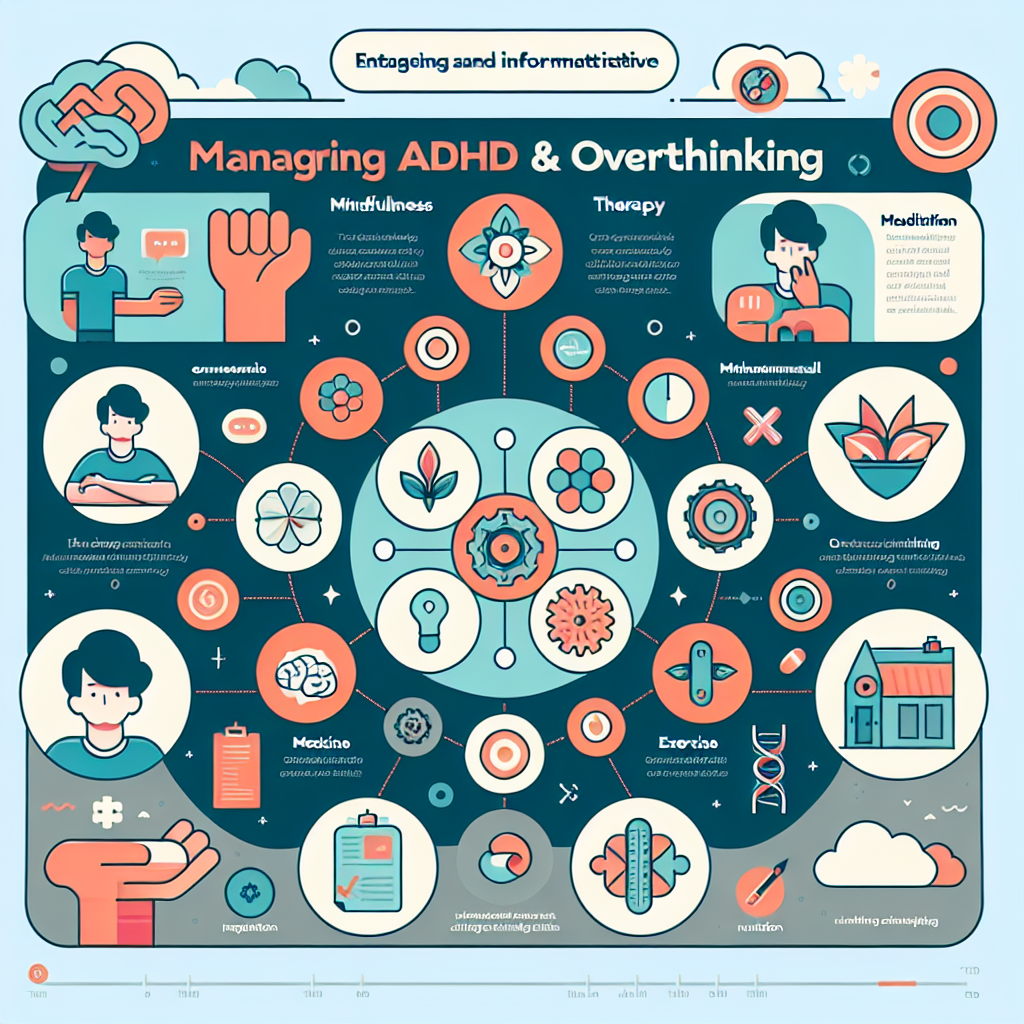
Coping Strategies for Managing ADHD and Overthinking
Managing ADHD and overthinking can feel like trying to juggle flaming torches while riding a unicycle on a tightrope. But fear not! With the right strategies, you can transform that chaotic circus act into a well-rehearsed performance. Here are some practical coping strategies to help you regain control:
Mindfulness Techniques for ADHD
Mindfulness is like a superhero cape for your brain, helping you combat the villain of overthinking. By practicing mindfulness, you can:
- Ground Yourself: Use techniques like deep breathing or body scans to bring your focus back to the present moment.
- Observe Your Thoughts: Instead of getting caught in the whirlwind of rumination, practice viewing your thoughts as clouds passing by.
- Create a Mindful Routine: Incorporate mindfulness into daily activities, such as eating or walking, to enhance awareness and reduce distractions.
Cognitive Behavioral Therapy (CBT) Approaches
Cognitive Behavioral Therapy is like a mental toolbox that helps you tackle those pesky ADHD symptoms and overthinking patterns. Here’s how it works:
- Identify Negative Thoughts: Keep a thought diary to track your ruminations and recognize patterns in your thinking.
- Challenge Your Thoughts: Ask yourself if those thoughts are factual or just exaggerated worries. This can help reduce anxiety associated with overanalyzing.
- Replace with Positive Affirmations: Swap negative thoughts with positive affirmations to build resilience against stressors.
Relaxation Techniques to Calm an Active Mind
If your brain feels like it’s running a marathon, relaxation techniques can be your pit stop. Consider these options:
- Meditation: Regular meditation practices can significantly improve focus and reduce ADHD anxiety by calming the mind.
- Progressive Muscle Relaxation (PMR): Tense and then relax each muscle group in your body to release physical tension.
- Aromatherapy: Scents like lavender or chamomile can soothe an overstimulated mind think of it as giving your brain a spa day!
Focus Techniques for Reducing Overthinking in ADHD
If you’ve ever found yourself spiraling into the depths of your own thoughts, you’re not alone. The ADHD brain can sometimes feel like a hamster on a wheel, racing through a maze of overanalyzing and rumination. But fear not! There are practical focus techniques that can help you break free from this cycle of overthinking and regain control.
Time Management Strategies for Those with ADHD
Time management can be a game-changer when it comes to managing ADHD and overthinking. Here are some strategies to keep your thoughts in check:
- The Pomodoro Technique: Work for 25 minutes, then take a 5-minute break. This structure helps maintain focus while preventing burnout.
- Prioritize Tasks: Use the Eisenhower Box to distinguish between urgent and important tasks, reducing overwhelm.
- Set Timers: Use timers to create urgency and reduce the tendency to ruminate on tasks or decisions.
Productivity Tips Tailored for Adults with ADHD
Let’s be real staying productive when you have ADHD can feel like trying to herd cats. Here are some tailored tips:
- Break Tasks into Bite-Sized Pieces: Large projects can lead to excessive thinking. Break them down into smaller, manageable tasks that feel less daunting.
- Use Visual Aids: Color-coded calendars or sticky notes can help visualize priorities and keep your mind focused on what matters most.
- Limit Distractions: Create a dedicated workspace free from distractions like social media or TV, which can trigger overthinking.
Behavioral Therapy Options for Reducing Overthinking
Cognitive Behavioral Therapy (CBT) is particularly effective for those managing ADHD and overthinking. Here’s how it can help:
- Identify Thought Patterns: Work with a therapist to recognize cognitive patterns that lead to overanalyzing situations.
- Challenge Negative Thoughts: Learn techniques to challenge irrational thoughts that fuel anxiety and rumination.
- Practice Mindfulness Techniques: Incorporate mindfulness practices into your routine to help calm an active mind affected by both ADHD symptoms and chronic worrying habits.

The journey towards managing ADHD symptoms and reducing overthinking is not just about finding quick fixes; it’s about building sustainable habits that empower you. So grab that hamster wheel, give it a spin in the right direction, and start focusing on what truly matters!
Lifestyle Changes to Support Mental Health and Manage Overthinking
When it comes to ADHD and overthinking, lifestyle changes can be your secret weapon. Think of it as upgrading your mental operating system. Here are some powerful shifts you can make:
-
The Role of Exercise in Managing ADHD Symptoms and Overthinking
Regular physical activity is like a magic potion for your ADHD brain. It boosts dopamine levels, which helps with focus and reduces symptoms of ADHD. Plus, exercise is a fantastic way to clear that crowded mental space:
- Try aerobic exercises like running or cycling.
- Incorporate mindfulness activities such as yoga or tai chi.
- Set realistic goals even a brisk walk counts!
-
Nutritional Considerations for Cognitive Function and Emotional Regulation
Your brain is a high-maintenance diva that thrives on good nutrition. What you eat can significantly impact your ADHD symptoms and overthinking tendencies:
- Focus on omega-3 fatty acids found in fish, walnuts, and flaxseeds.
- Limit sugar and processed foods; they can lead to spikes in anxiety.
- Consider consulting a nutritionist for tailored advice.
-
The Importance of Sleep in Reducing Mental Fatigue from Overthinking
If you’re not getting enough sleep, your brain will feel like it’s running on dial-up internet. Quality rest is crucial for managing both ADHD symptoms and overthinking:
- Aim for 7-9 hours of sleep per night.
- Create a calming bedtime routine to signal your body it’s time to wind down.
- Limit screen time before bed your brain needs some offline time!
Takeaway: By integrating these lifestyle changes into your daily routine, you can significantly improve your ability to manage ADHD symptoms and reduce the tendency to overthink. Remember, it’s all about creating an environment where your mind feels at ease!
If you’re feeling overwhelmed by the complexities of managing both ADHD and overthinking, don’t hesitate to reach out for professional support. Therapy can provide valuable tools tailored specifically for you!
The Role of Medication in Managing ADHD Symptoms and Overthinking
When it comes to tackling ADHD and overthinking, medication often plays a pivotal role, acting like a trusty sidekick in the battle against chaotic thoughts and concentration issues. But what does that really mean for those of us wrangling with attention deficit hyperactivity disorder?
Overview of Medication Options for Adult ADD/ADHD
There are primarily two types of medications used to manage ADHD symptoms: stimulants and non-stimulants. Stimulants, such as Adderall and Ritalin, are the rock stars of ADHD treatment, often providing quick relief from symptoms like impulsivity and distractibility. Non-stimulant options like Strattera can also be effective but may take longer to show results.
How Medication Can Help with Anxiety and Overanalyzing Thoughts
Many adults with ADHD experience comorbid conditions like ADHD anxiety or an overthinking disorder that leads to relentless rumination. Here’s where medication shines! By balancing brain chemistry, these meds can help reduce the mental fog that fuels excessive thinking.
- Stimulants: Help improve focus and reduce impulsivity.
- Non-stimulants: Offer a steadier approach without the highs and lows.
- Anxiolytics: Sometimes prescribed to tackle anxiety that spirals from overthinking.
Key Takeaway: Medication can be a game-changer for managing both ADHD symptoms and the pesky habit of overanalyzing every little thing!
Consulting with Healthcare Providers About Treatment Options
The journey towards finding the right medication is not a solo adventure. It’s crucial to have open conversations with healthcare providers who understand both ADHD and its relationship with overthinking. They can help tailor a treatment plan that suits your unique needs, ensuring you don’t just survive but thrive.

Coping with overthinking in ADHD isn’t merely about popping pills; it’s about creating a comprehensive strategy that might include therapy, lifestyle changes, or mindfulness techniques alongside medication. Think of it as assembling your own superhero team against mental fatigue!
Conclusion
In wrapping up our exploration of ADHD and overthinking, it’s clear that this dynamic duo can create a whirlwind of confusion, anxiety, and frustration. But fear not! By understanding the cognitive patterns associated with ADHD, you can learn to manage the overthinking disorder that often tags along for the ride.
Remember, ADHD symptoms don’t have to dictate your life. With strategies like mindfulness for ADHD and cognitive behavioral therapy (CBT), you can break free from those pesky thought loops that lead to ADHD anxiety and stress management issues. It’s about taking control of your ADHD brain function and directing it toward productive avenues rather than spiraling into overanalyzing.
Key Takeaways:
- Implement focus techniques tailored for ADHD to minimize distractions.
- Incorporate lifestyle changes like exercise and proper nutrition to support mental health.
- Consult healthcare providers regarding medication options that can help with managing ADHD symptoms and overthinking.
As you navigate the complexities of adult ADD and excessive thinking patterns, remember that you’re not alone in this journey. Many adults face similar challenges, and finding effective coping mechanisms is key. Whether through therapy for ADHD and overthinking or simply adopting new productivity tips, every small step counts towards greater emotional regulation in ADHD.
If you’re ready to take the plunge into managing your ADHD and overthinking, consider reaching out for professional support. A therapist can provide personalized strategies tailored to your unique experiences, helping you conquer those concentration issues in ADHD once and for all!