

Calming the Storm: Managing Anxiety When You Have ADHD
Introduction
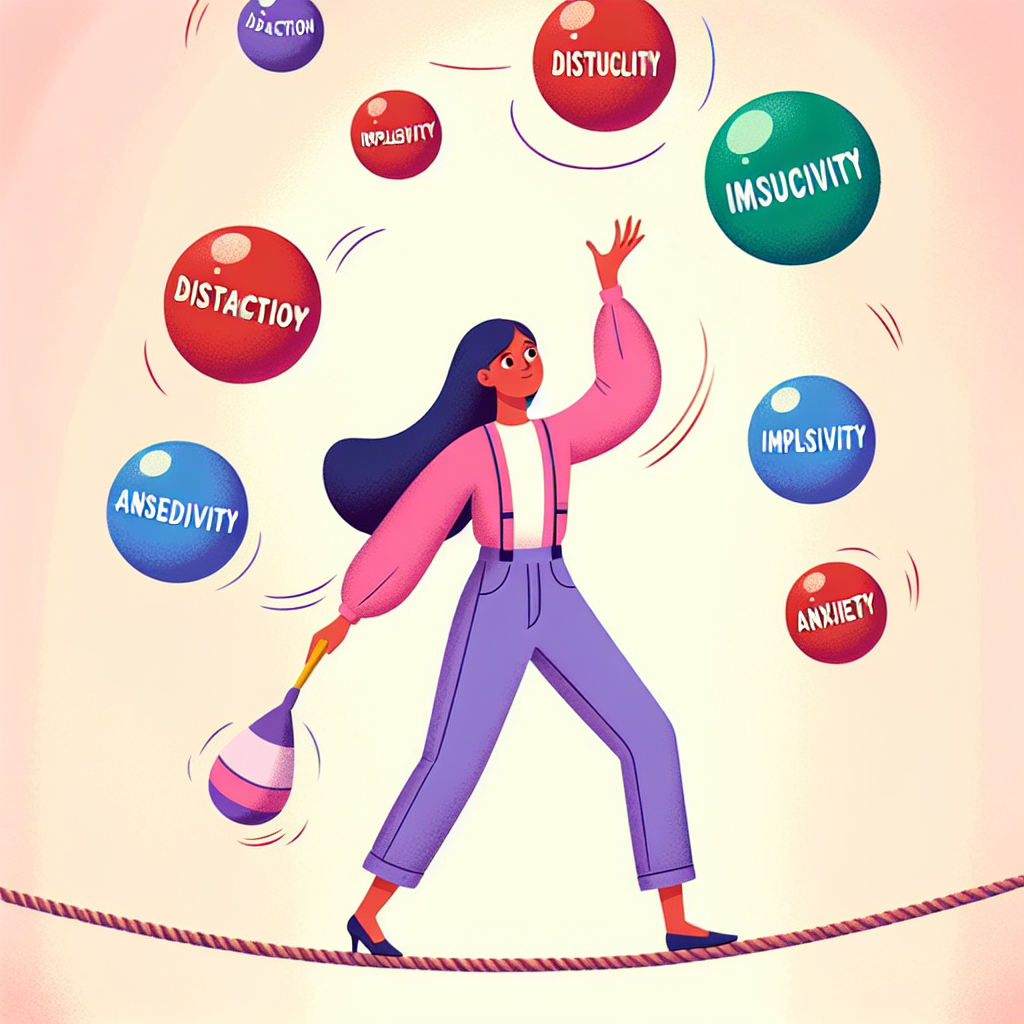
Welcome aboard the rollercoaster ride of life with ADHD! If you’re reading this, chances are you’ve experienced the whirlwind of thoughts, feelings, and challenges that come with managing ADHD and anxiety. It’s like trying to juggle flaming torches while riding a unicycle on a tightrope exciting but a bit dangerous!
In fact, studies show that approximately 50% of individuals with ADHD also experience anxiety disorders. That’s right half! So, if you’re feeling overwhelmed or anxious, you’re definitely not alone. The good news? There are plenty of ADHD and anxiety management strategies out there that can help calm the storm.
From medication to mindfulness practices, we’ll explore various ADHD treatment options and anxiety relief strategies tailored specifically for adults navigating this unique combination. Whether it’s through therapy for ADHD and anxiety or simple lifestyle changes, there’s hope on the horizon!
Throughout this post, we’ll dive into practical tips like stress reduction techniques, diet and nutrition for ADHD and anxiety, and even some fun coping mechanisms to help you regain control. So grab your favorite snack (preferably something brain-boosting), settle in, and let’s embark on this journey together!
Understanding ADHD and Anxiety
ADHD and anxiety often form an unholy alliance, creating a whirlwind of emotions that can leave you feeling like you’re in a never-ending storm. Let’s break this down so we can find some calm amidst the chaos.
Overview of ADHD and Anxiety Symptoms
First off, what are the symptoms? Well, ADHD (Attention Deficit Hyperactivity Disorder) can manifest as:
- Inattention – drifting off during conversations or losing track of tasks.
- Hyperactivity – feeling like you have a motor inside you that just won’t turn off.
- Impulsivity – acting without thinking (hello, spontaneous karaoke nights!).
Anxiety, on the other hand, might show up as:
- Persistent worry about everyday situations.
- Physical symptoms like rapid heartbeat or sweating.
- A tendency to overthink even the smallest decisions.
The Connection Between ADHD and Anxiety
If you’re wondering why these two seem to go hand-in-hand, you’re not alone. Research suggests that individuals with ADHD are at a higher risk for developing anxiety disorders. It’s almost like they’re roommates in your brain one is always bouncing off the walls while the other is pacing nervously!
Statistically speaking: Approximately 30-50% of adults with ADHD also experience anxiety disorders. This overlap can exacerbate both conditions, making effective adhd and anxiety management crucial!
This connection can lead to a cycle where symptoms of one disorder worsen the other. For instance, someone with ADHD might struggle with organization and time management, leading to increased anxiety about deadlines or performance. Conversely, anxiety can amplify distractibility and impulsivity in someone with ADHD. It’s like pouring gasoline on a fire things can get heated quickly!
Common Misconceptions
A common misconception is that ADHD is just about being hyperactive or inattentive; however, it also involves emotional dysregulation which plays into anxiety levels. Another myth? That medication is the only way to manage these symptoms. Not true! There are plenty of natural remedies for anxiety and ADHD that can also help keep your mental health in check.
Practical Insights for Managing Anxiety with ADHD
So how do we navigate this stormy sea? Here are some practical strategies:
- Cognitive Behavioral Therapy (CBT): A fantastic tool for addressing both anxiety and ADHD symptoms through structured approaches.
- Meditation: Yes, it sounds cliché but mindfulness for ADHD actually helps improve focus while reducing anxiety levels!
- Lifestyle Changes: Incorporating exercise benefits for mental health and maintaining good sleep hygiene can significantly reduce both anxiety and ADHD symptoms.

ADHD Treatment Options
When it comes to ADHD and anxiety management, there’s no shortage of treatment options to explore. Think of it as a buffet where you can pick and choose what works best for your unique situation. Let’s dig into some of the most effective ADHD treatment options that can also help with anxiety.
Medication for ADHD and Anxiety
First up, we have medication. While popping pills might sound like a last resort, they can be a game changer for many. Stimulants like Adderall or Ritalin are commonly prescribed for ADHD, but they may also help alleviate anxiety symptoms in some individuals. On the flip side, non-stimulant medications like Strattera can be beneficial too, especially if stimulants make you feel more jittery than calm.
Cognitive Behavioral Therapy (CBT)
If medication isn’t your jam, consider diving into Cognitive Behavioral Therapy. CBT is like a mental workout that helps you reframe negative thoughts and develop coping strategies. This is particularly useful in managing both ADHD and anxiety since it targets the root of those spiraling thoughts that can keep you up at night.
Holistic Approaches to Mental Health Management
For those who prefer a more natural route, holistic approaches are gaining traction. Think yoga, acupuncture, and even aromatherapy! These methods focus on treating the whole person rather than just the symptoms. Incorporating mindfulness practices into your daily routine can significantly enhance emotional regulation in ADHD and anxiety.
Key Takeaway: A combination of medication, therapy, and holistic practices tailored to your needs can create a comprehensive plan for managing ADHD and anxiety effectively.
Lifestyle Changes for Managing ADHD
Don’t underestimate the power of lifestyle changes! Simple tweaks like improving sleep hygiene or adjusting your diet can have profound effects on both ADHD symptoms and anxiety levels. Eating a balanced diet rich in omega-3 fatty acids (think fish) has been shown to support brain health yes please!

Research indicates that combining medication with therapy leads to better outcomes in managing both ADHD and anxiety symptoms.
The key is to find what resonates with you personally after all, one person’s miracle cure might be another’s headache (literally). So take your time exploring these options; your journey towards calmness doesn’t have to be rushed!
Anxiety Relief Strategies for Adults with ADHD
When it comes to ADHD and anxiety management, finding effective strategies can feel like trying to catch smoke with your bare hands. But fear not! Here are some proven anxiety relief strategies that can help you regain control and calm the storm brewing in your mind.
Mindfulness for ADHD
Mindfulness isn’t just a buzzword; it’s a game-changer. By focusing on the present moment, you can train your brain to tune out distractions and reduce anxiety. Try setting aside just 5-10 minutes a day to practice mindfulness. Apps like Headspace or Calm can guide you through this journey.
Meditation Benefits for ADHD and Anxiety Sufferers
Meditation is like a mental gym workout. Regular practice can help sharpen your focus while also providing a soothing balm for anxiety. Studies show that even short bursts of meditation can lead to significant improvements in emotional regulation and stress reduction.
Relaxation Techniques for Anxiety Management
Think of relaxation techniques as your mental first-aid kit. Techniques such as progressive muscle relaxation or deep breathing exercises can ground you when anxiety spikes. For example, try inhaling deeply for four counts, holding for four, and exhaling slowly for six counts. It’s like giving your brain a hug!
Stress Reduction Techniques
Managing stress is crucial in the realm of ADHD treatment. Consider incorporating activities that bring joy whether it’s painting, gardening, or even binge-watching your favorite series (yes, we see you!). Keeping stress at bay helps mitigate those pesky ADHD and anxiety symptoms.

ADHD Coping Mechanisms and Lifestyle Changes
When it comes to ADHD and anxiety management, the right coping mechanisms and lifestyle changes can be game-changers. Think of them as your trusty toolbox, filled with handy tools to help you navigate the stormy seas of life with ADHD. Let’s dive into some practical strategies that can help smooth out those choppy waters.
Diet and Nutrition for ADHD and Anxiety
Your diet is like a superhero cape for your brain. Certain foods can boost your mood and focus, while others might just weigh you down. Here are some nutrition tips:
- Omega-3 Fatty Acids: Found in fish like salmon, these are brain boosters that may help with both ADHD symptoms and anxiety.
- Whole Grains: They provide a steady release of energy, which can help maintain focus throughout the day.
- Limit Sugar: Too much sugar can lead to mood swings not ideal when you’re trying to manage anxiety!
Exercise Benefits for Mental Health
Exercise is like nature’s stress relief pill no prescription needed! Regular physical activity releases endorphins, which are natural mood lifters. Here’s how to get moving:
- Create a Routine: Schedule workouts like appointments to ensure consistency.
- Find Activities You Enjoy: Whether it’s dancing, hiking, or yoga, make it fun!
- Start Small: Even a 10-minute walk can do wonders for your mental health.
Time Management Tips for ADHD Sufferers
If time management feels like herding cats, you’re not alone! Here are some strategies that can help you wrangle your schedule:
- The Pomodoro Technique: Work in bursts of 25 minutes followed by a 5-minute break. It keeps your mind fresh!
- Create Checklists: Write it down! Seeing tasks on paper helps keep them top of mind.
- Prioritize Tasks: Tackle high-priority tasks first this helps reduce anxiety about looming deadlines.
Sleep Hygiene for Anxiety Reduction
A good night’s sleep is crucial for managing both ADHD and anxiety symptoms. Here are some tips for improving sleep hygiene:
- Create a Relaxing Bedtime Routine: Wind down with calming activities like reading or gentle stretches.
- Avoid Screens Before Bed: The blue light from devices can mess with your sleep cycle give your eyes a break!
- Create a Comfortable Sleep Environment: Keep your bedroom dark, cool, and quiet for optimal sleep conditions.
Support Systems for Managing Anxiety with ADHD
When it comes to ADHD and anxiety management, having a solid support system can feel like having a superhero sidekick. Whether you’re navigating through the highs and lows of daily life or tackling those pesky anxiety symptoms, support is crucial. Here are some key avenues to explore:
-
Support Groups for ADHD and Anxiety Sufferers
Connecting with others who understand your struggles can be incredibly validating. Support groups provide a space to share experiences, strategies, and even the occasional laugh. Plus, knowing you’re not alone in this storm can be a huge relief!
-
Parenting Tips for Children with ADHD and Anxiety
If you’re a parent juggling your own ADHD and anxiety while raising kids with similar challenges, you deserve a medal! Look for parenting workshops or online communities that focus on effective strategies to support children while also taking care of your mental health.
-
Workplace Accommodations for Adults with ADHD and Anxiety
Your job should be a source of empowerment, not stress! Many workplaces offer accommodations such as flexible hours or quiet spaces to help manage ADHD and anxiety symptoms. Don’t hesitate to discuss your needs with HR they might surprise you!
Did You Know? According to the National Institute of Mental Health, nearly 30% of adults with ADHD also experience anxiety disorders. This means that finding effective support systems is not just beneficial it’s essential!
Incorporating these support systems into your life can significantly enhance your ability to manage anxiety alongside ADHD. Remember, it’s all about building that community around you because sometimes, we all need a little help weathering the storm!
Self-Care Practices to Manage Stress and Anxiety in Individuals with ADHD
When it comes to ADHD and anxiety management, self-care is not just a buzzword; it’s a lifeline. Think of it as your personal toolkit, packed with strategies that help you navigate the choppy waters of stress and anxiety. Here are some practical self-care practices designed specifically for individuals with ADHD.
Emotional Regulation Techniques
Emotional regulation can feel like trying to tame a wild beast, but fear not! Here are some techniques that can help:
- Journaling: Writing down your thoughts can provide clarity and help you process emotions. Plus, it’s a great way to vent without worrying about judgment!
- Deep Breathing: Simple yet effective, deep breathing exercises can calm your nervous system. Try inhaling for four counts, holding for four, and exhaling for six.
- Visualizations: Picture yourself in a serene place a beach, a mountain top, or even your cozy couch. This mental escape can be incredibly grounding.
Focus Improvement Strategies
If focus feels like chasing butterflies in a field of daisies, you’re not alone! Here are some strategies to help you zero in on tasks:
- The Pomodoro Technique: Work in short bursts (25 minutes) followed by a 5-minute break. It’s like sprinting toward your goals instead of running a marathon!
- Create a Distraction-Free Zone: Designate an area that’s free from distractions no phones, no TV just you and your work.
- Use Visual Aids: Color-coded calendars or sticky notes can serve as visual reminders to keep you on track.
Naturally Managing Symptoms Through Self-Care Practices
Your body is your temple so why not treat it like one? Here are some natural remedies that might just do the trick:
- Adequate Sleep: Prioritize sleep hygiene by establishing a calming bedtime routine. Remember: sleep is the unsung hero of mental health!
- Nourishing Diet: Foods rich in omega-3 fatty acids (like salmon) and antioxidants (hello blueberries!) can support brain health and reduce anxiety.
- Regular Exercise: Get moving! Whether it’s yoga or dancing like nobody’s watching, exercise releases those feel-good endorphins that combat stress.
Conclusion
- Recap of key points on managing anxiety with ADHD
- Encouragement to seek therapy for ADHD and anxiety