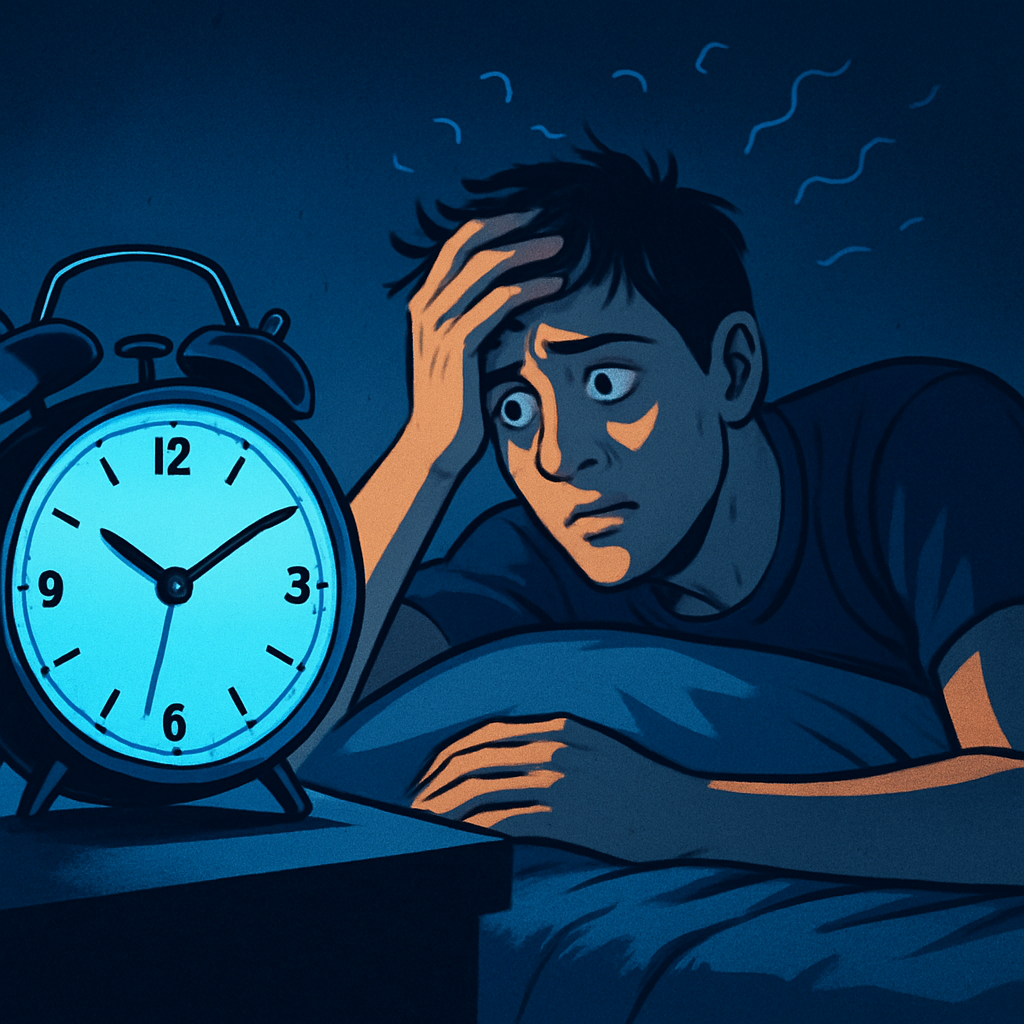
Why Adults with ADHD Struggle to Keep Friends — and How to Change That
ADHD reshapes how adults form and keep friendships, and many experience missed messages, delayed responses, or social burnout. This post explains how adhd and friendships adults are shaped by attention, impulsivity, and time management, and offers concrete, ADHD-friendly strategies you can apply today, including structured check-ins, shared calendars, and simple scripts. You'll gain practical steps, templates, and an honest look at therapy options to support social growth without shame.
Understanding how ADHD shapes adult friendships
ADHD reshapes friendships through three levers most recognize: attention regulation, impulsivity, and time management. In adult interactions, these traits do not disappear; they shift how you notice cues, respond in conversations, and follow through on plans. Left unchecked, small frictions compound: you miss a message, your reply lands late, and a plan dissolves into vague intentions. Recognizing that these patterns stem from neurobiology—not laziness—lets you design strategies that fit how you actually function.
- Attention regulation and focus gaps affect when you notice messages or remember plans
- Impulsivity in conversations can derail timing or tone in group chats
- Time management and follow-through influence reliability and shared calendars
These patterns show up in everyday friendships. You might interrupt with a rapid comment in a group chat, then forget to circle back with a follow-up, leaving peers guessing your interest level. You may agree to a plan, log it mentally, and later realize there is no reminder, so the meetup slides into the next week. You may misread a tone in a message or overthink a casual compliment, which cools off a budding connection before it air-grows. All of these friction points feel like unreliability, though the root cause is inconsistent attention and memory demands rather than lack of care.
Research shows adults with ADHD often struggle with social functioning and maintaining friendships. Rejection sensitivity dysphoria can magnify fear of negative evaluation, prompting withdrawal or avoidance of social risk. On the practical side, structured communication, predictable routines, and mindfulness approaches help. Cognitive behavioral therapy (CBT) and acceptance-based therapies (ACT) have demonstrated benefits for social interactions, while ADHD coaching and group therapy provide opportunities to practice skills in a supportive setting. For more background, see the NIMH resource on adult ADHD NIMH resource and the article Understanding the Link Between Rejection Sensitivity Dysphoria and ADHD.
Concrete example: Maria and Jordan plan a Sunday brunch. Maria has ADHD and tends to forget reminders; she notices the plan the night before but does not set a calendar alert. On Sunday morning she wakes late and arrives after the start time, which strains the vibe. To fix it, they agree to a shared calendar invite and a backup plan if one of them runs late. Maria sets a calendar alert and a second reminder an hour before the meetup; Jordan also adds a quick check-in message the day before, which reduces ambiguity and rebuilds trust.
One key trade-off is between spontaneity and reliability. Spontaneous plans carry energy and novelty but risk missed commitments; calendaring and fixed routines feel rigid but actually build trust and predictability. The real-world compromise is to preserve moments of spontaneity within a framework: pre-schedule a recurring social slot but allow a monthly experiment with a flexible add-on activity that you confirm a day ahead.
Takeaway: map your social patterns and start with one ADHD-friendly adjustment you can implement this week.
Audit your social patterns and triggers
A two-week audit of your social patterns is non negotiable for adults with ADHD who want to sustain friendships. You cannot optimize what you do not measure, and ADHD thrives when you operate on clear data rather than memory. Use the window to map three things: who you reach out to, how quickly you respond, and how your energy shifts around social events. Track not just outcomes but the conditions that precede them—time of day, fatigue level, and recent stress. By combining behavior with context, you turn reactive cycles into a visible pattern you can disrupt with targeted tweaks.
What to track during the audit
Define your tracking scope with a simple template that you can reuse. The goal is to keep fields small and actionable so you actually fill it in, not create data detours. Use the template to translate memory into measurable signals you can act on.
- Who you contacted and what happened: Record date, person, method (text, call, in person), and whether you received a reply within 24 hours.
- Response latency: Note the time between your outreach and the other person’s response, and whether delays altered plans you made together.
- Energy and attention before/after: Rate your energy on a 1–5 scale before the interaction and again after, plus any cognitive load you felt.
- Context or triggers: Flag what changed that day—schedule disruption, fatigue, late-night activity, or the type of social invite.
Concrete example: Over two weeks, Alex tracks after-work invites and responses. He records who invited him, how quickly he replies, and his energy level after each exchange. The data show evenings after 7 pm drain him and slow replies; he responds with shorter messages and pre-planned check-ins on weekend mornings, aided by calendar blocks.
Be mindful of the limitation: a two-week window captures typical cycles but can miss weekend bursts, travel spikes, or mood shifts tied to broader life events. To avoid overfitting your plan, revisit the data after a full month and adjust the tracking fields if you notice new patterns.
Next step: translate the audit findings into an ADHD-friendly workflow—a ready-to-use message template, calendar reminders, and a plan to progressively broaden your social energy budget.
Communicate with clarity and consistency
ADHD makes timing and tone volatile in conversations. The antidote isn't more charm; it's structured, predictable communication that travels across impulsivity and forgetfulness. When you set clear expectations and confirm them, you reduce the chance your message will be misread or lost in the noise.
Templates that work in real life
These ADHD-friendly templates give you guardrails without wrecking your natural voice. Use them as starting points and tailor them to your routines and friends.
- Initiating plans: Hey [Name], I enjoyed today. Are you free [date/time] for [activity]? If that time doesn’t work, what about [alternative]?
- Following up: Hi [Name], just checking in on our plan for [date]. No rush—let me know what works.
- Repairing misunderstandings: If I came off [tone], I didn’t mean that. My intent is [intent], thanks for sticking with me.
After you send a script, give your friend a reasonable window to respond. If you don’t hear back, send a brief, one-liner that reopens the loop and confirms boundaries—for example, No pressure, just circle back when you can.
Two trade-offs show up fast. First, scripts can feel stiff if you overuse them; soften with warmth and a pinch of genuine curiosity about the other person. Second, there’s a energy cost to maintaining routine communication; you’ll need to protect a small amount of cognitive room in your week for check-ins.
A practical limitation: your results hinge on the other person’s responsiveness. If a friend is busy or overwhelmed, a rigid script won’t fix their availability. The win is consistency—lowering the threshold for a reply by making your message clear and easy to respond to. For a deeper look at how rejection sensitivity affects friendships and what to do about it, see Understanding the Link Between Rejection Sensitivity Dysphoria and ADHD.
Takeaway: pick one scripted touchpoint each week to implement, then expand once you see it fit naturally into your social rhythm.
Design social routines that respect ADHD
Designing social routines around ADHD means choosing predictability over chaos. For adults with ADHD, structured planning reduces the cognitive load of remembering plans, interpreting cues, and following up. It makes social life scalable alongside work, dating, and family responsibilities. The aim isn't rigidity; it's aligning your social energy with when you tend to perform best, and building clear expectations so plans actually happen. When plans are written and spaced, you cut misreads, last‑minute cancellations, and the drip of constant rescheduling that wears people down. That approach also provides psychological safety, especially for rejection‑sensitive tendencies, because friends experience reliable patterns rather than sporadic bursts.
- Shared planning calendar with automatic reminders and buffer slots to absorb delays and reduce plan drift, plus a standing weekly review to catch gaps.
- One primary tool for planning used consistently—pick Google Calendar, Todoist, or Cozi—and develop a simple onboarding ritual for inviting, confirming, and recording changes.
- Energy budgeting: schedule social events during higher‑energy windows and leave built‑in recovery days, so you avoid burnout and maintain consistency.
- Boundaries and expectations: discuss turnaround times, what counts as a plan, and how to handle last‑minute changes without creating guilt or resentment.
- Fail-safes for missed follow-ups: set up a brief, automated follow‑up message after a missed plan, or a quick check‑in template you can customize in under 30 seconds.
Structured routines are a practical tool, not a straightjacket. The trade‑off is reduced spontaneity and potential rigidity, which can feel stifling if you’re invited to unplanned hangouts. Counter this by reserving one flexible slot per week for spontaneity and by communicating that window to your friends. Also, negotiate with energy budgets so that the routine feels like a support, not a constraint.
Concrete example: Jamie uses a shared calendar with two close friends. They schedule a weekly brunch on Saturdays at 11:00 a.m., with a 15‑minute buffer. Jamie sets reminders 48 hours and 2 hours before. When a plan shifts, Jamie sends a brief, 3‑word template message and proposes a new time within 24 hours. Over two months, they stopped repeatedly double‑booking and Jamie reported less stress about keeping up with friends.
To keep it lightweight, choose one core planning tool and pair it with a single reminder system. Avoid layering multiple apps that duplicate notifications; the goal is clarity, not complexity.
Takeaway: implement one shared routine this week, test it for two weeks, and adjust based on what actually reduces missed plans without draining energy.
Practical exercises you can start today
Small, repeatable routines beat heroic, one-off efforts for ADHD social management. You can start today with three ADHD-friendly exercises that fit a busy day: two-minute reflections after social events, ready-to-send message templates, and a 30-day habit sprint.
- Two-minute reflection: After every social event, pause for two minutes to note what went well and one adjustment for next time. This targets memory gaps and reduces the drift between intention and follow-through.
- Templates for common scenarios: Create 3 concise messages for checking in, rescheduling, and giving a compliment. Use your natural voice but keep them short, specific, and easy to customize.
- 30-day habit sprint: Each week, adopt one observable social habit (initiate plans within 24 hours of meeting someone, maintain a simple weekly check-in, plan a low-pressure activity) and log progress in a calendar or checklist.
Example: Maria attends a team social and notices her follow-up lag. She spends two minutes capturing what clicked and what she would do differently, then sends a quick follow-up using a template the next day. Within two weeks, several friends reply more reliably, and she starts planning a small weekly meetup with a couple of colleagues.
A practical limitation to watch for is energy and time. These tiny steps feel effortless on paper, but they require consistency—you’ll falter during busy weeks. Mitigate by attaching the exercises to existing anchors (after work, during lunch, or right after a call) and using reminders that feel like normal parts of your day.
Integrate these exercises with professional support when helpful. Cognitive-behavioral strategies and acceptance-based approaches can sharpen social scripts and reduce overthinking, while ADHD coaching or group therapy offers live, low-stakes practice. If you want a guided path, consider starting with an intake at Therapy for Adulting to align skills with your social goals.
Takeaway: pick one exercise to start this week and commit to a two-week run to gauge impact on your connections.
Therapy and support options that fit your life
For adults with ADHD, the bottleneck isn't desire—it's finding supports that fit a busy life and actually move the needle on friendships. The most effective path combines clinical skills (CBT or ACT) with practical coaching or group practice, delivered by an ADHD-informed clinician. In practice, you tailor therapy to your social patterns, not your ideal self.
What therapy options address social skills and executive function?
Three core formats tend to deliver the most value for friendships in ADHD:
- Individual therapy (CBT or ACT) targeted at social cognition, emotion regulation, and planning.
- ADHD coaching for concrete habits, reminders, and accountability in real life.
- Group therapy or peer-led groups to practice conversations, follow-ups, and boundary setting in a safe, structured setting.
Some people also find mindfulness-based practices useful to slow impulsive responses before replying or making plans. These formats are not mutually exclusive; many clients blend elements to suit their daily rhythms.
Concrete example: Priya, a 32-year-old project manager, repeatedly delayed replies and felt a spike of rejection anxiety after social misreads. She joined a two-track program combining CBT for cognitive patterns with ADHD coaching for routine-building. Within eight weeks she started replying within 24 hours more consistently and re-initiated monthly meetups with a friend group.
Trade-offs matter. Coaching delivers quick behavioral changes and practical hacks, but it often lacks the deeper emotional work that therapy provides. Therapy, while more time-intensive, helps rewrite unhelpful thought patterns that trigger avoidance or misreads. Not every provider who claims ADHD expertise actually offers actionable social skills work—verify their track record with real-life outcomes.
What Therapy for Adulting looks like
Intake with licensed clinicians who specialize in ADHD, adulting and dating sets the foundation. You’ll co-create a social health plan with concrete goals, homework, and accountability. For context on a related factor, see Understanding the Link Between Rejection Sensitivity Dysphoria and ADHD. External evidence also supports the value of CBT, ACT and mindfulness in improving social functioning for adults with ADHD NIMH ADHD in adults.
Expect a mix of direct skills work and real-life practice. Many practitioners offer telehealth options to fit workdays, commutes, and parenting schedules, which is essential when your energy fluctuates.
- Ask about ADHD-informed approaches (CBT, ACT) and whether coaching or group formats are available within a single practice.
- Set concrete social goals (for example, respond within 24 hours, schedule one weekly check-in) and request homework that reinforces in-session skills.
- Clarify logistics: session length, frequency, cost, insurance, and whether telehealth or in-person options suit your energy patterns.
Takeaway: Start with one ADHD-informed option, set a two-week trial, and use the first two weeks to establish a concrete social habit and feedback loop you can build on.
From here to sustained friendships
Sustaining friendships as an adult with ADHD hinges on predictability and energy management. You won't fix every misread cue overnight, but you can build a maintenance system that lowers friction for regular contact—even in busy seasons.
Maria's path to steadier connections
Maria, 32, noticed weeks when plans slipped and she felt left out. She added a 15-minute weekly check-in on her calendar with her close friend, using a simple template: confirm the plan, share one small update, pick a low-friction activity. Within two months, their cadence stabilized, and her friend reported feeling more seen and dependable. The ritual didn’t erase friction entirely, but it made consistency the default rather than the exception, which changed how the friendship felt on both sides.
Kevin's journey and the energy budget
Kevin, 41, found himself exhausted after social events and would often forget to reply the next day. He tested an energy budget: two short chats per week, one longer call per month, and a built-in pause if overwhelmed. He also used a quick post-event reflection cue to decide what to follow up on. After three months, his circle stayed accessible, and he felt more in control of his energy—and less anxious about letting people down.
Long-term planning means building a small, repeatable system rather than chasing dramatic shifts. Start with a weekly check-in, a monthly deeper connection, and a quarterly review to reassess who deserves more effort. The trade-off is energy and time: you may skip spontaneous invites, but you gain reliability and less anxiety around plans. Practical setup: schedule one recurring touchpoint each week, set a 30- to 60-day window to test a new social habit, and keep a one-sentence note after each interaction about what worked and what didn’t to fuel the next iteration.
Takeaway: start with a 90-day maintenance plan—one recurring check-in per week, one new connection per month, and a simple metric for progress. If you want structured support, consider an intake at Therapy for Adulting to tailor this approach to your life Therapy for Adulting intake.