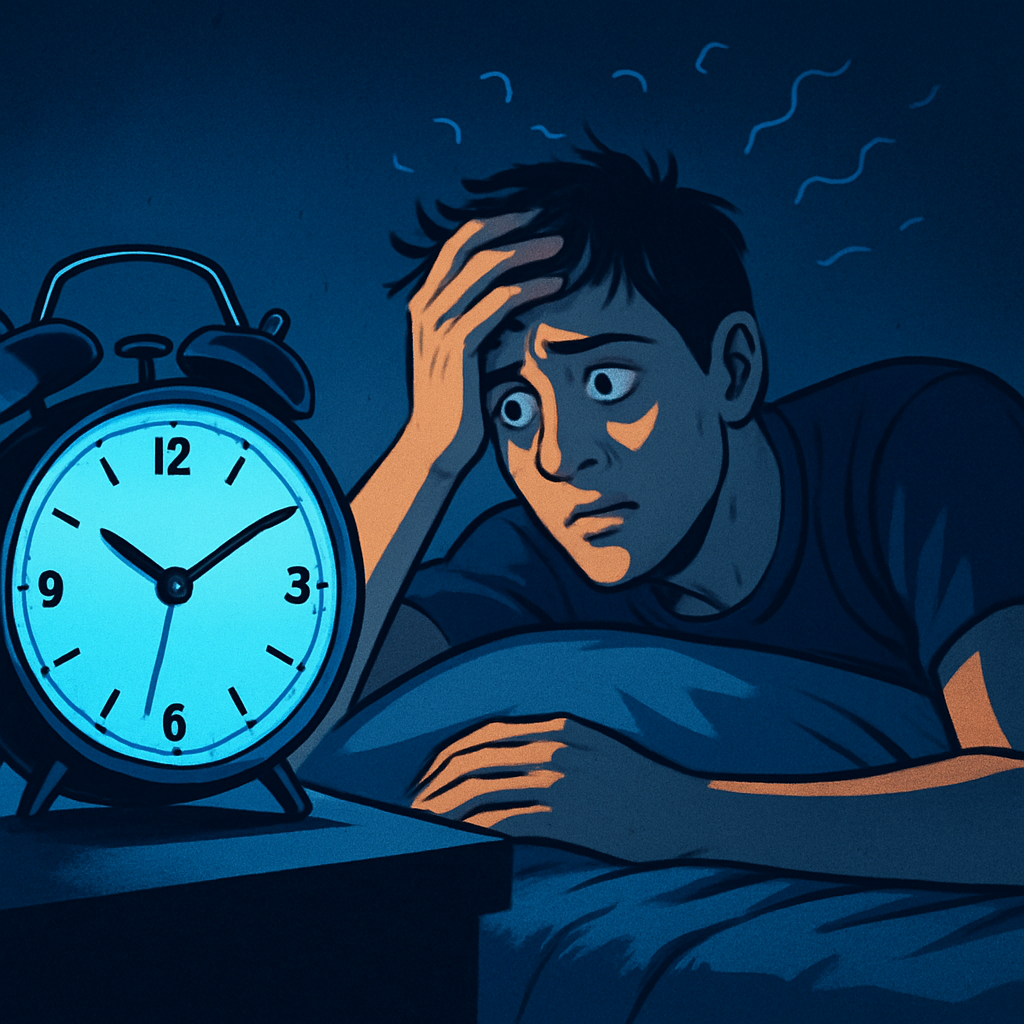
How One Adult with ADHD Rebuilt Her Career After Burnout — A Therapist’s Perspective
For many professionals, adhd and career burnout collide in the modern workplace, leaving them with emotional exhaustion and a drag on momentum. In this therapist's perspective, we follow one adult with ADHD as she navigates burnout, receives evidence-based guidance, and rebuilds her career with concrete, workplace-ready strategies. Expect a phased recovery that covers reassessing strengths, implementing time-blocked routines, navigating accommodations conversations, and practical steps you can translate to your own career journey.
1) The Client Story in Context
In this client story, burnout isn’t a moral failing; it’s the outcome of years of ADHD-related cognitive load meeting sustained workplace demands. The client was a mid-career professional in a fast-moving industry who wrestled with time estimation, task switching, and maintaining focus on long projects.
Over that decade, those ADHD traits amplified pressure, culminating in emotional exhaustion and slipping job satisfaction. This aligns with evidence that ADHD persists into adulthood and shapes executive function, increasing vulnerability to burnout when work demands outstrip coping capacity. See resources on ADHD in adults for context: ADHD in adults resources and NIH ADHD overview.
Concrete Example: During a typical week, she pushed to finish a sprint on Friday, then collapsed into fatigue over the weekend. Meetings felt like energy taxes; emails piled up; and the fear of missing a deadline fueled perfectionism and avoidance. This pattern underscored how brief recovery windows failed to reset application of attention and planning resources.
Initial assessment framework
I began with a structured intake that maps three overlapping domains: work demands and organizational stressors, ADHD-related executive function challenges, and existing supports and coping skills. Framing the assessment this way helps separate burnout signals from core ADHD patterns and sets actionable next steps.
- Pattern recognition: identifying when focus collapses and why (time of day, task type, cognitive load).
- Environment fit: whether the work setting amplifies symptoms (interruptions, noise) or mitigates them with structure and predictable routines.
- Support plan: clinician-guided structure plus workplace accommodations and a small social support network.
A practical trade-off I acknowledge early is the risk of misattributing normal work stress to a disorder. The collaborative consent process ensures we don’t pathologize and that the plan remains anchored in the client’s actual workplace context.
Note on scope: while the case illustrates common patterns, ADHD in adults and burnout are heterogeneous; treatment must tailor pace, goals, and accommodations to the individual.
Takeaway: Begin with a joint map of the client’s work demands and cognitive load, then translate that map into testable changes—small wins that you can verify within 4–6 weeks and adjust based on real-world results.
2) Diagnostic and Conceptual Framing
Diagnostic framing starts where burnout and ADHD overlap, but the two demand different responses. We establish a collaborative, consent-based plan to separate symptoms into two anchors: ADHD-related executive function patterns and burnout-related emotional exhaustion and work stress. Framing around adhd and career burnout helps avoid misattributing persistent fatigue to a core diagnosis and keeps therapy focused on concrete work outcomes rather than labels.
Practical differentiation relies on function over labels. In the intake, we combine a structured clinical interview with brief scales that capture both domains: ADHD symptoms such as inattention, distractibility, and time management, and burnout indicators like fatigue, cynicism, and reduced efficacy. Then we map each observation to targeted interventions: ADHD-focused strategies for attention and planning, and burnout-focused strategies for recovery and stress tolerance. The trade-off is that this framing requires extra assessment time up front, which may slow early progress but reduces relapse risk and ensures the right interventions dominate.
Concrete example: In the client case, she described racing thoughts and scattered focus, yet her energy dipped sharply in the early afternoon and sleep quality deteriorated over several weeks. The two-axis framing showed that ADHD traits were present but secondary to a sustained emotional drain, so we began with energy management (regular sleep window, brief strategic breaks) while continuing ADHD coaching for task initiation and prioritization. After a few weeks, routines stabilized enough to tolerate job-search activities without triggering a relapse.
- Consent and collaboration: The client and therapist agree on a two-axis framing and review it weekly to ensure alignment with lived work demands. This ongoing check prevents drift into casual labeling and keeps progress anchored in real tasks.
- Differentiate symptom clusters: Track ADHD patterns separately from burnout signals, using distinct journaling or dashboards to avoid cross-contamination of labels. This separation helps assign responsibilities for each problem and avoids conflating energy dips with cognitive lapses.
- Use objective data: Sleep logs, workload metrics, mood ratings, and energy curves guide pacing and intervention intensity. Objective data helps move beyond subjective impressions that often blur the boundary between ADHD and burnout.
- Phased plan: Start with recovery-focused strategies; layer in executive function supports as energy and focus permit. This sequencing respects cognitive bandwidth and reduces early withdrawal from the process.
- Translate framing into action: Define progress by energy stability, task initiation reliability, and tangible career steps (applications, interviews, accommodations). Clarity here makes it easier to track weekly change and adjust course.
Next, translate the framing into a concrete, staged plan that pairs energy management with ADHD coaching in the workplace and in daily routines.
3) Therapeutic Approach and Rationale
Therapeutic work here rests on a staged, multimodal framework that respects how ADHD traits shape burnout. Rather than a single technique, we deploy a coordinated blend—CBT adaptations for adult ADHD, behavioral activation, mindfulness, and ADHD coaching principles—to anchor skills in daily work routines. The goal is durable patterns that align with ADHD strengths and real-world workplace demands.
Evidence-based approaches in practice
Four pillars anchor the work with this client:
- CBT adaptations for adult ADHD: external structure, time-limited exercises, and micro-steps that reduce initiation barriers; see ADHD and CBT resources.
- Behavioral activation: scheduled, rewarding activities that counteract avoidance and rebuild momentum after emotional exhaustion.
- Mindfulness strategies: brief, frequent practices to lower cognitive load and improve emotion regulation during high-stress periods.
- ADHD coaching elements: structured planning, prioritization, and accountability mechanisms that help translate therapy insights into workable work habits.
Concrete Example: The client struggled to start complex proposals. We used a two-minute rule to initiate tasks and a visual task board that breaks each project into micro-steps. Within three weeks she completed a client deliverable and reported noticeably less emotional exhaustion and a clearer sense of forward momentum.
Two realities show up in practice: CBT-based adaptations require consistent practice, which ADHD can disrupt. Progress is gradual, not dramatic, and many clients benefit from layering pharmacological treatment or clearer workplace accommodations on top of therapy. The plan must stay flexible as job demands rise and fall.
Next consideration: maintain ongoing collaboration with the client and their workplace, with regular reviews to adapt goals and accommodations as workload and ADHD symptoms evolve.
4) Rebuilding with Strengths
Rebuilding with strengths begins with a clear map: ADHD traits become the lever, not the bottleneck, for career progress. In practice, the client stopped chasing broad competence and started stacking focused, high-impact tasks that align with her core abilities. The therapist frames this as a four-pillar approach designed to produce sustainable momentum rather than heroic bursts of productivity.
Framework: Strengths-Driven Rebuilding
Pillar 1: Strengths inventory starts by naming concrete abilities that show up reliably under pressure. The client traced times when her pattern recognition cut through ambiguity, when she designed simple, repeatable processes, and when she maintained velocity during short, focused blocks. This inventory then becomes the compass for resume language, interview storytelling, and day-to-day task design.
Pillar 2: Goal recalibration shifts away from grand, long-horizon ambitions toward 3– to 6-month milestones that fit ADHD rhythms. She set a target that felt tangible (finish a defined project, land a role with a clear scope) and built review points with her therapist and supervisor. The tradeoff is speed versus scale; the plan moves faster but with smaller, demonstrable wins.
Pillar 3: Routine design creates a workday that buffers focus challenges. Time blocking together with task batching reduces transition cost, while external accountability keeps momentum alive. The client used a visual board, a daily 15-minute plan, and external reminders to keep deep work on track. This is where environmental tweaks matter most.
Pillar 4: Targeted exposure and role fit focuses on roles that reward iterative work and clear feedback loops. Instead of applying to broad generic roles, she targeted mid-size teams that operate in well-defined sprints and are open to flexible scheduling. Her first move was a 90-day contract with explicit success criteria and weekly check-ins to confirm alignment and adjust scope.
Concrete example: she rewrote her resume to foreground deliverables achieved in focused sprints and described how she resolved blockers through rapid feedback. She then landed a 90-day project-based role as a product operations analyst at a mid-size software firm, with a defined scope and weekly reviews. Within eight weeks, she reported steadier daily energy, fewer late nights, and measurable progress on key metrics.
- Strengths inventory aligned with roles: map two to three ADHD strengths to target positions.
- Goal cadence: set 3–month milestones and a 2-week check-in rhythm.
- Routine and environment: implement time blocking, task batching, and an external accountability partner.
- Targeted applications: favor roles with defined sprint cycles and visible outputs.
Next step: translate this strengths framework into a concrete 90-day action plan and secure an accountability partner at work or within therapy to test it in real time.
5) Concrete Career Strategy
In practice, a robust career plan for ADHD and career burnout centers on a structure-first approach that maps your symptoms to work activities you can actually sustain. The goal is not to force perfect focus but to shape work that aligns with your strengths and your environment.
A practical trade-off is clear: you sacrifice some spontaneity for predictability and resilience. The payoff appears as fewer days of crushing fatigue, better task initiation, and steadier momentum over weeks rather than heroic sprints.
Concrete example: a composite client, Jane, burned out in a fast-moving software team. Over six weeks she rebuilt her approach around time-blocking and task batching, rewrote her resume to emphasize outcomes achievable in 60–90 minute blocks, and pursued targeted informational interviews with teams that valued steady delivery. She then negotiated a four-day on-site, one-day remote rhythm and secured a role at a mid-sized company with clear processes and measurable feedback. By week eight, she was stabilized into a role with built-in structure and accommodations that supported focus.
Concrete steps you can implement this quarter
- Step 1 — Reassess strengths and role fit: Map your ADHD-related strengths (rapid ideation, pattern recognition, hyperfocus on preferred tasks) to roles that reward steady delivery and clear feedback.
- Step 2 — Build a time-management system: Use time blocking for 60–90 minute focus blocks, followed by short breaks; apply task batching to group similar actions (emails, calls, planning).
- Step 3 — Targeted job search and resume: Rewrite your resume to highlight outcomes that fit those blocks; target roles with structured processes, and add a concise note about preferred working arrangements or accommodations.
- Step 4 — Networking and interviews: Schedule informational chats with teams that emphasize process and collaboration; practice brief, concrete examples of how you manage focus and deadlines.
- Step 5 — Accommodations and conversations: Prepare a short script for discussing reasonable accommodations with your manager; specify practical adjustments (flex hours, quiet workspace, written check-ins).
- Step 6 — Onboarding and routines: Create a 2-week onboarding plan with daily checklists, plus a disengagement guardrail to prevent overcommitment.
- Step 7 — Monitor progress: Track burnout symptoms, sleep quality, mood, and job performance weekly; adjust routines if you see drift.
Note the limitation: many employer cultures push back on accommodations or interpret partial flexibility as weakness. If your target environment cannot offer reasonable accommodations or clear routines, you may be better off seeking roles with built-in structure or engaging a career coach who can help negotiate terms.
6) The Workplace and Support Network
In practice, the workplace becomes a partner in recovery when you pair formal accommodations with a peer-support network. For adults with ADHD recovering from burnout, the real leverage comes from how you coordinate with managers, HR, and colleagues to shape a sustainable work environment. Structural support reduces emotional exhaustion and keeps job satisfaction within reach. For context, see the medical framing in reputable sources about ADHD in adults.
- Map stakeholders and draft a concise accommodations plan with a clear 60–90 day trial period.
- Present a written plan to your supervisor and HR, outlining expected outcomes, how you'll track progress, and a defined success signal.
- Engage peer support or group therapy resources as an accountability network; designate a colleague or coach for weekly check-ins on priorities.
- Establish a focus-friendly routine (time blocking, task batching) and request minimal interruptions during core work blocks.
Concrete example: In a real-world scenario, the client negotiated a 9:30 start time, a quiet desk away from open-plan bustle, and a 60-minute weekly planning check-in with her supervisor. Over eight weeks, she reported steadier focus, fewer late tasks, and a 25 percent improvement in on-time delivery on high-priority projects.
One practical trade-off is privacy versus transparency. Sharing a formal accommodation can reduce stigma but may invite judgments about capability if business conditions shift. The key is to anchor every accommodation in measurable business needs and to revisit it on a regular schedule rather than letting it drift.
Takeaway: Start with a concrete plan, protect privacy, and secure manager alignment. Treat workplace support as an ongoing program, not a one-off negotiation, and build in regular check-ins to gauge progress.
7) Outcomes and Ongoing Maintenance
Outcomes in this phase are real but uneven. For this client, improvements show up across burnout symptoms, workplace engagement, and daily functioning. When we track adhd and career burnout through practical metrics—emotional exhaustion, focus consistency, sleep quality, and job satisfaction—the gains feel concrete rather than theoretical. The goal isn't a sudden career leap; it's sustainable momentum built on reliable routines and supportive feedback loops.
A staged approach matters. Early wins come from stabilizing daily routines and clarifying task priorities; deeper shifts require ongoing CBT-based skills and a reliable accommodations plan. A common misstep is chasing speed over stability; without predictable structure, energy swings and focus lapses resurface. In practice, progress looks like steadier mornings, fewer crisis-driven work days, and a calmer posture toward deadlines.
Concrete example: after instituting a rigid morning routine and a weekly planning session, she reported fewer brain fog days. Within eight weeks she met the majority of mid-level deadlines, and sleep quality rose from erratic to seven to seven-and-a-half hours most nights. By month four, she had transitioned to a role with clearer deliverables and built-in supports, including a standing check-in with her supervisor and an explicit accommodations plan.
Relapse risk isn't hypothetical. Without ongoing practice, burnout can creep back through fatigue, avoidance of demanding tasks, or decline in motivation. The practical guardrails are simple but essential: schedule regular reviews of goals, maintain time-blocking and task batching, and keep a mindfulness or breathing routine as a quick reset when stress spikes. The workplace plays a huge role here; a supportive supervisor and accessible accommodations sustain the gains.
- Measurable maintenance components: Regular sleep schedule, consistent time-blocking and task batching, weekly planning, and periodic performance reflections with a coach or supervisor.
- Relapse indicators and actions: Rising fatigue, chronic lateness, task avoidance; trigger a two-week reset plan that reactivates CBT strategies, re-checks accommodations, and reignites accountability partnerships.
Next consideration: Build a formal maintenance plan with quarterly goal refreshes, ongoing coaching, and periodic therapy to sustain gains and adapt to life changes.
8) Therapist Reflections and Practical Takeaways
From the therapist's chair, durable progress in ADHD and career burnout comes from replicable routines, not dramatic breakthroughs. When work demands collide with executive-function gaps, the safest path forward is a phased plan that pairs evidence-based skills with real-world constraints. In practice, this section distills the core moves that separate temporary relief from lasting momentum: structure, self-knowledge, and a realistic career script.
Two practical levers anchor sustainable change: build structure to reduce decision fatigue and reframe work around ADHD strengths so tasks feel doable again. Structure means time-blocking, explicit start/stop cues, and a daily planning ritual that ties intentions to visible actions. Strengths-based alignment means choosing roles, tasks, and projects that fit how you pay attention and when you have energy—avoiding jobs that fight your natural rhythm.
Concrete example: a client in her late 30s piloted a four-week ramp with weekly goals. Week 1 introduced 25-minute focus blocks, calendar-wide task batching, and a 15-minute morning planning ritual. Week 2 shifted to a clearly defined role with structured hours and a documented accommodation plan discussed with her supervisor. By Week 6 she landed a position with steady cadence and reduced burnout, with sleep and mood improving alongside job confidence.
Trade-offs are real. You won't always get perfect accommodation, so expect partial flex-time, quieter workspaces, or clearer feedback cycles as negotiation outcomes. Medication can help, but therapy that reshapes routines tends to produce longer-lasting gains; treat pharmacotherapy as part of a broader plan rather than the sole fix. Ensure any workplace plan is collaborative, documented, and revisited as goals shift.
Key insight: The most durable gains come from structuring work around ADHD strengths rather than suppressing them.
Workplace and support networks matter. Bring supervisors and HR into the plan early; use peer groups or therapy-based accountability partners to sustain momentum; confidentiality and consent are non-negotiables when sharing plans with managers. See internal resources for clinician-guided approaches that pair well with workplace conversations, and consider linking to resources like Why ADHD and loneliness in adults? and ADHD overthinking techniques.
Ethical guardrails: protect confidentiality, obtain explicit consent before sharing plans with managers, and avoid overpromising outcomes. Recognize that therapy and workplace accommodations work best in concert with medical guidance and personal pacing. For readers seeking grounding, refer to reputable sources on ADHD in adults: NIMH and APA.
Next consideration: map a phased, ADHD-aware career plan with a clinician and bring it into the workplace for collaborative testing of accommodations, then iterate based on feedback. Progress is incremental, but it’s tangible when backed by structure and support.