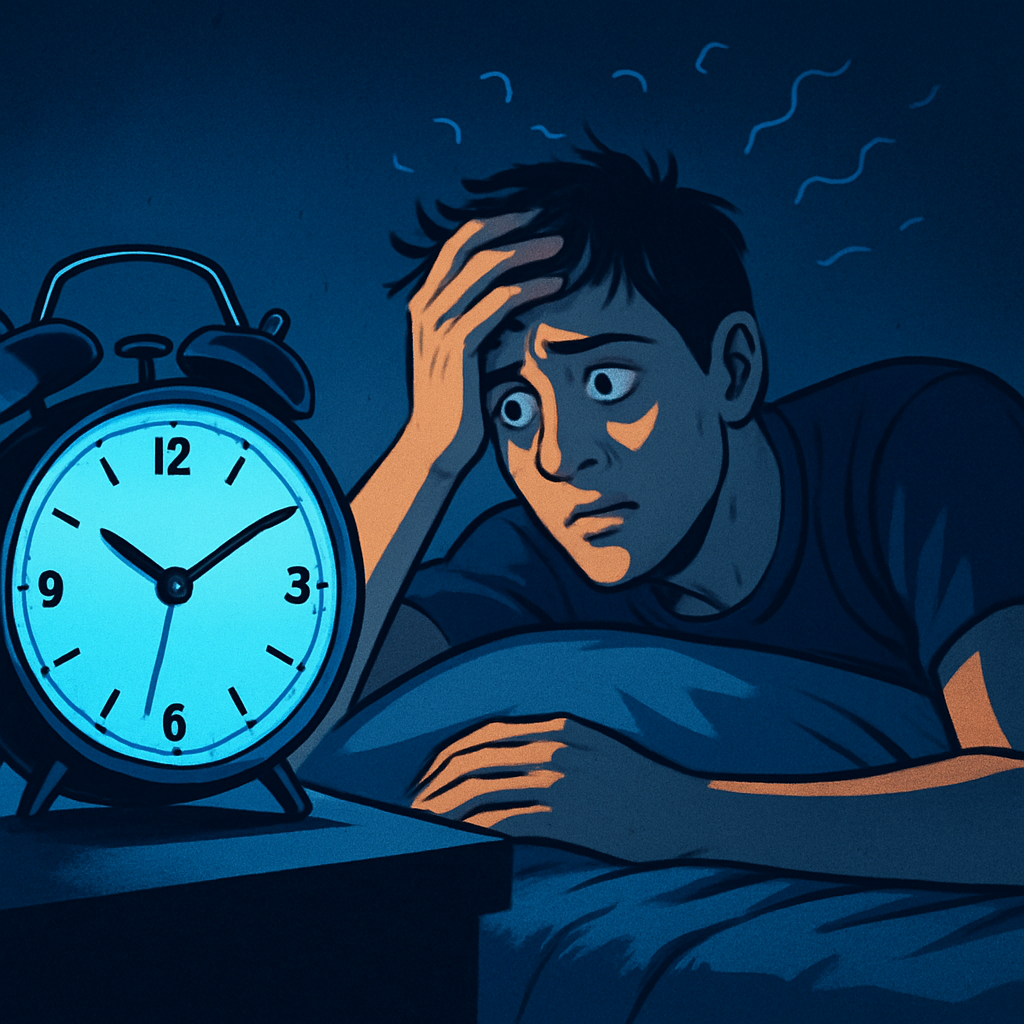
Is the Modern Dating Scene Designed to Fail Neurodivergent Adults? A Therapist Weighs In
Dating today often runs on signals that don’t fit neurodivergent brains, leaving many adults to grapple with neurodivergent dating challenges amplified by apps, speed, and social expectations. In this therapist-led exploration, you’ll see how ADHD and related profiles shape communication, memory, and boundary setting—and what evidence-based strategies can change the trajectory. You’ll walk away with practical scripts, coping tactics, and a CBT/ACT/mindfulness-informed framework you can apply right away to improve dating and relationship outcomes.
How ADHD and Other Neurodivergences Shape Dating Interactions
ADHD and other neurodivergent profiles shape dating interactions through concrete cognitive and communication patterns that are real, not deficits to be erased. Time perception, working memory, and impulse control show up in how plans are made, kept, or renegotiated. For practical clarity, see Understanding ADHD and Relationship Challenges: Solutions That Work – Therapy for Adulting.
Key behavioral levers that shape dating dynamics
- Time management and scheduling reliability affect how reliable plans feel to a partner; a missed or shifted plan creates uncertainty.
- Executive functioning for planning and follow-through influences texting cadence, remembering details, and coordinating logistics.
- Impulsivity and spontaneity can make dating feel exciting but also push boundaries or overshare in early conversations.
- Sensory processing and social stamina determine how long someone can sustain a date and what settings feel comfortable.
- Memory for details and recalling commitments shape trust when a partner asks about plans or past conversations.
- Communication style differences can lead to misreads: rapid talking, high energy, or terse replies all mean different things to different people.
Attachment histories, past rejection experiences, and the way neurodivergence has been navigated in childhood all color dating choices and expectations. These patterns show up as sensitivity to tone, safety signals in conversations, and how quickly someone discloses personal information or pivots when plans change.
Concrete example: On a first date, Maya with ADHD underestimates travel time and arrives flushed and apologetic. She pivots quickly to keep the energy light, which the date reads as overexcitement. After the date, she forgets to confirm a second meet-up, creating a small ripple of uncertainty that lingers into the next contact.
A practical frame: treat these patterns as signals to educate a partner rather than as personal flaws. The same traits that can complicate dating—novelty seeking, quick shifts in attention, and enthusiasm—also drive authentic connection when paired with clear boundaries and predictable supports.
Two practical tools make a real difference: explicit planning and memory supports. Use shared calendars for dates, set brief, concrete reminders, and agree on a process to reconfirm plans a day before. These practices reduce cognitive friction without dampening the spontaneity that neurodivergent dating life can generate.
In practice, these adjustments don’t erase differences; they reframe how they appear in dating. The result is a more predictable rhythm that still preserves the energy and authenticity that neurodivergent individuals bring to relationships.
Why Modern Dating Feels Inhospitable to Neurodivergent Adults
Modern dating platforms prize speed, sparkle, and rapid impression formation. For neurodivergent adults, that design creates real friction: processing speed, working memory, and sensory regulation rarely keep pace with a culture built around quick messages, crowded venues, and open-ended ambiguity. The result is more miscommunications, forgotten plans, and a creeping sense that you must perform or disappear to be considered a viable partner.
- Speed over depth: swipe culture and speed dating reward snap judgments; this clashes with neurodivergent processing that thrives on slower reflection and context-building.
- Sensory and cognitive load: bright lights, loud venues, and constant chatter drain attention and escalate anxiety, making sustained conversation harder and reducing opportunities for genuine connection.
- Education and disclosure gaps: many potential partners lack a framework to accommodate neurodivergent needs; context-appropriate disclosures early on can help, but carry risk if not matched with empathy and partner education. For deeper grounding, see Understanding ADHD and Relationship Challenges: Solutions That Work – Therapy for Adulting. For memory-specific strategies, consider Sharpen Your Memory: Understanding and Managing ADHD-Related Memory Challenges – Therapy for Adulting.
A practical consequence is that many neurodivergent adults feel forced to choose between fast, surface-level connections and slower, more meaningful engagements that their cognitive styles struggle to sustain in typical dating environments.
Consider a first date in a quieter cafe with a simple, shared activity (short walk, coffee, or a low-stimulation setting). The neurodivergent individual can focus on listening and interpreting cues without the overwhelm of a busy venue. In one anonymized case, a client with ADHD found a two-hour date in a dimly lit, calm space allowed for more natural follow-up and clearer boundary setting than a standard bar outing, leading to better compatibility judgments.
From a clinical perspective, the misfit isn’t a personal failing; it’s a design problem. Solutions exist: slower matching processes, explicit scheduling prompts, and conversations framed around real needs. Therapists emphasize practical changes like structured disclosures, specific requests for accommodation, and agreed-upon check-ins that keep momentum without demanding constant mental load. These ideas align with CBT, ACT, and mindfulness principles to reduce dating-related avoidance and increase authentic connection.
Takeaway: slow the dating process where possible, insist on clarity and boundaries, and seek partners who value neurodivergent strengths. If you’re unsure how to implement these steps, therapy can guide you toward practical, evidence-based changes that improve dating outcomes.
Therapeutic Approaches That Make a Difference in Neurodivergent Relationships
Neurodivergent dating challenges are not a personal failing; they reflect a mismatch between neurotype and dating norms. Evidence-based therapies give you practical tools to close that gap rather than fix you.
Core modalities—CBT, ACT, and DBT—provide concrete skills: CBT for clear communication scripts and memory supports; ACT for values-driven dating decisions; and DBT for distress tolerance under dating pressure. For relationship work, Emotion-Focused Therapy and psychoeducation help partners move from misread cues to shared understanding.
A practical framework blends individual skill work with relationship education. You practice clear language, explicit planning, and accountability in your dating behavior, then apply those capabilities in real interactions with a supportive partner or therapist guiding the process.
Concrete Example: A client with ADHD notices repetitive miscommunications after dates. Through CBT, they identify the thought pattern that leads to abrupt text replies, then implement a 24-hour follow-up template and a simple planning checklist for dates. Over two months, follow-through improves and dates feel more predictable for both people.
- Implementation blueprint: Start with 4 weeks of weekly 30-minute skill sessions focusing on clear language, explicit plans, and memory supports.
- Add 4 weeks of relationship education with a focus on empathy mapping and joint problem-solving scripts.
- Introduce a 2-week trial of EFT-informed conversations to surface attachment needs and practice repair strategies.
- Incorporate a monthly check-in to adjust goals and discuss app-based dating decisions with a therapist’s input.
Limitations and trade-offs matter. Access to ADHD-informed therapists varies, and time and money constrain how deeply you can customize the plan. You’ll trade some spontaneity for clearer routines and shared expectations, which most neurodivergent couples report as a net gain despite the upfront effort.
To start applying these ideas today, check resources like Understanding ADHD and Relationship Challenges: Solutions That Work – Therapy for Adulting and skim external research such as NIMH ADHD. These aren’t prescriptions; they’re anchors for building a personalized plan.
In practice, you’ll know a framework is working when you notice clearer communication, fewer dating misfires, and a consistent ability to repair after tension.
Takeaway: Build your dating plan as a living framework, not a one-time fix, and make therapy your partner in shaping sustainable, neurodivergent–friendly intimacy.
Practical Tools and Scripts You Can Start Using This Week
These tools are designed to be pragmatic, not exhaustive. They cut cognitive load and create predictable patterns, so you can focus on connection rather than recall. Use them as starting points, not scripts you have to perform verbatim. See our ADHD relationship resources for deeper practice: Understanding ADHD and Relationship Challenges: Solutions That Work.
The core idea is to translate your needs into brief, actionable requests and anchor plans with explicit follow-through. You’ll see two outcomes: increased clarity on expectations and reduced ambiguity that often leads to misreads or anxiety. This approach aligns with CBT- and mindfulness-based strategies we discuss in our material: Navigating Love and Partnership with ADHD: A Survival Guide.
Templates you can copy, adapt, and test this week
- Disclosure script for a first date: I’m happy to be here with you. I have ADHD, which means I sometimes miss details. To make sure we’re on the same page, could we recap our plan after this date and text a quick summary about what we’ll do next? If you’re uncomfortable with anything I share, I’m open to questions.
- I-statements for setting boundaries: I feel overwhelmed when plans change last minute. I need at least 24 hours notice to adjust, and I am happy to renegotiate if there is a genuine constraint. How does that work for you?
- Follow-up message after a date: I enjoyed meeting you. Quick plan check: we’re on for next Thursday at 7 pm. I’ll text a reminder the day before. If that timing changes for you, tell me and we’ll adjust.
- Memory-forwarding reminder routine: Memory-forwarding reminders help you stay aligned: set 3 reminders—24 hours before the date to confirm details, 2 hours before to prep, and the day after to reflect on what went well and what to adjust.
Be flexible with tone. Authenticity beats scripted rigidity. If you’re naturally direct, keep words tight. If you’re more careful, allow a bit more context. The goal is predictable expectations, not perfunctory compliance.
Case in point: a real-world use case
Alex, who has ADHD, used a concise disclosure script on a first date and followed up with a clear plan summary the next day. The partner asked two clarifying questions and suggested a low‑pressure second date; they agreed to a 24‑hour note-taking habit to avoid forgetting details. That simple sequence reduced anxiety and created a shared framework for communication.
Limitations to watch for: scripts can feel performative if overused or misaligned with your natural voice. Pair scripts with memory aids and short practice drills, then tailor the language over time.
Next step: choose one script to test this week, practice it in low-stakes conversations, and note how it affects clarity, confidence, and timing of plans.
Disclosing Neurodivergence, Boundaries, and Partner Dynamics
Disclosing neurodivergence on a date is not a single moment; it's a structured negotiation that shapes trust and expectations. The aim isn't to dump a diagnosis but to offer a usable map of how your brain works in dating—what you need, what to watch for, and how a partner can support you without feeling overwhelmed.
Two levers matter: timing and framing. Timing decides whether disclosure lands as a practical aid or an anxious confession that triggers avoidance. Framing matters: present neurodivergence as operating differences you actively manage, not a label that defines you or your entire relationship.
- Decide the disclosure window: plan when to bring it up (for example, after a couple of dates or at a natural check-in) and what you want to achieve with the information.
- Frame with I-statements and concrete examples: I have ADHD, which means I may lose track of time. I manage this with reminders, calendars, and clear plans—happy to walk you through how it works.
- Prepare a brief education plan: offer a one-page explainer or link to a concise resource on neurodivergence to help your date understand common needs.
- Establish boundaries and reciprocity: outline what you need in terms of communication, scheduling, and cues, and what you can offer in return (flexibility, honesty, and consistency).
Example: On a second date, Jordan with ADHD mentions that timekeeping is a regular challenge. They share one practical adjustment they use—calendar invites and a 24-hour reminder—and invite questions. The date responds with curiosity and asks how to navigate plans; they agree to a shared calendar for future outings.
Beyond disclosure, invest in partner education and boundary validation. Seek partners who value neurodivergent strengths—creativity, pattern recognition, persistence—and who are willing to learn simple coping strategies together. Build a support network: dating support groups, therapy-informed conversations with friends, and transparent expectations about safety and consent.
Takeaway: Approach disclosure as a collaborative project—provide context, set boundaries, and invite your date to engage in learning and problem-solving.
When Therapy Fits: How Therapy for Adulting Supports Your Dating Journey
Therapy is not a cure-all, but it is a targeted, practice-based pathway that translates dating challenges into verifiable skills. When attention, memory, and emotional regulation shape how you show up on apps and on dates, an ADHD-aware clinician can map those patterns and translate them into concrete dating skills. In our approach at Therapy for Adulting, we rely on CBT, ACT, and mindfulness-informed tools to reduce dating-related anxiety, improve boundary setting, and help you follow through on plans. If you’re juggling online dating, in-person meetups, and nuanced disclosures, therapy becomes the structured process that aligns your neurodivergent profile with relationship goals rather than letting friction run the show.
Intake, goals, and progress tracking
Intake is where you turn dating pain into measurable milestones. A skilled ADHD-friendly therapist will assess how attention differences, working memory, and emotional regulation shape your dating interactions, then co-create a plan with concrete goals. Progress is tracked with tangible indicators: clearer follow-through on plans, fewer miscommunications after dates, and stronger self-advocacy in disclosures. For context, see how we frame these steps in our intake outlines Understanding ADHD and Relationship Challenges: Solutions That Work.
- Clarify dating goals and specific challenges to address in therapy;
- Confirm the clinician has explicit experience with ADHD and dating dynamics;
- Inquire about modalities and how progress is measured (checklists, journaling, role-plays);
- Confirm logistics: session frequency, telehealth options, and cost;
- Schedule a trial intake and agree on a two-week review to assess fit.
Example: A 32-year-old with ADHD struggled to reply after dates and often overcommitted future plans. In therapy, they practice a two-minute post-date check-in and a simple reminder system, and within a month they reliably respond to messages and set up a second date within 72 hours. This is not magical—it's the result of targeted skill-building that translates directly into dating behavior.
Expect sessions to blend psychoeducation with practical assignments: weekly meetings of 45–50 minutes, with homework such as boundary scripts, scheduling routines, and short exposure to dating simulations. The pace should match your needs, sometimes faster for those who want rapid changes, sometimes slower to solidify routines. Either way, therapy for adulting expects you to bring your dating efforts to the session and apply what you practice between visits.
Takeaway: If you want durable improvements in your neurodivergent love life, start with an ADHD-friendly intake that links therapy tasks to dating outcomes and sets clear, measurable goals you can track with your therapist.