7 Surprisingly Effective ADHD Productivity Strategies Therapists Swear By (Beyond Medication)
ADHD often robs momentum, but you can stack practical, therapist-backed strategies that work alongside medication. One proven approach is adhd body doubling, where social presence helps you start and maintain focus. This post breaks down seven ADHD productivity strategies beyond medication, with clear steps, real-world tool recommendations, and a two-week experiment to measure progress in work, dating, and everyday adulting.
1. ADHD body doubling with FocusMate
adhd body doubling reduces initiation barriers by injecting social presence into work blocks. When you pair with a live accountability partner, you’re less likely to drift into distraction and more likely to start and sustain momentum. The most actionable form of this strategy today is FocusMate, which structures the pairing around a timed session and a concrete task rather than vague focus promises. Pairing it with a Cal Newport blog-style time-blocking routine can amplify results by protecting cognitive resources for high-leverage work. Treat it as a practical counterweight to procrastination, not a replacement for therapy or medication. Learn more about FocusMate here: FocusMate.
How FocusMate sessions work and best practices
FocusMate creates a simple, reliable framework for starting work. A session pairs you with a partner for a focused block, usually around 50 minutes. You arrive with a task, share it briefly, and then work in silence while the timer runs. Afterward you note what started, what got stuck, and what you will carry into the next block.
- Step 1: Book a session for a time when your energy is highest and you can minimize interruptions.
- Step 2: Share a short, specific task with your partner so there is a concrete outcome (e.g., draft the intro to a client proposal).
- Step 3: Start the timer, turn on video, and work with cameras on but in silence until the timer ends.
- Step 4: Reflect for 2 minutes at the end, noting what started quickly, what stalled, and what you will do next.
Trade-offs and practical limits: Coordinating sessions adds overhead, and not everyone responds well to real-time accountability. For some people the social pressure can raise anxiety or become a distraction if the partner is unfocused. The method works best when you pair with a reliable routine and a clearly defined task each time.
Concrete Example: Maria, a freelance designer, used FocusMate twice weekly to push through client proposals. In four sessions she moved from staring at a blank screen to drafting the opening paragraph and attaching a first design concept, finishing each session around 40 minutes.
To judge impact, track these quick signals and adjust the format if needed:
- Minutes focused per session: total and average.
- Tasks started and completed: count a task as started when the timer begins; mark complete when the task is done.
- Momentum indicators: days with a productive block vs days with drift.
- Clarity after session: note if you feel more prepared to tackle the next task.
Takeaway: schedule two FocusMate sessions this week with a clearly defined task, track minutes focused, and assess progress over a two-week baseline to decide whether to scale up or adjust task formats.
2. Time blocking that sticks with Cal Newport style
Time blocking sticks for ADHD when you treat the calendar as a commitment device rather than a tentative plan. Cal Newport's framework gives you structure, but the real-world payoff comes from tailoring block length, adding buffers, and actively protecting focus blocks from interruptions. If you show up to your day with a reliable rhythm, your brain can allocate attention more predictably, reducing the start-up friction that kills momentum. For a grounded reference, see Cal Newport's blog.
Implementation steps
- Step 1: Identify two to three high-leverage tasks for the day and estimate their duration honestly.
- Step 2: Create calendar blocks in Google Calendar or Apple Calendar, color-coding by task type (blue for deep work, green for admin).
- Step 3: Schedule blocks with fixed times and add a 5–15 minute buffer between blocks to absorb underestimates and energy dips.
- Step 4: Protect blocks from interruptions by turning off non-essential notifications and using a single timer for start and stop.
- Step 5: End-of-day review: move unfinished tasks to the next day with minimal friction and adjust lengths for tomorrow.
A rigid schedule can backfire when energy and motivation fluctuate. The cure is to pair structure with small, live adjustments: keep blocks short at first, and test longer deep-work blocks only after you can sustain them without drift. This is where many plans fail—they overestimate what fits in a single block and abandon the calendar altogether. By designing for small, repeatable successes, you create a reliable cadence you can actually maintain.
Concrete example: On Tuesday, Alex, a freelance designer with ADHD, blocks 9:00–11:00 for a client proposal, 11:15–11:30 for quick emails, and 1:00–2:30 for concept sketches. He uses a blue calendar color for deep work and a 10-minute buffer between blocks. Notifications are off, and he sets a timer to start and end on the dot; by 11:30 he has a draft outline ready.
Two-week experiment: Run this pattern for two weeks. Track the percentage of blocks kept, total minutes of deep work, and the number of tasks moved to Done. If a block is consistently missed, shorten it or add a buffer before expanding again. For accountability and additional support, you can explore CBT-informed routines with Therapy for Adulting ADHD therapy.
Next consideration: set up your first two blocks today and run a two-week audit to gauge impact on focus and task completion.
3. If-Then planning and habit stacking for automatic starting
If-Then planning is not a buzzword; it reshapes how ADHD brains start work by turning decisions into ready-to-run actions. When you pair a cue with a minimal, concrete response, initiation no longer hinges on motivation. You build a small habit stack where each cue prompts the next action, and focus follows the sequence rather than your fluctuating willpower. In practice, this is what therapists mean by implementation intentions—explicitly stating when, where, and what you will do.
How it works in practice
Pair cues with tiny, unambiguous actions so starting is automatic. A well-structured habit stack links a routine you already perform to a new behavior you want to establish, creating momentum without nagging self-talk.
- Audit the day and identify 2–3 high-leverage tasks that benefit most from a quick start.
- Create explicit if-then rules: If cue X happens, then perform action Y.
- Stack new rules onto existing routines to form compact sequences you can repeat daily.
- Attach a clear progress signal, like moving a card in Trello or checking a box, so you see momentum.
Two weeks is a practical horizon to learn which cues actually work and which actions are truly frictionless. Start with one or two rules, track initiation, and tune the cues or the action to reduce gatekeeping.
Concrete example: If I open my email at 9:00 a.m., then I will process the first five messages and move that task to In Progress. If I finish, I immediately switch context to the next high-leverage task instead of looping on the inbox. This creates a predictable kickoff instead of a stall at the start line.
A practical limit to watch for is over-optimizing the rules for a perfect week. Real life throws curveballs—meetings run late, energy dips, unexpected tasks appear. Build in a fallback: if the preferred cue is missing, revert to a simpler rule such as completing one small subtask before leaving the desk.
4. Visual task management with Kanban boards (Trello, Asana)
Visual task management is not a gimmick for ADHD—it’s a cognitive anchor. Kanban boards turn overwhelmed thinking into a visible, tactile workflow, clarifying priorities and reducing the mental load of juggling tasks. The real win is surface area: you see what matters now, what can wait, and what is moving toward done, which matters more than any motivational pep talk.
Plan for a simple, actionable board: start with a few core columns and use color or labels to indicate priority. A typical setup includes To Do, In Progress, and Done; many people add Backlog for ideas and Blocked for blockers. The goal is fast, frictionless movement—cards should be easy to create, quick to update, and described with a single outcome.
Getting started: practical steps
- Step 1: Choose your board: Trello or Asana are the most intuitive for visual workflows; keep the primary board clean and resist the urge to juggle multiple boards for every project.
- Step 2: Define columns: Start with To Do, In Progress, Done; add Backlog for ideas and Blocked for dependencies if you need them. Keep the column count low to minimize decision fatigue.
- Step 3: Create task cards with a clear definition of done: Each card should name a single outcome, include a due date, and contain a compact checklist or acceptance criteria.
- Step 4: Set WIP limits: Cap In Progress at 2–3 tasks to force completion and reduce fragmentation; use labels to mark blockers or high-priority items.
- Step 5: Use templates for recurring work: Templates for tasks like client reports, content briefs, or monthly bills cut setup time and keep quality consistent.
- Step 6: Make it actionable daily: Start the day by moving a couple tasks toward Done or In Progress; perform a quick 5-minute health check to prune stale items.
- Step 7: Schedule a weekly review: Archive completed items, re-prioritize Backlog, and refine card definitions so nothing gets lost in the pile.
Be mindful of the overhead. A Kanban board can become a ritual without producing value if you over-define columns or chase perfect card descriptions. The ADHD reality is you need fast, repeatable actions—keep setup lean and reserve longer planning for your weekly review.
Concrete example: A freelance content writer uses a Trello board with columns Backlog, To Do This Week, In Progress, Review, and Done. Each article task is a card with a one-line objective, a due date, and a short checklist (brief, draft, edit, publish). They cap In Progress at three articles to prevent context switching and routinely prune Backlog during the weekly review.
This approach shines when paired with time-blocking and a quick daily standup habit. The board becomes your operational spine for ADHD management, offering visibility, accountability, and momentum without requiring a therapist to micromanage your day.
Takeaway: use Kanban as a visual anchor for tasks and a discipline-shaping mechanism—keep it lean, review it regularly, and let movement across columns drive focus and momentum rather than endless planning.
5. Movement breaks and energy management
Movement breaks do more than quiet restlessness. For adults with ADHD, short, purposeful movement helps regulate dopamine and cortisol fluctuations that erode sustained attention. This isn't about hitting the gym; it's about a predictable micro-routine that nudges your brain back into a task state without killing your momentum.
Think of your work as an energy budget. Use 25-30 minute focus blocks and pair them with a 2-5 minute movement break. The movement should be accessible and deliberate—easy to repeat, quick to start, and not so long that it pulls you away from the next high-leverage task. The aim is continuity, not a marathon of motion.
- 2-minute stretches in place (neck rolls, shoulder rolls) to release tension and reset posture.
- 5-minute brisk movement (walk, stairs) to elevate arousal and wake up the nervous system.
- 30-second dynamic bursts (space permitting) to reset dopamine and reengage.
- 2-minute mobility sequence (ankle circles, wrist circles) to refresh bodily maps.
Concrete Example: In a typical 2-hour work block, Maya does two 25-minute sprints with a 3-minute movement break between them. She alternates between a quick desk stretch and a brisk hallway walk, then resumes the next block. After a week, she notices fewer mid-block distractions and more consistent task entry.
Acknowledge the trade-off: too much movement can derail a cognitive task that requires deep concentration, and some people have mobility constraints. The fix is modularity—start with one movement cadence, keep it simple, and adjust the length based on how long you can sustain effort before fatigue or friction creeps in.
Takeaway: embed short, intentional movement into your work rhythm as a practical lever for energy management and focus, then tune the cadence to your own energy signals and daily demands.
6. Digital discipline with focus tools and blockers
Digital distractions are the gatekeeper to real work for ADHD brains. Without a tightened tech environment, even the strongest focus strategies stall. This section offers a lean, practical toolkit: a small set of focus apps and blockers that actually get used, not another shelf of software you forget about.
Start with a focused trio to build momentum: RescueTime for awareness of where attention goes, Forest to gamify and sustain short focus bursts, and blockers such as Freedom or built-in OS controls to curb interruptions during deep work. The aim is to map tools to your patterns—awareness first, constraint second, adjustment third—so you don’t chase features you don’t need. See how these align with your ADHD tendencies rather than adopting every setting at once. RescueTime · Forest · Freedom
- Step 1: Establish a primary focus window (for example, 90 minutes) and identify the top two distraction sources (social media, email, news).
- Step 2: Install a blocker for those sources during the window and set exceptions only for urgent communications that you pre-define with a partner.**
- Step 3: Turn on RescueTime to baseline your distractions for a week, then use the data to fine-tune which sites or apps you block first.**
- Step 4: Create a short post-block review to capture what was accomplished and where frictions arose, then adjust your blocks accordingly.**
- Step 5: Expand gradually: once the initial window feels habitual, add a second window or another blocker category.**
Concrete example: a freelance marketer named Alex used RescueTime to confirm that social platforms and email dragged down 40 percent of a 90-minute work block. They then deployed Forest to lock their phone for 60–90 minutes and enabled Freedom to block social apps for the morning. After two weeks, deep-work minutes doubled, and two client deliverables moved ahead of schedule. The pattern stuck because the setup matched their daily rhythm, not because they found a perfect all-day solution.
A practical trade-off to acknowledge: blockers reduce interruptions but can feel constraining. Plan for legitimate exceptions—calendar holds, urgent calls, or time-limited check-ins—and make those paths explicit in advance. Also watch for rebound time later in the day when you overcompensate by overchecking tasks; the fix is a second, lighter block rather than abandoning discipline entirely.
Next, apply this discipline to your environment—declutter and organize planning surfaces so the tools have a clean canvas to work from. Start by selecting a single blocker and a single focus block, then run a two-week experiment and document the results.
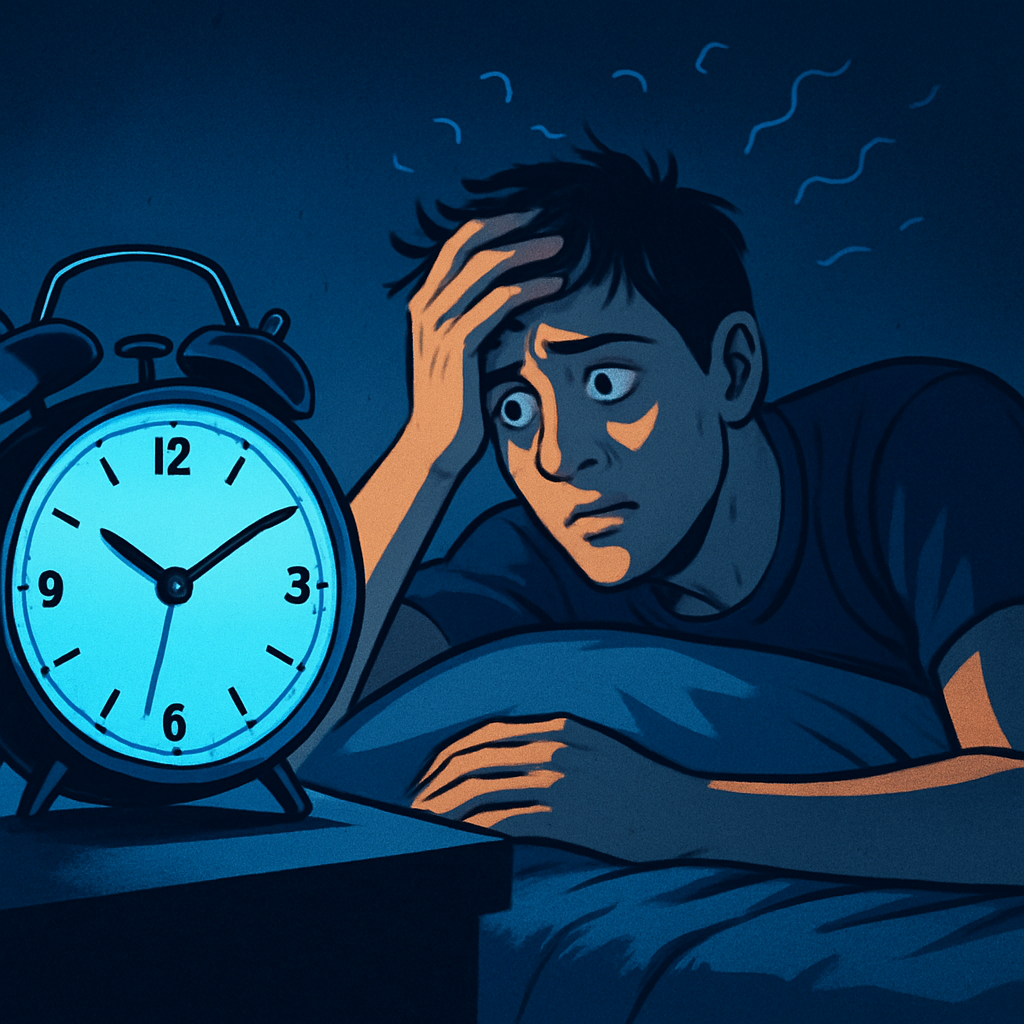
7. Sleep, routine, and environment design as the foundation
Sleep, routine, and environment design form the foundation that all ADHD productivity strategies lean on. If these are out of alignment, the rest feels fragmented and fragile. A stable wake time, a predictable wind down, and a workspace arranged to minimize friction reduce cognitive load and make it easier to start and sustain tasks.
- Maintain a consistent wake time and get seven to nine hours most nights to stabilize the circadian rhythm and improve daytime attention.
- Create a 60 minute wind down before bed that signals the brain to switch from work mode to rest mode; include dim lights, light stretching, and a quick tomorrow plan on a simple surface.
- Design the environment to support work and rest by keeping the sleep area dark and cool, with a dedicated planning surface elsewhere; reduce visual clutter and ensure easy access to a notebook or planning pad.
- Limit digital stimulation before bed by minimizing screen time and using blue light filters or a dedicated bedtime device.
Even with adhd body doubling for morning accountability, the effect of routines depends on sleep and environment. When the base is stable, body doubling yields meaningful gains in initiation.
Concrete Example: After a chaotic week, Maya commits to a 15 minute wind down and a 10 minute morning routine. She dims the lights, does five minutes of light stretching, hydrates, and writes the top three tasks on a sticky note placed by the bed. The next morning she wakes at the same time, follows the routine within 10 minutes, and starts the first task on the timer. Within a week mornings feel calmer and the first work block flows more smoothly.
A practical design note is to keep the ritual simple and scalable. If a full wind down proves hard, start with 15 minutes and a single cue like dimmed lights, then add a second cue after a week. This is not merely about sleep hygiene; it is friction reduction for the entire day.
Trade offs and limits: this approach requires upfront discipline and some days will resist routine. Social events, travel, or irregular shifts can fragment the pattern, and sleep debt from prior nights reduces the immediate impact. Caffeine timing and light exposure still matter for how well the routine lands.
Takeaway: treat sleep and environment as the actionable base you continuously refine; once they stabilize, other productivity levers become reliably effective.