Social Symptoms of ADHD: How They Affect Dating and Everyday Adulting
The social symptoms of adhd shape dating, friendships, and everyday adulting just as strongly as inattention and impulsivity do. In real life, that shows up as texting gaps, misread social cues, and boundary battles that ripple through conversations, plans, and work teams. This post offers practical, evidence-based strategies and therapy-informed options to improve communication, set clearer expectations, and navigate social situations with confidence.
Understanding the social symptoms of ADHD in adults
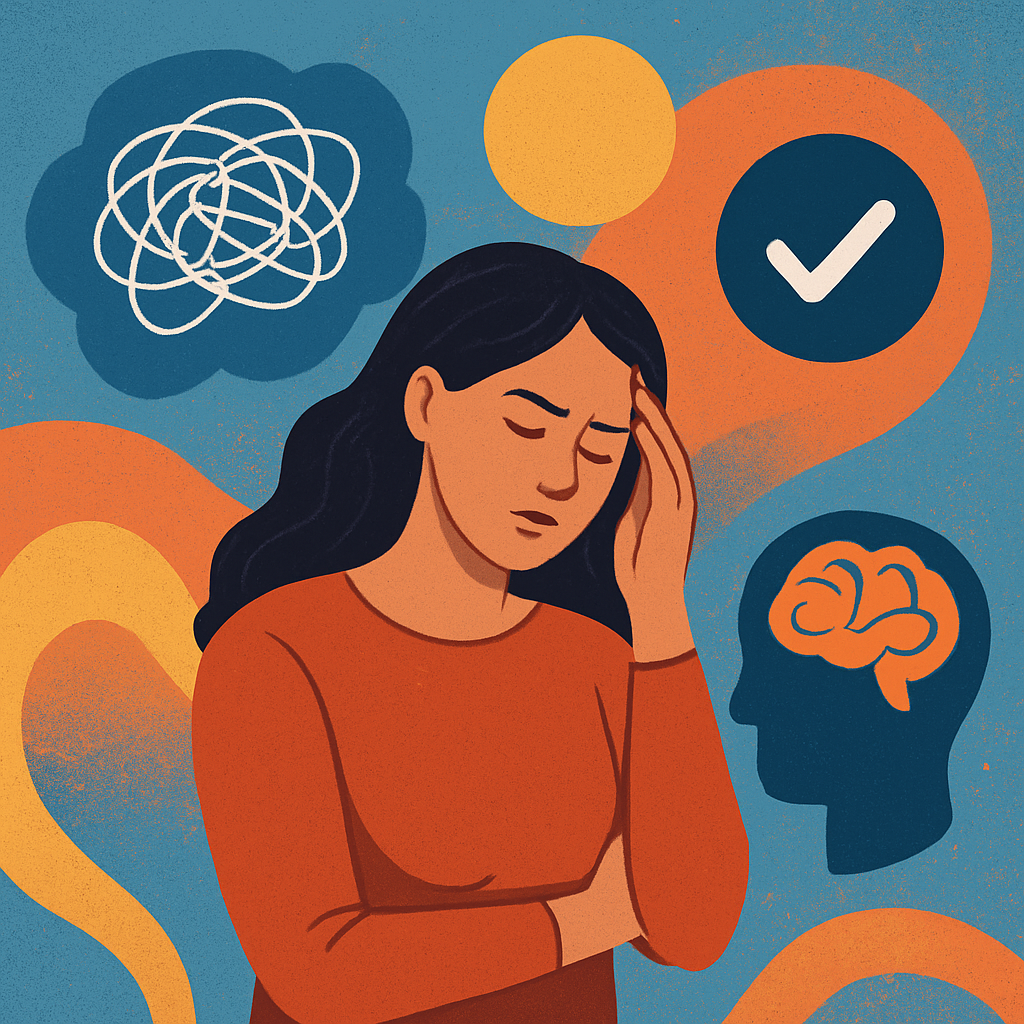
Social symptoms of ADHD in adults arise from the intersection of attention regulation, executive function, and emotional regulation in real conversations. In practice, these symptoms show as missed turns, drifting off topic, and reactive remarks that derail listening. In dating and everyday life, that pattern looks like delayed replies, inconsistent planning, and friction in group settings.
These social symptoms are not just generic attention problems. Social exchanges demand reading cues, sustaining turn-taking, and calibrating responses to others’ emotions. When those functions are noisy, dating can feel uneven and routines crumble, even for people who are otherwise reliable and thoughtful. Practical guidance often points to explicit scripts and external support systems, with practical insights from therapy techniques. For practical guidance, see therapy techniques.
Co-occurring conditions—especially mood and anxiety disorders—frequently amplify social impairment. Life stressors and high social demand periods, such as launching a new dating app or leading a cross-functional project, magnify friction. The result is a feedback loop where social missteps erode confidence, leading to withdrawal and weaker performance in future interactions. For structured support, consider services like ADHD therapy for adults and ADHD coaching or social skills training.
Concrete example: Mia, 32, tends to interrupt during conversations and forgets to confirm plans. On a first date, she makes an impulsive remark about a sensitive topic, which short-circuits trust. To counter this, she uses a shared calendar and a simple predate script to set expectations and reduce miscommunication.
External structure helps, but it carries a cost. Reminders and checklists can feel clinical in intimate moments, and over time they can dampen spontaneity. The practical path is to pair tools with skills training that targets social behavior, such as explicit communication, paced conversation, and deliberate practice in social settings.
Takeaway: Start by identifying the most disruptive social symptom and apply a targeted, evidence-based blend of therapy, coaching, and practical tools to improve dating and daily adulting.
Dating dynamics shaped by ADHD social symptoms
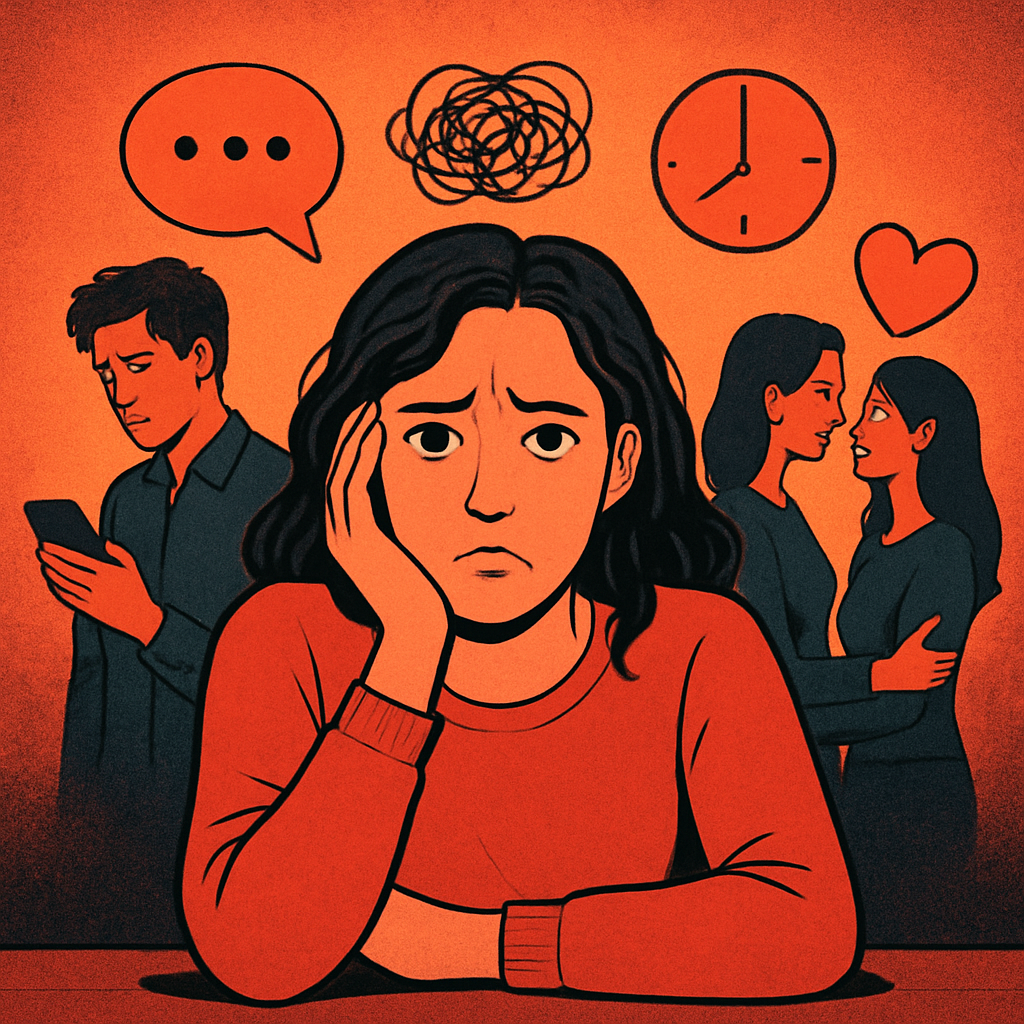
Dating dynamics in adults with ADHD reveal themselves as uneven communication and momentary disengagement. The core social symptoms show up as difficulties sustaining attention in conversations, impulse-driven comments, and misreading others' cues, which often surfaces as texting gaps, misread cues, or commitment ambivalence.
External structure like calendars, reminders, and scheduled check-ins can keep you in the loop, but too much rigidity can feel controlling or kill the spontaneity dating relies on. Emphasize external structure as a support, not a cage, and watch for the moment you lean too far into plan-driven behavior.
Consider Alex, a 32-year-old with ADHD. After a strong first date, Alex replies promptly but then forgets to respond the next day, and the date reads it as disinterest. To fix this, Alex started a simple rule: reply within 24 hours and send a brief check-in if plans drift. This small change reduced misreadings and built trust over several dates.
Impulsivity and mood shifts shape boundary setting and trust. On a date, impulsively praising a sensitive topic can derail confidence, while sudden mood dips can sap enthusiasm and reliability. A practical response is to acknowledge feelings and reset boundaries in real time, for example by agreeing to revisit a tense topic later.
Strategies for early dating focus on explicit planning and clear communication.
- Precycling conversations: Agree on how you will plan dates and how you handle texting frequency.
- Explicit planning scripts: Draft lines for asking for a second date or setting a boundary.
- Shared planning tools: Use a calendar or scheduling app to confirm plans and reminders.
Evidence-based therapies and coaching provide leverage when social skills slip. To change the trajectory, lean on CBT and DBT adaptations for ADHD with a focus on social functioning, plus ADHD coaching and social skills training as practical supports. When appropriate, medication can reduce core symptoms that undermine conversations, and therapy helps turn skills into lasting change. For technique ideas, see Why ADHD Causes Overthinking — and Therapy Techniques to Break the Cycle and consider Thriving at Work: Essential ADHD Accommodations for Professional Success.
Practical tools, routines, and resources you can start today include external supports like calendars and reminders, dating-focused planning that reduces friction, and clear pathways to therapy through Therapy for Adulting.
- External supports: calendars, reminders, task lists, and shared planning apps.
- Dating routines: short, regular check-ins and pre-planned buffers to handle delays or cancellations.
- Therapy access: how Therapy for Adulting can help and leveraging internal resources to enable rapid start.
Takeaway: start with explicit communication and external structure, test a simple dating-script for two weeks, and adjust based on what actually reduces friction.
Everyday adulting and social navigation
In everyday adulting, the social symptoms of ADHD manifest as reliability gaps, timing misreads, and energy mismatches during social moments. You might forget a plan, arrive late, interrupt others, or drift mid-conversation, leaving friends and colleagues unsure where things stand. The effect compounds across dating, friendships, and team work: impulsive comments in group chats, missed follow-ups at work, and fatigue after social bursts that leave you craving quiet time. Those patterns erode trust and smooth coordination unless you intervene with concrete structure.
Routines and external structure aren’t optional for adults with ADHD; they’re social tools. A shared calendar, reminder cues, and explicit expectations make interactions legible to others and easier to sustain across weeks. When you invite someone to a plan, you back it with a time buffer, a clear plan B, and a quick post-event check-in. In practice, this reduces anxiety in social settings and shifts your relationships from mere tolerance toward reliable collaboration.
Concrete example: A 34-year-old designer schedules weekly coffee with three friends on a shared calendar, sets reminders 24 hours and 2 hours before, and apologizes promptly when plans shift. This reduces missed meetups and the cycle of complaints that follows last-minute changes.
A key limitation is that over-reliance on reminders can sap spontaneity and put the emphasis on calendar management rather than relationship quality. The trade-off is clear: structure buys reliability, but it can feel heavy or artificial if you overdo it or expect others to adapt to rigid patterns.
- External supports: use a shared calendar and reminders, plus editable planning apps to anchor plans
- Scheduling discipline: batch social activities into predictable windows to conserve energy and reduce fragmentation
- Precycling scripts: short, neutral planning conversations for dates, group events, and boundaries
- Energy budgeting: cap how many social commitments you take on per week and reserve a rest day
Take one actionable step this week: implement a shared calendar with at least one friend or coworker and test a simple reminder pattern for upcoming social plans. Observe how it shifts follow-through, conversational flow, and perceived reliability.
Communication frameworks and scripts for ADHD in relationships
In relationships the simplest way forward is explicit communication backed by external structure. For adults facing the social symptoms of adhd, subtle cues and offhand remarks rarely land as intended, and that gap compounds dating anxiety and daily friction. By codifying how you speak and how you plan, you create predictability that lowers cognitive load for both people. You’re not masking symptoms; you’re scaffolding interactions so needs are clear without piling on blame.
- Precycling conversations: Plan dates, expectations, and contingencies in advance to reduce back-and-forth and the chance of missed plans.
- Direct requests with limits: Phrase requests with explicit limits and deadlines to avoid drifting goals and forgotten commitments.
- Active listening with validation: Paraphrase what your partner says and reflect feelings to close the loop and reduce misreads.
- Mutual check-ins: Short, regular reviews of plans and boundaries keep both people aligned without relying on memory alone.
Concrete scripts make these frameworks usable without turning conversations into rehearsed performances. Use short templates you can adapt in the moment.
- Early dating script: To keep things clear, confirm the date, time, and venue today and agree on a simple backup plan if something changes.
- Boundary script: If interruptions occur, acknowledge the thought, propose finishing it later, and set a brief pause to protect flow.
- Follow-through script: When I say I will do X by Y, I will update you by Y if anything shifts.
These templates carry two realities: they reduce ambiguity and they modestly shift responsibility away from memory alone. A rigid script becomes a lifeline only if you keep it flexible and responsive to the relationship’s pace.
A practical trade-off to note is that over-structuring can feel mechanistic or rehearsed to a partner, which can dampen spontaneity. The key is to tailor scripts to the relationship and rotate in unscripted moments so the approach stays authentic rather than robotic.
Real-world use case: Jamie and their partner started with a small precycle ritual for weekend plans and a shared calendar reminder. They then added a one-line boundary script for conversations that drift into multiple topics, followed by a weekly check-in. After a month, planning felt smoother, and both reported less friction during busy weeks.
End with a concrete next step: pick one script to try this week, implement it for a single date or meetup, and schedule a brief debrief with your partner to assess what worked and what needs adjustment.
Evidence-based therapies and support options for adults
Evidence-based therapies for adults with ADHD that focus on social symptoms blend cognitive work, behavior change, and practical skills. In practice, you’ll see three core pillars: (1) skills-based therapy with CBT and, where helpful, DBT adaptations to regulate emotion in social settings; (2) action-focused supports like ADHD coaching and social skills training to anchor behavior in real life; and (3) thoughtful integration with medication when a clinician deems it appropriate. Medication often reduces the noise that makes social cues hard to follow, but it does not replace skill-building.
CBT and DBT adaptations for ADHD with a focus on social functioning
These modalities address how attention fluctuations, impulsivity, and emotion spikes shape conversations and dating dynamics. Expect structured sessions that reframe anxious self-talk, test small social experiments, and build contingency plans for common scenarios. A concrete example: a 34-year-old client tended to interrupt during dates. Through CBT, they practiced a 2 second pause before responding and used a simple text-check for missed messages; after eight weeks, interruptions dropped and the partner reported greater conversational balance. These changes translate into steadier days at work and more reliable plans with friends.
ADHD coaching and social skills training as practical supports
Coaching helps you externalize the plan: calendar-driven reminders for social tasks, step-by-step dating scripts, and accountability for follow-through. Social skills training provides structured practice such as role-plays for small talk, boundary setting, and reading a partner's cues in a dating or group setting. A real-world use case: Alex used coaching to design a three-step dating text pattern and rehearsed replies in sessions; in practice, responses were more measured, and they reported less anxiety at social events.
Medication considerations and integration with therapy
Medication can reduce core symptoms that derail social interaction such as inattention and impulsivity, which supports better listening, turn-taking, and sustained engagement across conversations. The best results come from pairing pharmacotherapy with skill-building; relying on meds alone can undercut learning. Work with a clinician to adjust dosages and coordinate with therapy and coaching, and monitor for side effects or sleep issues.
To get started, request an intake with Therapy for Adulting and ask about providers experienced with adult ADHD social challenges. Look for therapists who use CBT, DBT adaptations, and coordinate with coaches or social-skills groups. For context and deeper reading, see Why ADHD Causes Overthinking — and Therapy Techniques to Break the Cycle – Therapy for Adulting. External resources such as NIMH ADHD, Mayo Clinic ADHD symptoms, and CHADD Adults with ADHD provide additional perspectives. We also offer ADHD coaching and social-skills groups as adjuncts to therapy—see our workplace accommodations resource for context: ADHD Workplace Accommodations.
Next steps: schedule an intake to map a three-month plan that layers therapy, coaching, and medication management if indicated. A tailored, phased approach tends to produce durable improvements in how you navigate dating, friendships, and work conversations.
Practical tools, routines, and resources to start today
In practice, the fastest path to less social friction is to deploy concrete tools you can use without waiting for a perfect diagnosis or a perfect mood. Start with external supports that reduce reliance on memory and on-the-spot self-control: calendars, reminders, task lists, and shared planning apps that both you and your close contacts access.
Every tool has a trade-off. External systems require up-front setup, can feel clinical, and may feel burdensome to maintain. The payoff is consistency: you reduce missed messages, late plans, and impulsive comments when you have a clear plan and a predictable reminder cadence.
- Shared calendars and reminders: connect a calendar with close friends, partners, or colleagues and set auto-reminders for calls, messages, and important dates.
- Precycling conversations: draft simple, nonjudgmental scripts for planning dates, tasks, and boundaries in advance so you can revisit them without tension.
- External task lists: use a single, visible checklist for commitments this week, synced across devices to reduce forgetfulness.
- Structured dating routines: establish a regular check-in cadence or a pre-date prep routine to align expectations and energy levels.
- Professional supports: engage ADHD coaching or social skills training as practical, on-demand guidance that translates into real-life interactions.
Concrete example: a client named Alex uses a shared Google Calendar with his partner. He schedules a 20-minute planning block every Sunday to map out the week, blocks off time for meals, and sets reminders to reply to messages within two hours. He also prewrites a concise message for late replies so his partner doesn’t feel ignored during busy days.
If you’re unsure where to start, review Therapy for Adulting resources on ADHD coaching, CBT/DBT adaptations, and social skills training to tailor support to dating and daily life. In practice, a quick path is to pair one external cue with one routine—one reminder plus one planned weekly check-in—and scale up from there. Therapy for Adulting resources.
Next considerations: pick one tool to start this week, implement it for two weeks, and measure whether it reduces friction in at least one recurring social situation.