ADHD Coping Techniques That Actually Work: Small Changes to Reduce Overwhelm and Improve Daily Functioning
If daily tasks pile up and focus feels impossible, these adhd coping techniques prioritize small, practical changes that reduce overwhelm and improve daily functioning. You will get doable ADHD management strategies, simple routines, time-management tweaks, brief mindfulness exercises, and environmental fixes you can test this week to see a real difference.
Frequently Asked Questions
Direct answer up front: this FAQ focuses on the pragmatic trade-offs people actually face when testing adhd coping techniques — what is worth trying quickly, what requires professional help, and what rarely moves the needle by itself.
Common questions and short answers
- Will medication solve everyday problems? Medication reduces core symptoms for many people, but it is not a substitute for systems. Combine medication with ADHD management strategies like external scaffolding and skill work.
- Is CBT worth it? Yes — cognitive behavioral therapy and behavioral therapy for ADHD teach strategies that persist after sessions. Expect a months-long commitment and active practice between sessions.
- Are mindfulness and short meditations helpful? Brief, targeted practices can reduce overwhelm and improve focus when done repeatedly. Long retreat-style approaches help less for everyday executive function.
- Which productivity tricks actually work? Chunking, external timers, and reducing decision load outperform vague to-do lists. Focus techniques for ADHD that create structure are the reliable ones.
- Do diet, supplements, or exercise fix ADHD? Exercise and basic nutrition improve sleep and mood and amplify other interventions. Most natural remedies have limited evidence as standalone ADHD treatment options.
- How do I get workplace or classroom accommodations? Ask for specific, reasonable adjustments tied to job tasks or learning objectives. Documentation helps, but concrete requests get faster responses.
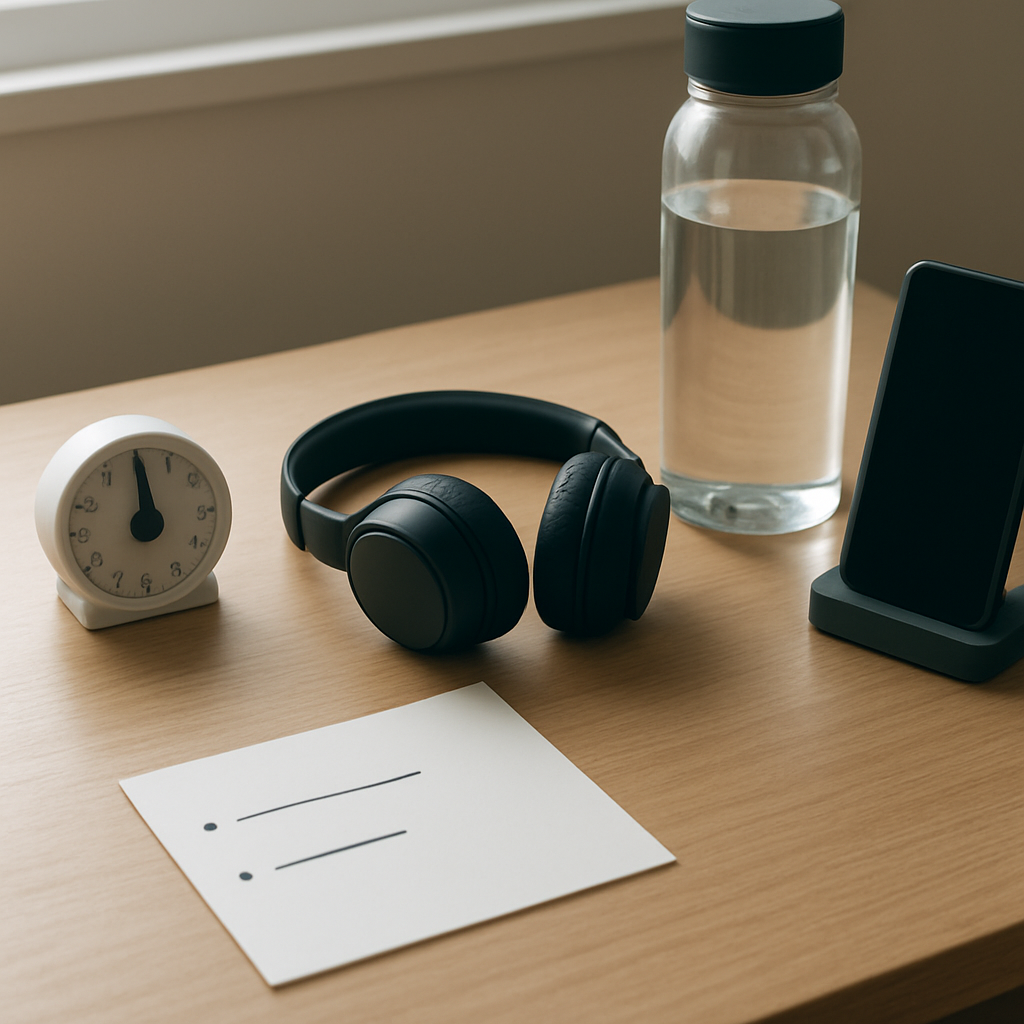
- Can sensory tools help? Yes — fidgets, weighted blankets, or headphones can improve concentration for short bursts, but they are a complement, not a core solution.
- When should I see a clinician? If symptoms significantly impair daily functioning or safety, seek evaluation for possible medication, therapy, or a combined treatment plan.
Practical trade-off: medication gives faster symptom relief; therapy and ADHD coping skills build durable changes. If you need immediate relief for work or school, start with medical evaluation while you set up concurrent skills work.
Concrete Example: A teacher with ADHD uses a two-part morning routine: take prescribed medication, then spend 10 minutes on a two-task plan (two MITs for the day and a single prep action). Within two weeks the teacher reports fewer late starts and a clearer handoff between home and classroom responsibilities.
Judgment most people miss: tactics that feel productive (elaborate schedules, long planning sessions) often fail because they require high executive function to maintain. Prioritize low-friction fixes: defaults, pre-made choices, and external reminders.
- Try this next: build a 10-minute daily prep that includes your top two tasks and one environmental tweak (phone on do not disturb, keys in a dedicated spot).
- Set one low-friction default: create a single go-to method for starting work (5-minute timer + single MIT) and use it for two weeks before adding complexity.
- If functioning is impaired, schedule an evaluation: combine behavioral strategies with professional treatment options rather than relying on one approach alone.