

Thriving at Work: Essential ADHD Accommodations for Professional Success
Introduction
Welcome to the world of ADHD workplace accommodations, where the hustle and bustle of the office meets the unique needs of neurodiverse individuals! If you or someone you know has ADHD, you might be wondering how to navigate the professional landscape without feeling like you’re running a marathon in flip-flops. Fear not! We’re here to explore essential accommodations that can turn your work environment into a thriving hub of productivity and creativity.
ADHD isn’t just a personal challenge; it’s a different way of processing information, which can lead to both amazing strengths and some hurdles in the workplace. Think of it as having a superpower with a few quirky side effects. But with the right reasonable accommodations for ADHD, these side effects can be managed effectively, paving the way for success.
From flexible work arrangements that allow you to harness your peak productivity times to sensory accommodations that create an ADHD-friendly work environment, there are countless ways organizations can support their employees. This isn’t just about complying with legal obligations it’s about fostering an inclusive culture where everyone can shine.
Did you know? Studies have shown that employees with ADHD who receive appropriate support are more likely to excel in their roles and contribute positively to their teams. It’s time we embrace these differences and make workplaces more accommodating!
In this guide, we’ll dive deep into practical strategies for managing ADHD at work, explore communication tactics that enhance collaboration, and highlight essential tools for task management. Whether you’re an employee seeking support or an employer looking to create an inclusive atmosphere, there’s something here for everyone.

So grab your favorite beverage (coffee? tea? maybe a smoothie?), and let’s get started on this journey toward creating a workplace where everyone especially those with ADHD can thrive!
Understanding ADHD in the Workplace
ADHD, or Attention-Deficit/Hyperactivity Disorder, is not just a childhood condition that magically disappears when we grow up. Nope! It often tags along into adulthood, bringing its unique set of challenges and quirks into the workplace. Imagine trying to juggle flaming torches while riding a unicycle that’s what managing ADHD at work can feel like for many individuals.
For those with ADHD, staying focused can be akin to trying to catch smoke with your bare hands. Distractions are everywhere! Whether it’s the hum of office chatter, the glare of fluorescent lights, or even that pesky notification ping from your phone, maintaining concentration can be tough. This is why understanding ADHD workplace accommodations is crucial for fostering a supportive environment.
Did you know? According to a study published in the Journal of Occupational Health Psychology, employees with ADHD who receive proper support and accommodations can improve their productivity by up to 30%!
The Importance of Workplace Inclusion for ADHD
Inclusion isn’t just a buzzword; it’s essential for creating an effective workforce. When companies embrace workplace inclusion for ADHD, they not only empower neurodiverse employees but also enhance overall team performance. Think about it: diverse teams bring diverse perspectives! It’s like adding different spices to a dish each one enhances the flavor and makes it more interesting.
To foster an ADHD-friendly work environment, employers should consider various reasonable accommodations for ADHD. This could include:
- Flexible work arrangements that allow for remote work or adjusted hours.
- Quiet spaces or designated “focus zones” where distractions are minimized.
- Access to assistive technology that helps with task management and organization.
Creating an atmosphere where employees feel understood and supported is not just good practice; it’s smart business. After all, happy employees are productive employees!
Legal Rights and ADA Compliance
When it comes to navigating the workplace with ADHD, understanding your legal rights is as crucial as knowing the best ADHD productivity tips. The Americans with Disabilities Act (ADA) is your trusty sidekick in this journey, ensuring that you have the support you need to thrive.
Understanding the Americans with Disabilities Act (ADA)
The ADA is a landmark piece of legislation that prohibits discrimination against individuals with disabilities in various areas, including employment. This means that if you have ADHD, your employer must provide reasonable accommodations for ADHD to help you perform your job effectively. Think of it as a protective shield that empowers you to advocate for yourself.
Your Legal Rights as an Employee with ADHD
As an employee with ADHD, you have specific rights under the ADA:
- Right to Disclosure: You are not obligated to disclose your condition unless you’re seeking accommodations.
- Protection from Discrimination: Employers cannot treat you unfavorably due to your ADHD.
- Access to Reasonable Accommodations: You can request adjustments that enable you to perform your job duties effectively.
Employer Obligations for Reasonable Accommodations for ADHD
Your employer has a responsibility to accommodate your needs. But what does “reasonable” mean? Here are some common examples of reasonable accommodations for ADHD:
- Flexible Work Arrangements: Adjusting work hours or allowing remote work can significantly enhance focus strategies for ADHD.
- Sensory Accommodations: Modifications like noise-canceling headphones or quiet workspaces can help reduce distractions in the workplace for ADHD employees.
- Assistive Technology: Tools like task management apps or organizational software can provide vital support in managing tasks effectively.
Key Takeaway: Understanding ADA compliance and your legal rights isn’t just about knowing laws; it’s about empowering yourself and advocating for an ADHD-friendly work environment where you can shine!
Essential ADHD Workplace Accommodations
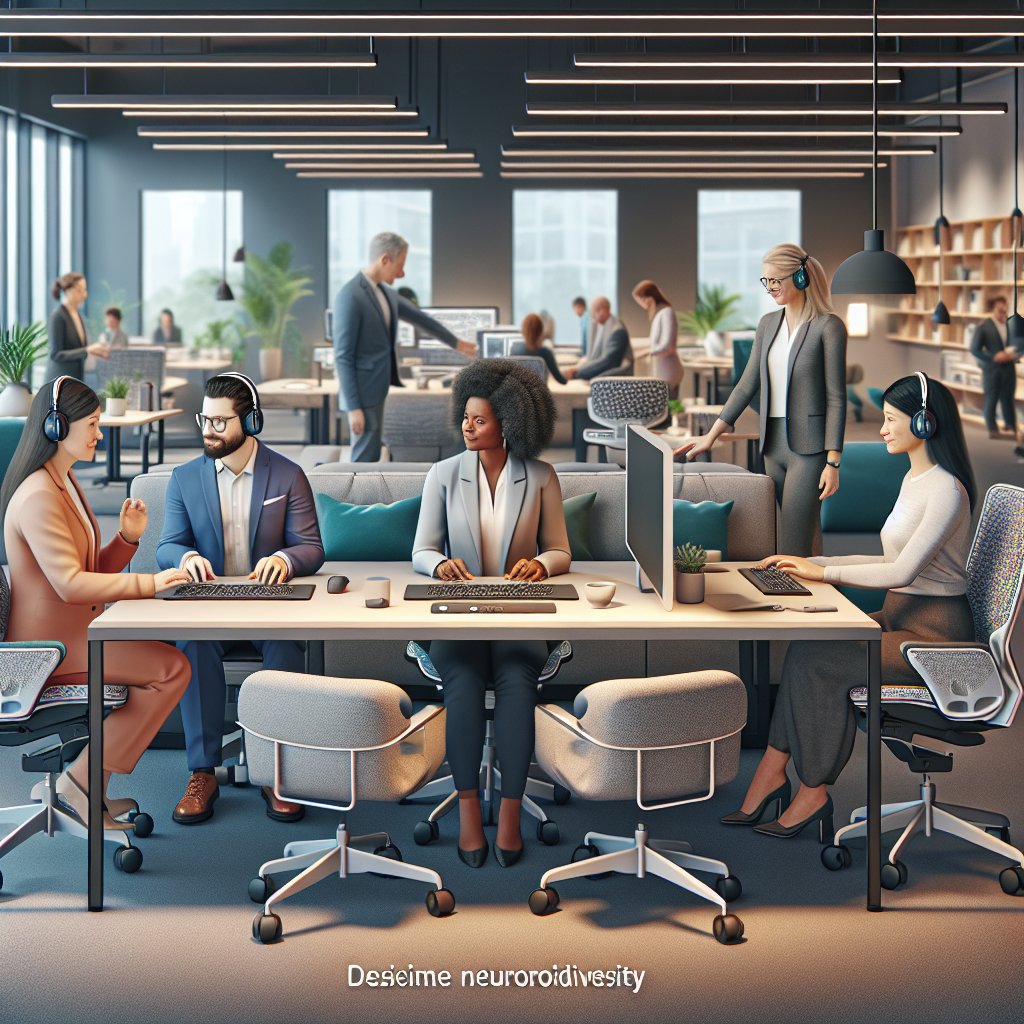
When it comes to ADHD workplace accommodations, the goal is to create an environment where neurodiverse employees can thrive. Think of it as a custom toolkit designed specifically for the unique challenges that come with managing ADHD at work. Here are some essential accommodations that can make a world of difference:
- Flexible Work Arrangements: Whether it’s telecommuting, flexible hours, or a hybrid model, allowing employees to choose when and where they work can significantly enhance their productivity. Imagine being able to work in your pajamas if that helps you focus better!
- Sensory Accommodations: Many individuals with ADHD are sensitive to sensory overload. Providing noise-canceling headphones or quiet spaces can help reduce distractions and create an ADHD-friendly work environment.
- Assistive Technology: Tools like task management apps, reminders, and digital calendars can be game-changers for ADHD employees. These technologies help streamline tasks and improve time management, making it easier to stay on track.
- Workplace Adjustments for Focus: Simple changes like designated quiet zones or adjustable lighting can greatly assist in maintaining focus. Think of it as creating a personal bubble of concentration amidst the chaos.
The beauty of these accommodations lies in their ability to cater to individual needs while promoting overall workplace inclusion for ADHD. It’s not just about compliance; it’s about fostering an environment where everyone has the tools they need to succeed.
Key Takeaway: By implementing these essential ADHD workplace accommodations, organizations not only support their neurodiverse employees but also boost overall productivity and morale. A win-win!
Creating an ADHD-Friendly Work Environment
Creating an ADHD-friendly work environment is like setting up a cozy nest for your brain a place where it can thrive and be productive without the usual distractions. Here are some practical tips to make your workplace more accommodating:
ADHD-Friendly Office Design Tips
The physical space can significantly impact focus and productivity. Here are some design elements to consider:
- Color Schemes: Use calming colors like soft blues or greens to reduce stress and create a serene atmosphere.
- Natural Light: Maximize natural light exposure, as it boosts mood and energy levels. If possible, position desks near windows.
- Quiet Zones: Create designated quiet areas where employees can retreat when they need to concentrate or recharge.
- Flexible Layouts: Allow for adjustable workspaces, such as standing desks or collaborative zones, to cater to different working styles.
Reducing Distractions in the Workplace for ADHD Employees
A cluttered desk can be a cluttered mind. To help minimize distractions:
- Noisy Neighbors: Implement soundproofing measures or provide noise-canceling headphones for those who need them.
- Cull Clutter: Encourage a clean desk policy less clutter means fewer distractions!
- Visual Barriers: Use plants or dividers to create personal spaces that reduce visual chaos.
- Simplified Tech Tools: Streamline software and tools used daily; too many options can lead to decision fatigue.
Organizational Tools for Workers with ADHD
The right tools can make all the difference in managing ADHD at work. Here are some recommendations:
- Digi-Calendars & Reminders: Use digital calendars with reminder alerts to help keep track of tasks and deadlines.
- Trello or Asana: These project management tools can visually organize tasks and prioritize work effectively.
- Pomodoro Technique Apps: Encourage the use of timers that promote focused work sessions followed by short breaks perfect for maintaining concentration!
- Simplified Communication Platforms: Opt for platforms that reduce information overload, making it easier to track conversations and tasks.
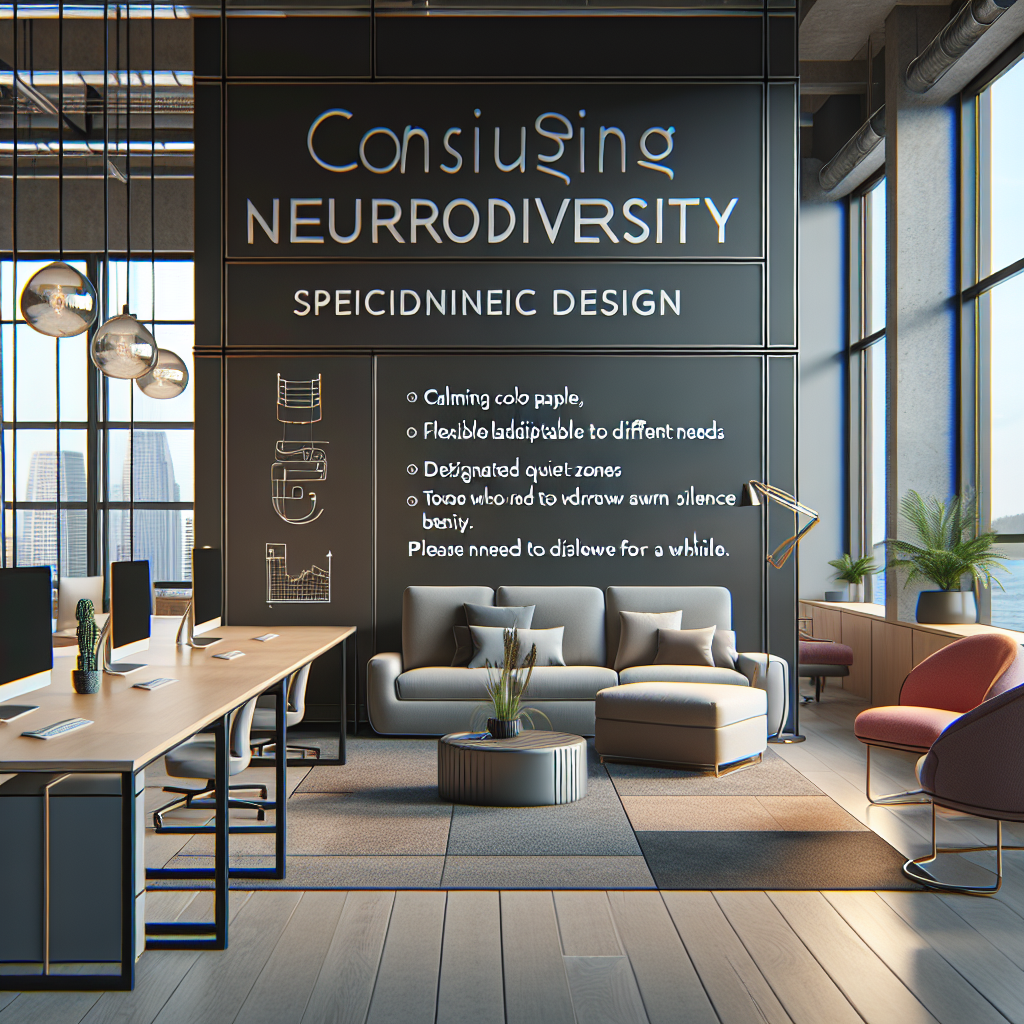
The goal is not just compliance with ADA regulations but creating a culture where everyone feels supported. By implementing these strategies, employers can significantly enhance productivity while making their workplaces more inclusive for all employees especially those with ADHD!
Strategies for Managing ADHD at Work
Managing ADHD at work can sometimes feel like trying to juggle flaming torches while riding a unicycle. But fear not! With the right ADHD workplace accommodations and strategies, you can turn that circus act into a well-oiled machine. Here are some practical tips to help you thrive:
Time Management Tips for ADHD Employees
Time can be as slippery as a bar of soap when you have ADHD. Here are some tricks to keep it from slipping away:
- Use timers: Set a timer for tasks this creates a sense of urgency. The Pomodoro Technique, where you work for 25 minutes and then take a 5-minute break, can be particularly effective.
- Prioritize tasks: Use a simple system like the ABC method: A for urgent tasks, B for important but not urgent, and C for those that can wait.
- Create visual reminders: Sticky notes or digital reminders on your phone can serve as helpful nudges throughout the day.
Focus Strategies for Enhancing Productivity with ADHD
If focus were an Olympic sport, many with ADHD would be in the stands cheering instead of competing. But here’s how to get in the game:
- Create a distraction-free zone: Use noise-canceling headphones or white noise machines to drown out distractions.
- Break tasks into smaller chunks: Large projects can feel overwhelming. Break them down into bite-sized pieces and tackle them one at a time.
- Leverage technology: Tools like Trello or Asana can help keep your tasks organized and visually appealing like candy for your brain!
Stress Management Techniques for Employees with ADHD
A little stress is normal, but too much can make managing ADHD feel like trying to swim upstream. Here are some techniques to keep stress levels manageable:
- Meditation or mindfulness exercises: Just 5-10 minutes of deep breathing or guided meditation can reset your brain’s focus and reduce anxiety.
- Regular physical activity: Exercise releases endorphins, which are natural mood lifters. Even a brisk walk during lunch can work wonders!
- Scheduling downtime: Just like computers need reboots, so do we! Schedule breaks throughout your day to recharge.
Key Takeaway: Implementing these strategies not only helps in managing ADHD but also enhances overall productivity and job satisfaction. Remember, it’s all about finding what works best for you!
Supporting Neurodiverse Employees with ADHD
Creating a workplace that embraces neurodiversity isn’t just a nice-to-have; it’s essential for unlocking the full potential of all employees, especially those with ADHD. Think of it as crafting a secret sauce that makes your team more dynamic, innovative, and productive. Here are some key strategies to ensure that neurodiverse employees feel supported and empowered:
-
The Role of Job Coaching for Adults with ADHD
Job coaching can be a game changer for adults navigating the complexities of the workplace. These coaches provide tailored support, helping individuals develop practical skills in areas like time management and task prioritization. Imagine having a personal trainer, but instead of lifting weights, you’re lifting the weight of deadlines and project management!
-
Communication Strategies for Employees with ADHD and Their Managers
Clear communication is paramount. Managers should foster an open dialogue where employees feel comfortable discussing their needs. This could mean using concise emails or even visual aids during meetings to help clarify tasks. Just like in a game of telephone, clarity is key to avoiding misunderstandings!
-
Employer Resources for Supporting Workers with ADHD Effectively
Employers should invest in resources that promote understanding and support for ADHD in the workplace. This includes training programs for staff on neurodiversity awareness, which can help break down stereotypes and foster empathy among team members. After all, knowledge is power and in this case, it’s also a pathway to inclusion.
-
Flexible Work Arrangements
Flexibility can be crucial for those managing ADHD symptoms. Allowing employees to choose their work hours or providing options for remote work can significantly enhance focus and productivity. Imagine being able to work during your peak hours whether that’s at dawn or dusk without the constraints of a traditional 9-to-5 schedule!
-
Sensory Accommodations
A sensory-friendly environment can make all the difference. Consider providing noise-canceling headphones or creating quiet spaces where employees can retreat when they need to recharge. It’s like having your own personal zen garden amidst the hustle and bustle of office life.

The Future of Workplace Inclusion and Neurodiversity Support
As we gaze into the crystal ball of workplace dynamics, it’s clear that ADHD workplace accommodations are not just a trend they’re becoming a fundamental aspect of modern employment practices. With the rise of neurodiversity awareness, companies are beginning to understand that supporting employees with ADHD is not just about compliance; it’s about cultivating an environment where everyone can thrive.
Imagine a workplace where every employee, regardless of their neurological makeup, feels valued and empowered. This isn’t just wishful thinking it’s the future we’re heading towards! Companies are increasingly adopting flexible work arrangements for ADHD employees, recognizing that traditional 9-to-5 schedules often don’t align with the unique needs of neurodiverse individuals.
Emerging Trends in Neurodiversity Support
- Assistive Technology: The integration of digital tools designed to support ADHD task management is on the rise. From apps that help manage time to virtual assistants that remind employees about deadlines, technology is paving the way for smoother workflows.
- Sensory Accommodations: More workplaces are being designed with sensory considerations in mind. This includes creating quiet zones or providing noise-canceling headphones to help reduce distractions for employees with ADHD.
- Mental Health Awareness: There’s a growing recognition that mental health accommodations at work are crucial. Companies are investing in training programs aimed at helping managers understand how to support neurodiverse employees effectively.
A New Perspective on Inclusion
A common misconception is that accommodating neurodiversity means lowering standards. On the contrary! By implementing reasonable accommodations for ADHD, organizations can tap into a wealth of creativity and innovation. Employees with ADHD often think outside the box and bring unique perspectives to problem-solving.
The World Economic Forum reports that companies embracing neurodiversity have seen a 30% increase in productivity due to enhanced employee satisfaction and engagement.
The Role of Policies and Training
Workplace policies for ADHD should not be an afterthought; they need to be woven into the fabric of company culture. This includes ongoing training for all employees on communication strategies tailored for those with ADHD, ensuring everyone knows how to foster an inclusive environment.
ADHD-friendly office design, such as open spaces combined with quiet areas, can significantly improve focus and creativity among team members. Plus, it sends a strong message: “We value every brain here!”
The future is bright for those advocating workplace inclusion for ADHD. As we continue to challenge outdated norms and embrace flexibility, we pave the way for a more diverse workforce where everyone has the opportunity to shine.
If you’re navigating these waters whether as an employer or an employee remember: support systems are evolving. Stay informed about your rights under ADA compliance and advocate confidently for your needs or those of your team members!
Conclusion
As we wrap up our journey through the world of ADHD workplace accommodations, it’s clear that fostering an ADHD-friendly work environment is not just beneficial for employees with ADHD, but for everyone in the workplace. When we prioritize workplace inclusion for ADHD, we cultivate a culture of understanding, support, and productivity.
Implementing reasonable accommodations for ADHD isn’t just about compliance with the ADA; it’s about creating a space where neurodiversity thrives. Whether it’s through flexible work arrangements, sensory accommodations, or utilizing assistive technology, these adjustments can significantly enhance focus and reduce distractions. After all, who wouldn’t want to work in an environment that maximizes their potential?
Key Takeaway: Supporting neurodiverse employees with ADHD is not merely a legal requirement it’s an investment in your team’s overall success.
As employers and coworkers, we can all play a role in this transformation. Embrace communication strategies that foster open dialogue about needs and preferences. Encourage the use of organizational tools tailored for workers with ADHD to help them manage tasks effectively. Remember, it’s not just about helping your colleagues survive at work; it’s about enabling them to thrive!
So, whether you’re an employer looking to enhance your workplace policies for ADHD or an employee seeking ways to advocate for yourself remember that the path to success is paved with understanding and support. Let’s continue pushing boundaries and breaking down barriers together!