
Mastering Your Money: ADHD-Friendly Strategies to Control Impulsive Spending
Introduction
Welcome to the wild world of finances, where numbers dance, budgets brawl, and impulsive spending ADHD can lead you down a rabbit hole of retail therapy! If you’ve ever found yourself staring at your bank statement in disbelief wondering how on earth you spent that much on *just one* online shopping spree you’re not alone. Many adults with ADHD face unique challenges when it comes to managing their finances. Spoiler alert: it’s not just about willpower.
In this blog post, we’ll dive deep into ADHD overspending and explore strategies that are not only practical but also tailored specifically for those navigating the complexities of impulsive spending ADHD. From identifying triggers that send your wallet flying to crafting a budget plan that feels less like a chore and more like a game, we’ve got you covered!
But first, let’s set the stage by understanding why managing finances with ADHD can feel like trying to herd cats. Spoiler: it involves a lot of energy and some serious patience!

Understanding ADHD and Impulsive Spending
ADHD, or Attention-Deficit/Hyperactivity Disorder, is more than just a buzzword thrown around in casual conversations. It’s a neurodevelopmental disorder that can significantly impact various aspects of life, including financial management. For many individuals with ADHD, impulsive spending becomes a sneaky little gremlin that wreaks havoc on their budgets.
So, what’s the deal with ADHD overspending? Well, it all boils down to impulsivity. This trait is a hallmark of ADHD and can lead to spontaneous buying decisions that often feel thrilling in the moment but can result in buyer’s remorse later on. Imagine seeing the latest gadget or trendy shoes and feeling an irresistible urge to buy them without considering whether you really need them or if they fit into your budget.
Did you know that individuals with ADHD are more likely to experience financial instability compared to those without? This is often due to their impulsive spending habits, which can lead to chronic debt issues.
The Link Between Impulsivity and Overspending
Impulsivity in individuals with ADHD isn’t just about making hasty decisions; it extends into the realm of shopping habits. When faced with the temptation of a sale or an advertisement that sparks joy (thanks, Marie Kondo!), the impulse to buy can overshadow rational thinking. This is what we call “impulse buying ADHD.”
Emotional Spending and Retail Therapy
Now let’s talk about another player on this field: emotional spending. For many people with ADHD, shopping can serve as a form of retail therapy a way to cope with emotions ranging from stress to boredom. You might find yourself browsing online shops late at night or wandering through stores after a tough day at work, seeking comfort in new purchases.
This emotional connection to spending can make it even harder to manage finances effectively. The thrill of buying something new often overrides any thoughts about long-term financial goals or budgeting strategies. So how do we tackle this conundrum? Understanding these behaviors is the first step toward controlling spending with ADHD.
Common Misconceptions
A common misconception is that impulsive spenders simply lack discipline. In reality, managing finances with ADHD requires tailored strategies that acknowledge these unique challenges rather than relying on traditional financial advice that may not resonate.
By recognizing the link between impulsivity and overspending, individuals can start developing healthier financial habits tailored specifically for their needs.
Identifying Triggers for Overspending with ADHD
When it comes to ADHD overspending, identifying your triggers is like finding the secret sauce to a tasty recipe. Without it, you might end up with a bland dish or in this case, an empty wallet! Let’s dive into the common culprits that can lead to impulsive spending.
Common Triggers for Impulsive Buying
- Emotional States: Feeling down? A little retail therapy might seem appealing. But beware! Emotional spending can quickly spiral out of control.
- Advertising Overload: Those flashy ads are designed to catch your eye and tug at your heartstrings. Recognize when you’re being lured in by marketing magic.
- Social Pressure: Ever felt the urge to keep up with friends who seem to have it all? This can lead to unnecessary purchases that don’t align with your financial goals.
- Boredom: Shopping can be an entertaining distraction when you’re feeling restless. But remember, boredom doesn’t justify emptying your bank account!
The Role of Emotional States in Spending Habits
Your emotions can be a double-edged sword when it comes to managing finances with ADHD. For many, the thrill of buying something new can temporarily lift spirits, but this often leads to regret later on. Understanding this link between emotional states and spending habits is crucial for developing effective budgeting tips for ADHD.
Key Takeaway: Keep a journal of your spending habits alongside your emotional state. This will help you identify patterns and avoid impulsive buying triggered by emotions.
Avoiding Overspending Triggers in Daily Life
The best offense is a good defense! Here are some strategies for avoiding those pesky overspending triggers:
- Create a Shopping List: Stick to it like glue! This helps keep impulse buying ADHD at bay.
- Avoid Temptation Zones: If you know certain stores or websites trigger impulsive purchases, steer clear!
- Set Spending Limits: Establish clear boundaries for how much you’re willing to spend on non-essentials each month.
- Practice Mindfulness: Before making a purchase, ask yourself if it’s truly necessary or just a fleeting desire.
This awareness will arm you against the economic impact of ADHD overspending and help build healthier financial habits over time. So next time you’re tempted to splurge, take a moment to reflect on what triggered that urge!

ADHD-Friendly Financial Management Strategies
Managing finances can feel like trying to juggle flaming swords while riding a unicycle for adults with ADHD. The struggle is real, but fear not! With the right strategies, you can turn that chaos into a well-choreographed financial dance.
Budgeting Tips Tailored for Adults with ADHD
Creating a budget doesn’t have to be a chore. Here are some ADHD-friendly budgeting tips:
- Visual Budgets: Use colorful charts or apps that show your budget visually. It makes tracking your spending feel less like math homework and more like playing a game.
- Set Up Automatic Payments: Automate bills and savings to minimize decision fatigue. This way, you avoid the temptation of impulse buying ADHD often brings when you see extra cash in your account.
- Use the 50/30/20 Rule: Allocate 50% of your income to needs, 30% to wants, and 20% to savings. This clear framework helps in controlling spending with ADHD.
Setting Up a Realistic Budget Plan for Managing Finances with ADHD
Your budget should fit like your favorite pair of jeans comfortable and flexible! Here’s how to create one:
- Simplify Categories: Instead of overcomplicating things, keep categories broad (e.g., “Food” instead of “Groceries” and “Dining Out”).
- Monthly Check-Ins: Schedule monthly meetings with yourself (or a financial buddy) to review and adjust your budget as needed.
- Reward Yourself: Set small rewards for sticking to your budget. Maybe treat yourself to that fancy coffee after a successful month!
Savings Strategies That Work for Impulsive Spenders
Savings can be tricky when you’re prone to impulsive spending ADHD. Here are some strategies that might help:
- Create Separate Savings Accounts: Have distinct accounts for different goals (emergency fund, vacation, etc.). It’s like having separate jars for cookies out of sight, out of mind!
- The ‘No Spend’ Challenge: Try doing a no-spend month where you only buy essentials. This helps reset those spending habits ADHD individuals often struggle with.
- Cash-Only Days: Designate certain days where you only use cash for purchases. Once it’s gone, it’s gone no swiping allowed!
Tools and Resources for Managing Finances with ADHD
When it comes to ADHD overspending, having the right tools and resources can be a game changer. Think of them as your financial sidekicks, ready to swoop in and save the day when impulsive spending ADHD rears its head. Here are some must-have tools and resources to help you manage your finances effectively:
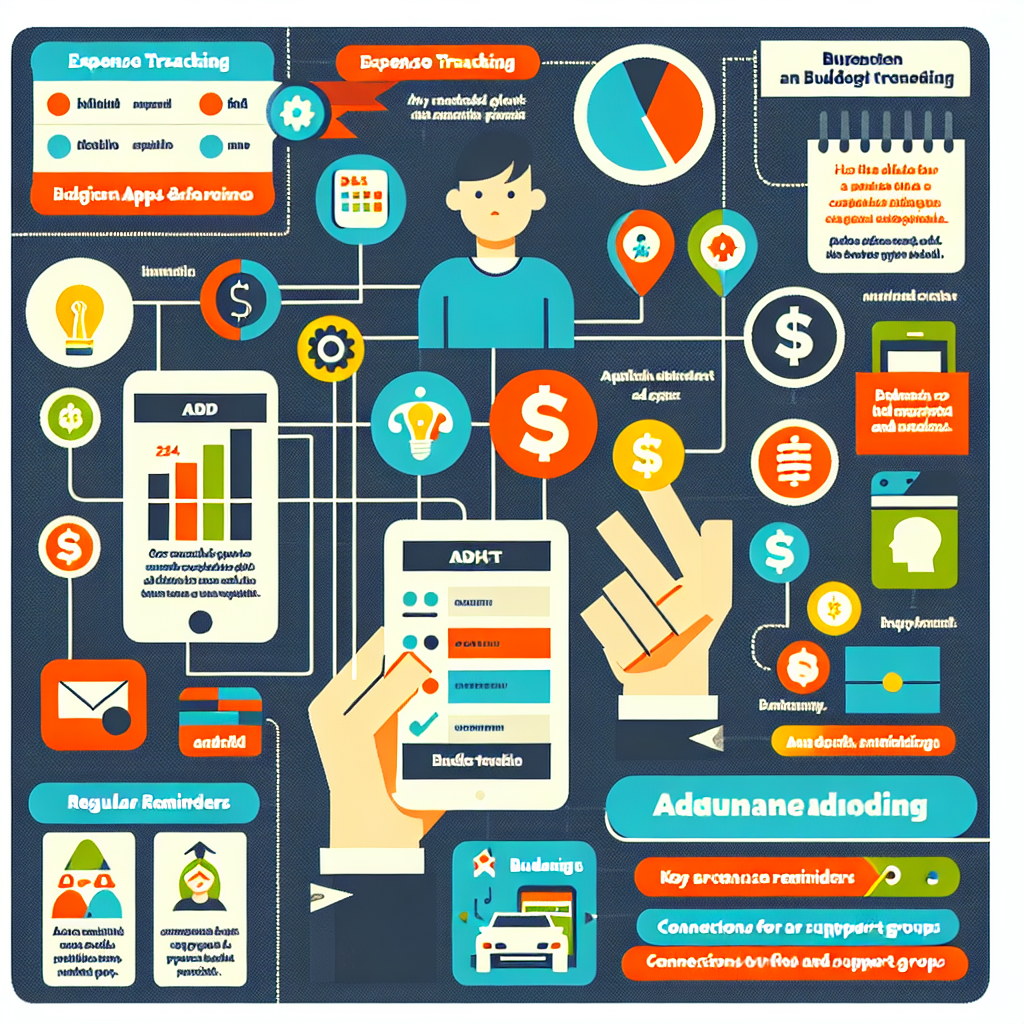
- Budgeting Apps: There are a plethora of apps designed specifically for those who struggle with financial management ADHD. Apps like YNAB (You Need A Budget), Mint, and EveryDollar can help you set up budgets, track expenses, and keep an eye on your spending habits. They often come with reminders that can be lifesavers when you’re tempted by impulse buying ADHD.
- Financial Tracking Tools: Tools like Pocketsmith and GoodBudget allow you to see where every penny goes. Visualizing your spending can curb those sneaky overspending habits. Plus, many of these tools offer features that send alerts when you’re nearing your budget limits perfect for managing impulsivity in spending!
- Support Groups: Connecting with others who share similar financial challenges can be incredibly beneficial. Support groups for financial issues in people with ADHD provide a safe space to share experiences, tips, and strategies for controlling spending with ADHD. Check out local or online groups where you can discuss budgeting tips for ADHD or even swap stories about retail therapy gone wrong.
- Therapy Options: Don’t underestimate the power of professional help! Therapy focused on financial management for adults with ADD/ADHD can provide personalized strategies tailored to your unique challenges. Cognitive Behavioral Therapy (CBT) is particularly effective in addressing emotional spending with ADHD and developing healthier shopping habits.
- Online Resources: Websites like CHADD (Children and Adults with Attention-Deficit/Hyperactivity Disorder) offer a wealth of information on managing finances with ADHD, including articles, webinars, and forums where you can ask questions and get advice from experts.
Did you know? Research shows that individuals with ADHD are more likely to experience economic challenges due to impulsive spending habits. Utilizing the right tools can significantly improve financial discipline ADHD individuals face.
The road to financial stability doesn’t have to be a lonely one! By leveraging these resources, you’ll not only gain control over your finances but also build confidence in your ability to manage impulsivity effectively.
Debt Management Strategies for Individuals with ADHD
Managing debt can feel like a game of whack-a-mole for individuals with ADHD. Just when you think you’ve got one financial issue under control, another pops up! But fear not, fellow money wranglers, because there are strategies that can help you tackle ADHD overspending and keep your finances in check.
Understanding Credit Card Debt
Credit card debt can be particularly tricky for those with ADHD. The instant gratification of swipe-and-go shopping often leads to a pile of bills that can feel insurmountable. It’s essential to recognize how this impulsive spending impacts your financial health:
- High-interest rates: Credit cards often come with steep interest rates that can make even small purchases balloon into massive debts.
- Minimum payments trap: Paying just the minimum keeps you in a cycle of debt longer than a bad Netflix series.
- Emotional weight: The stress of debt can exacerbate symptoms of ADHD, creating a vicious cycle.
Tips for Managing Debt Effectively
Now that we know the pitfalls, let’s explore some practical tips to manage debt while dealing with impulsivity:
- Create a visual budget: Use colorful charts or apps that visually represent your spending and savings. Seeing it laid out can help curb impulsive decisions!
- The snowball method: Focus on paying off the smallest debts first while making minimum payments on larger ones. It’s like leveling up in a video game small wins lead to bigger victories!
- Avoid temptation: Consider cutting up credit cards or using cash for daily expenses. This makes it harder to overspend on impulse buys.
- Savings account buffer: Establish an emergency fund that covers at least three months of expenses. This buffer can reduce the need for credit during unexpected situations.
The Economic Impact of ADHD Overspending
The economic impact of ADHD overspending isn’t just about personal finances; it also affects overall well-being. Research shows that individuals with ADHD often face higher rates of financial distress compared to their peers without ADHD. This distress can lead to:
- Increased stress levels: Financial strain is linked to anxiety and depression, which may exacerbate symptoms of ADHD.
- Relationship strain: Money troubles are a leading cause of conflict in relationships especially when one partner has impulsive spending habits.
- Career setbacks: Financial instability can hinder job performance and career advancement opportunities.
Cultivating Financial Discipline and Healthy Spending Habits
When it comes to ADHD overspending, cultivating financial discipline is like training for a marathon. You don’t just wake up one day and run 26.2 miles; you start small, build your stamina, and develop healthy habits along the way. The same goes for managing your finances when impulsive spending ADHD rears its head.
Key Takeaway: Financial discipline is essential for overcoming the unique money challenges faced by individuals with ADHD.
Understanding Financial Discipline
Financial discipline refers to the ability to control spending and make wise financial decisions over time. For those dealing with impulsive spending ADHD, this can be particularly challenging, but it’s not impossible! Here are some strategies to help you strengthen your financial muscles:
- Create a Budget: A budget isn’t just a set of numbers; it’s your financial game plan. Start by tracking all your income and expenses. This will give you insight into where your money goes, making it easier to identify areas to cut back.
- Set Clear Goals: Whether it’s saving for a vacation or paying off debt, having specific goals gives you something tangible to work toward. Break these goals down into smaller milestones, so they feel less overwhelming.
- Limit Impulse Purchases: Before making a purchase, ask yourself if it aligns with your financial goals. Implement a 24-hour rule: wait a day before buying something non-essential. You might find that desire fades!
Developing Healthy Shopping Habits
Shopping can be a fun pastime, but when it turns into impulse buying ADHD mode, things can get out of hand quickly! Here’s how to develop healthier shopping habits:
- Create a Shopping List: Stick to it like glue! Having a list helps prevent spontaneous purchases that aren’t aligned with your needs or budget.
- Avoid Shopping Triggers: If certain stores or websites make you feel like you’re on an emotional rollercoaster of spending, steer clear! Recognize these triggers and plan accordingly.
- Practice Mindfulness: Before heading out or clicking “buy,” take a moment to check in with yourself. Are you shopping out of boredom or stress? Understanding the emotional drivers behind your spending can help curb unnecessary expenses.
The Role of Self-Awareness
Your brain is wired differently if you’re navigating life with ADHD. Embrace that uniqueness! Self-awareness is key in managing finances effectively:
- Acknowledge Your Patterns: Keep track of when and why you tend to overspend. Is it during stressful times? After seeing friends buy new things? Recognizing these patterns allows you to create strategies that work around them.
- Reflect on Your Values: Aligning your spending habits with what truly matters to you can help eliminate unnecessary purchases. Ask yourself: “Is this purchase going to enhance my life?” If not, let it go!
- Seek Support: Don’t hesitate to reach out for help! Support groups for financial issues in people with ADHD can provide valuable insights and encouragement as you work toward better financial management.

Conclusion
Mastering your finances when you have ADHD can feel like trying to catch a greased pig frustrating and slippery! However, with the right strategies in place, you can turn those impulsive spending habits into a more controlled financial approach. By understanding ADHD overspending and its triggers, you’re already on the path to better financial management.
Remember, it’s not just about avoiding impulse buying ADHD tendencies; it’s about creating a sustainable system that works for you. Implementing budgeting tips for ADHD, utilizing apps designed for financial tracking, and seeking support from groups can make a significant difference in managing your money effectively.
- Identify your spending triggers to avoid impulsive purchases.
- Set realistic budgets tailored to your unique ADHD challenges.
- Utilize tools and resources that cater specifically to managing finances with ADHD.
- Engage in therapy or support groups focused on financial management for ADHD individuals.
Financial discipline ADHD is achievable with practice and patience. Start small maybe by tracking one expense at a time and gradually build up your skills. Don’t forget that managing finances with ADHD is not just about restriction; it’s also about celebrating your wins, no matter how small!
If you’re feeling overwhelmed, consider reaching out for professional help. Therapy for financial management in people with adult ADD/ADHD can provide personalized strategies that resonate with your unique experience. After all, understanding the link between impulsivity and overspending is crucial in reshaping your shopping habits.
Your journey towards mastering money doesn’t have to be lonely. You’re not alone in this; many share similar struggles. So take action today start implementing these strategies, join a support group, or consult a financial therapist. Your future self will thank you!