
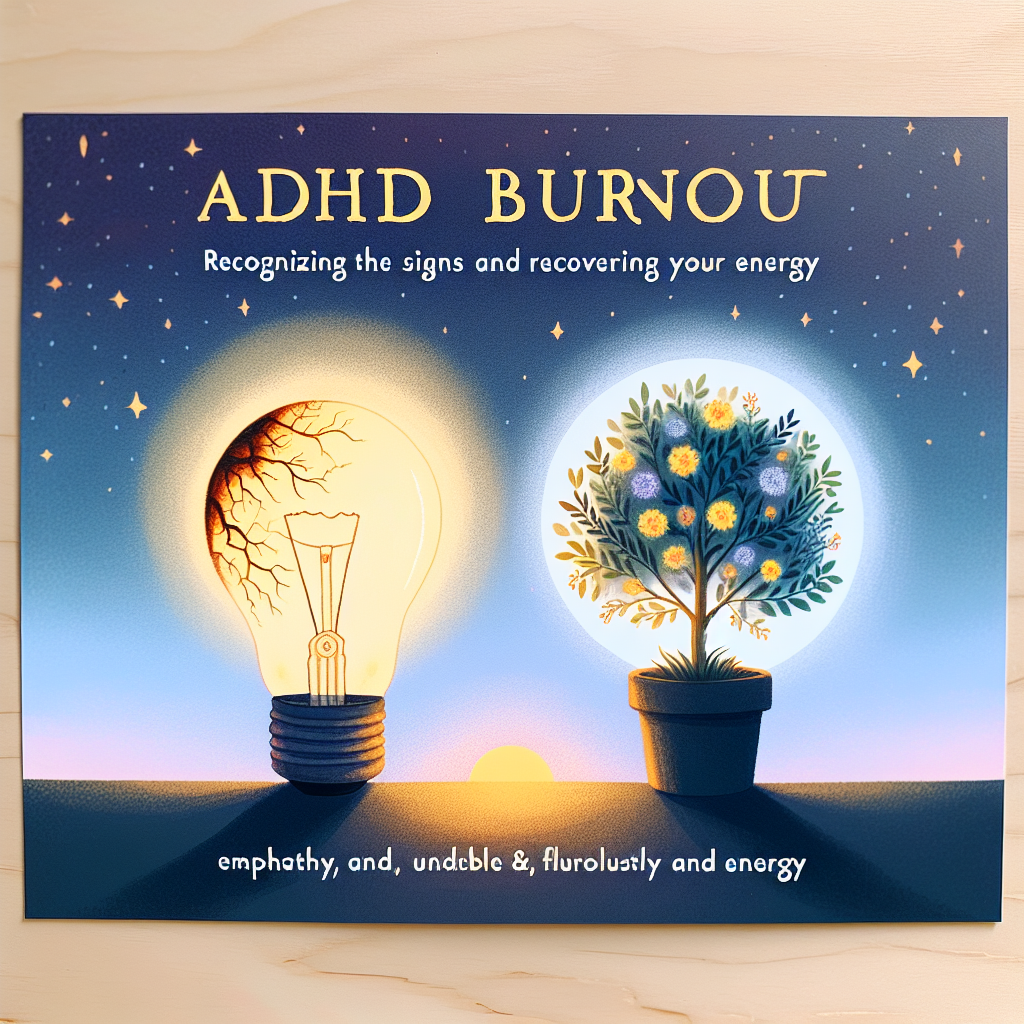
ADHD Burnout: Recognizing the Signs and Recovering Your Energy
If you’re an adult navigating the challenges of ADHD, you may have experienced the overwhelming sensation of ADHD burnout in adults—a state of exhaustion that can feel all-consuming. This blog post will help you identify the signs of burnout, understand its impact on your daily life, and explore effective strategies for recovery. By recognizing these symptoms and implementing practical coping techniques, you can regain your energy and improve your overall well-being. Let’s dive into what ADHD burnout looks like and how to reclaim your vitality!
Understanding ADHD Burnout
ADHD burnout in adults is not just a passing phase; it's a significant state of mental and physical exhaustion that stems from the ongoing challenges of managing adult ADHD. Unlike general burnout, which can affect anyone in high-stress environments, ADHD burnout is specifically linked to the unique demands placed on individuals with this condition.
Differences between General Burnout and ADHD-Specific Burnout
General burnout often arises from prolonged work stress or emotional strain. In contrast, ADHD-specific burnout results from the constant effort required to maintain focus, organize tasks, and manage impulsivity. This chronic strain leads to emotional exhaustion that can feel particularly isolating for adults with ADHD. They may find traditional coping strategies ineffective because their challenges are rooted in neurodiversity rather than just situational stress.
For instance, consider an adult with ADHD who is juggling multiple projects at work while also trying to manage household responsibilities. The effort to stay organized and meet deadlines can lead to overwhelming fatigue. When they finally hit a wall, they might experience not just tiredness but also feelings of hopelessness and frustration—key indicators of ADHD burnout.
Common Misconceptions about ADHD Burnout
A prevalent misconception is that ADHD burnout only affects those who are poorly managing their symptoms. In reality, even those who are actively using coping strategies can face burnout due to the relentless nature of their condition. This misunderstanding often leads to guilt or shame for experiencing fatigue when they are already trying their best.
- ADHD burnout can occur even with effective treatment plans.
- Just push through it is rarely a viable strategy for recovery.
- Taking a break might not address the underlying issues causing fatigue.
Understanding your limits is crucial for managing energy levels effectively.
Recognizing these nuances in how ADHD affects energy management is essential for developing effective self-care strategies. Adults with ADHD must learn to identify their personal signs of burnout early on—such as irritability or difficulty concentrating—to take proactive steps toward recovery.
Recognizing the Signs of ADHD Burnout
ADHD burnout in adults often manifests through a combination of emotional, physical, and cognitive symptoms. Recognizing these signs early can be crucial for effective management and recovery. Emotional exhaustion frequently presents as a pervasive sense of being overwhelmed or drained, which can lead to feelings of inadequacy and frustration. This emotional state is not just temporary fatigue; it can significantly affect one's mood and overall outlook on life.
Emotional Exhaustion and Its Effects
For many adults with ADHD, emotional exhaustion can feel like an endless cycle of stress. They might find themselves experiencing heightened irritability or mood swings that seem disproportionate to the situation at hand. This is not merely a reaction to external pressures but rather a reflection of the internal struggle to manage ADHD symptoms day in and day out. For example, an adult facing constant distractions may react more intensely to minor setbacks because their emotional reserves are already depleted.
Physical Symptoms Like Fatigue and Insomnia
The physical toll of ADHD burnout can be profound. Chronic fatigue is commonly reported, leading individuals to feel physically drained even after a full night’s sleep. Insomnia may also become an issue, as racing thoughts or anxiety can prevent restful sleep. This creates a vicious cycle: poor sleep exacerbates fatigue, which in turn heightens emotional distress and cognitive dysfunction. A real-world example might be an individual who wakes up feeling unrefreshed after sleeping for eight hours due to constant interruptions from their racing mind.
Cognitive Signs Such as Brain Fog and Distractibility
Cognitive symptoms are equally telling when identifying ADHD burnout. Many adults report experiencing brain fog—a state where thinking feels sluggish or unclear—and increased distractibility that makes it hard to complete tasks. This mental fatigue often leads people to underestimate their capacity for productivity, creating further frustration when they struggle to meet expectations at work or home. For instance, someone may sit down with the intention of working on a project but find themselves unable to focus for more than a few minutes before losing track of their thoughts.
- Emotional signs: irritability, mood swings, feelings of hopelessness
- Physical signs: chronic fatigue, insomnia, restlessness
- Cognitive signs: brain fog, distractibility, decreased focus
Recognizing these signs early allows for timely intervention and more effective management strategies.
The Impact of ADHD Burnout on Daily Life
ADHD burnout in adults significantly disrupts daily life, affecting various domains including work performance, relationships, and mental health. The cumulative effect of managing ADHD symptoms can lead to a state where routine tasks feel insurmountable, resulting in decreased productivity and increased stress.
Effects on Work Performance and Productivity
In the workplace, adults experiencing ADHD burnout may struggle to meet deadlines or maintain focus during meetings. This is not merely a question of motivation; it often reflects an underlying energy deficit. For example, an employee might intend to complete a project but find themselves unable to concentrate for extended periods due to overwhelming fatigue. This can lead to missed deadlines and poor performance evaluations, which only exacerbates feelings of inadequacy.
Impact on Relationships and Social Interactions
Social interactions can also suffer when someone is dealing with ADHD burnout. Emotional exhaustion often manifests as irritability or withdrawal from social situations. A person might cancel plans with friends because they lack the energy to engage meaningfully. Over time, this withdrawal can strain relationships, leading friends or family members to feel neglected or unappreciated.
Consequences for Mental Health, Including Anxiety and Depression
The mental health repercussions of ADHD burnout are profound. Chronic stress can heighten anxiety levels and contribute to depressive symptoms. Individuals may find themselves trapped in a cycle where exhaustion leads to anxiety about their performance or social obligations, further deepening their emotional fatigue. For instance, someone who feels overwhelmed by daily tasks may spiral into negative self-talk about their capabilities, reinforcing feelings of hopelessness.
Understanding the multifaceted impact of ADHD burnout is crucial for identifying effective coping strategies.
Strategies for Recovery from ADHD Burnout
Recovering from ADHD burnout requires a multifaceted approach. It's not just about resting; it involves actively restructuring your life to manage energy better and reduce stressors. Implementing effective self-care practices, seeking professional support, and establishing a supportive routine are critical components of this recovery process.
Importance of Self-Care Practices Like Mindfulness and Physical Activity
Self-care is often underestimated in its effectiveness for adults with ADHD. Mindfulness practices help ground you in the present, reducing the overwhelming thoughts that contribute to burnout. Regular physical activity can also serve as a powerful tool to boost mood and energy levels. For instance, a short daily walk can enhance focus and improve emotional regulation throughout the day.
However, it's crucial to recognize that self-care is not a one-size-fits-all solution. What rejuvenates one person may not work for another. Some may find mindfulness beneficial while feeling drained by extensive physical exercise. Individuals should experiment with different practices to identify what truly aids their recovery.
Seeking Therapy to Manage Symptoms Effectively
Therapy can be an invaluable resource in managing ADHD burnout. Engaging with a mental health professional allows for personalized strategies tailored to your unique challenges with adult ADHD fatigue. Cognitive-behavioral therapy (CBT) has shown promise in helping individuals reframe negative thought patterns that contribute to feelings of inadequacy or hopelessness.
It's essential to approach therapy as an ongoing process rather than a quick fix. Many adults underestimate the time commitment necessary for meaningful change; progress may be slow but consistent effort yields significant benefits over time.
Establishing a Supportive Routine with Small Achievable Goals
Small wins are crucial for rebuilding momentum after experiencing ADHD burnout. Setting achievable goals provides immediate satisfaction and fosters a sense of accomplishment that counters feelings of overwhelm. For example, instead of aiming to clean the entire house in one day, breaking it down into manageable tasks—like decluttering one room—can help mitigate stress.
- Daily task lists can help prioritize responsibilities without overloading your schedule.
- Scheduled breaks during work can prevent fatigue by allowing time to recharge.
Consistency is key: small steps lead to significant changes over time.
When to Seek Professional Help
Recognizing when to seek professional help is crucial for adults grappling with ADHD burnout. Many individuals may hesitate, believing they can manage symptoms on their own or feeling overwhelmed by the stigma surrounding mental health support. However, waiting too long can lead to exacerbated symptoms that significantly impair daily functioning.
Signs That Indicate the Need for Therapy
Certain indicators signal that professional intervention is necessary. Persistent feelings of hopelessness, chronic fatigue that doesn’t improve with rest, and a marked decline in work performance are key signs. For instance, if an adult with ADHD finds they are consistently missing deadlines or unable to complete tasks despite their best efforts, this can indicate deeper issues requiring therapeutic support.
Another critical sign is emotional dysregulation. If minor frustrations lead to intense emotional reactions or if social withdrawal becomes a pattern, therapy can provide essential coping strategies and insights into managing these emotional responses effectively.
How Therapy for Adulting Can Assist Adults with ADHD Burnout
Therapy tailored for adults facing ADHD burnout offers structured support and coping mechanisms. Cognitive-behavioral therapy (CBT) often plays a significant role in helping individuals reframe negative thought patterns and develop practical strategies for managing daily stressors associated with adult ADHD fatigue. A therapist can also help clients set realistic goals that align with their energy levels and capacities while providing accountability.
Therapy helps break the cycle of burnout by equipping individuals with tools to manage stress effectively.
Understanding Different Therapeutic Approaches Available
One-size-fits-all approaches rarely yield lasting results in managing ADHD burnout. Various therapeutic modalities—such as mindfulness-based therapy, acceptance and commitment therapy (ACT), and even group therapy—can be beneficial depending on individual circumstances. For example, mindfulness practices help cultivate present-moment awareness, which can reduce anxiety stemming from future uncertainties or past regrets.
'Group therapy provides a sense of community and shared experience that fosters understanding among participants who face similar challenges. This shared connection often alleviates feelings of isolation common in those experiencing burnout.
Real-Life Stories: Overcoming ADHD Burnout
ADHD burnout in adults often feels isolating, but real-life stories can illuminate paths to recovery. One compelling case is that of Sarah, a 34-year-old marketing professional. After years of juggling a demanding job and family responsibilities, she found herself in a state of complete exhaustion. The constant need to manage her focus and impulsivity drained her energy reserves, leading to chronic fatigue and emotional instability.
Case Study: An Adult's Journey Through Burnout to Recovery
Recognizing the signs of burnout was Sarah's first step. She initially dismissed her fatigue as just a part of life, but after noticing how little joy she found in activities she once loved, she sought help. With guidance from a therapist specializing in adult ADHD, she began implementing structured routines and mindfulness practices into her daily life. These changes not only helped her regain focus but also allowed her to manage stress more effectively.
Lessons Learned from Personal Experiences Shared by Clients at Therapy for Adulting
Many clients at Therapy for Adulting have shared similar journeys. They emphasize the importance of acknowledging their limits and the necessity of self-care tailored specifically for their ADHD needs. For instance, one client recounted how setting aside even ten minutes for deep breathing exercises significantly reduced his anxiety levels during work hours. This small act became a crucial part of his daily routine, helping him combat burnout symptoms effectively.
How Community Support Plays a Role in Recovery
'Community support emerged as a vital element in recovery for many individuals dealing with ADHD burnout. Engaging with support groups allowed them to share experiences and coping strategies that resonated deeply with their struggles. One participant noted that hearing others articulate feelings of exhaustion validated her own experiences and motivated her to seek help rather than suffer in silence.
'Recovery isn't just about individual effort; it often requires community engagement.'
These narratives highlight critical insights: recognizing burnout is essential for intervention, tailored self-care practices are necessary for effectiveness, and community connections can provide the validation and motivation needed for recovery.