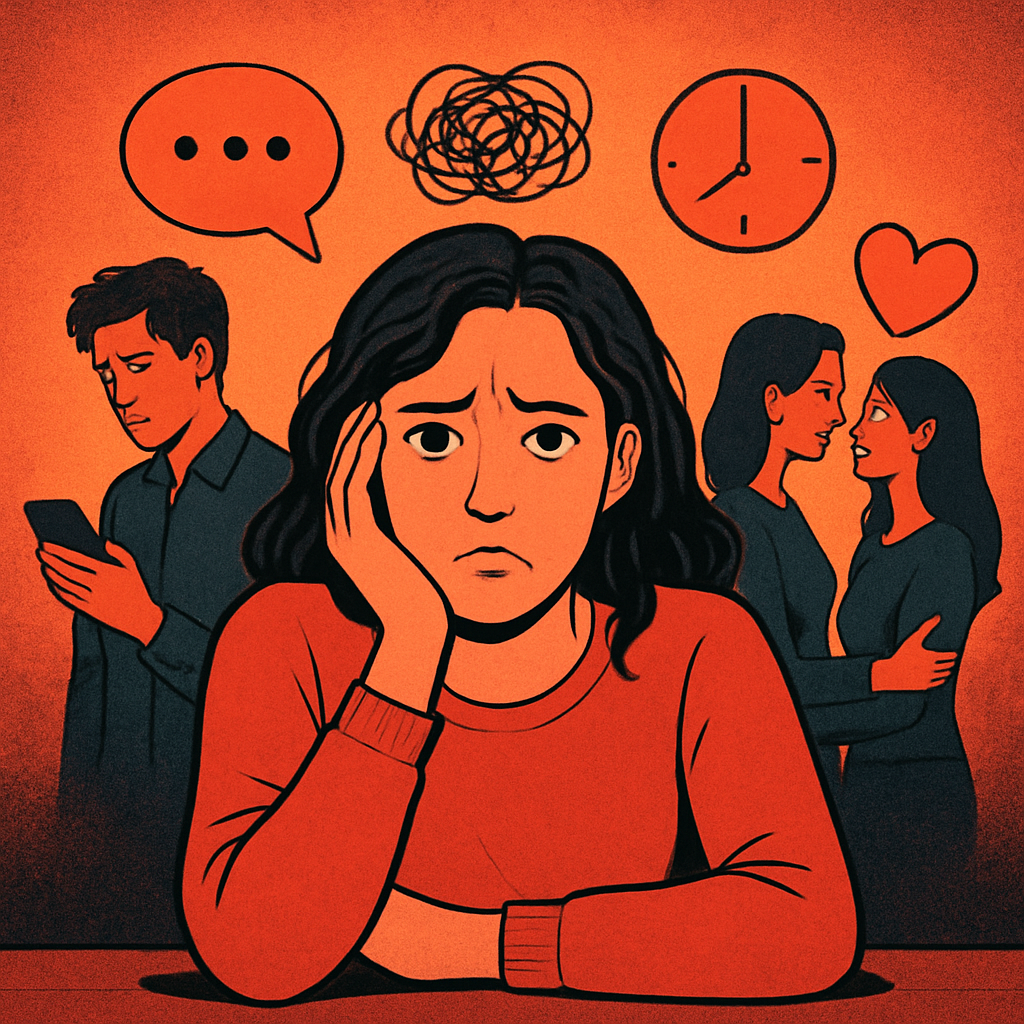

ADHD in Women vs. Men: How Symptoms, Diagnosis, and Therapy Differ
This article examines adhd in women vs men and shows how symptoms, diagnosis, and therapy patterns diverge in real life. You’ll learn why women more often present with inattentive symptoms and emotional dysregulation, while men tend to show hyperactive-impulsive traits, and why that matters for getting timely help. It also outlines practical steps for pursuing evaluation and evidence-based treatment options, plus everyday strategies you can start using today.
ADHD Symptoms Across Genders: What Differs for Women and Men
ADHD in adults shows gendered patterns in symptom presentation that matter for diagnosis and therapy. In practice, you’ll see women more often with inattentive symptoms and emotional dysregulation, while men more commonly display hyperactivity and impulsivity. Recognizing these patterns helps avoid missed or delayed diagnoses and makes coaching and therapy more targeted.
Masking and coping strategies are central for women. Many suppress or compensate for symptoms, which can hide ADHD from clinicians and colleagues and can co-occur with anxiety or mood disorders that complicate the picture.
Case vignettes: Sara, 34, is a project manager who struggles with disorganization but masks it with meticulous planning and long to-do lists; Daniel, 29, is a software engineer who fidgets in meetings and blurts out ideas, often interpreted as enthusiasm rather than impulsivity. These patterns illustrate how the same neurocognitive profile can look very different in daily life and relationships.
Practical insight: when evaluating adults, clinicians must actively inquire about masking, coping strategies, and emotional regulation, not just overt hyperactivity. The diagnostic lens should include collateral history across the lifespan and consider coexisting conditions like anxiety, depression, or sleep problems. For deeper guidance on rejection sensitivity, see Rejection-sensitive dysphoria resource.
- In women: inattentive presentation, emotional dysregulation, higher likelihood of late diagnosis.
- In men: hyperactivity and impulsivity, risk-taking behaviors, earlier presenting complaints.
- Cross-cutting: masking, hormonal influences, and the impact on dating and work.
Takeaway: in practice, expect gender-typical symptom patterns but treat each adult as unique; plan a multimodal approach that accounts for masking, emotional regulation, and practical supports in work and dating.
Diagnosis Pathways and Barriers for Women and Men
Diagnosis pathways for ADHD in adults are not neutral. Gender shapes how symptoms show up and how quickly clinicians raise the question of ADHD. Women are more likely to present with inattentive symptoms and emotional regulation concerns, which clinicians may attribute to anxiety, depression, or burnout, delaying formal evaluation. Men more often display clearer hyperactive-impulsive signs, prompting sooner referrals. The practical consequence: many women live with impairments at work and in relationships for years before a diagnosis, which fractures self-esteem and raises the bar for treatment.
An effective adult assessment must be multi-method and lifespan-focused. Gather a thorough history from childhood to today, secure collateral information from partners or family, and pull school and work records if available. Validated scales help, but they only tell part of the story unless you cross-check with a caregiver or partner who can speak to patterns you may miss in self-report. Because inattentive presentations and mood comorbidities are common in women, clinicians should actively seek past symptoms and functional impact across contexts. For deeper context on how these dynamics complicate diagnosis, see our resources on rejection-sensitive dysphoria and its role in ADHD presentations.
- Collect a full timeline: childhood through today, noting school performance, work history, and major life events.
- Gather collateral information: partner observations, family input, and any prior evaluations or records.
- Document functional domains: work tasks, finances, relationships, and daily routines to show real-life impact.
- Record symptom patterns across context: note inattentive, hyperactive, or combined features and any hormonal influences if relevant.
- Ask for an integrated plan: discuss medication options, psychotherapy or coaching, and practical supports for daily functioning.
- Address barriers and logistics: discuss insurance, access to specialists, and feasible scheduling.
Barriers to timely diagnosis are real and uneven. Stigma around adult ADHD, costs, long wait times, and a shortage of providers trained in adult presentations all contribute to late recognition. In women, masking strategies and the tendency to interpret symptoms as burnout or personality flaws delay help-seeking; in men, visible hyperactivity may trigger faster referrals but can mask underlying executive-function challenges. These dynamics matter because they shape when and how treatment begins.
Case example: Maria, a 38-year-old regional manager, spent years grappling with fatigue, disorganization, and self-criticism. Her husband reported she frequently misses deadlines and misplaces essential documents, but her clinicians attributed her struggles to stress and mood symptoms until a comprehensive evaluation uncovered ADHD, predominantly inattentive. A combined plan of stimulant medication and CBT-focused coaching improved work reliability and dating conversations within a few months.
Takeaway: Start with a structured evaluation that captures history across life and involves someone who knows you well, then pursue a tailored plan that combines medication, therapy, and coaching aligned to gender and life stage.
Therapy and Medication: Tailoring Treatment to Gender and Life Stage
ADHD management in adults must be tailored to where you are in life and to gendered patterns in symptoms. A multimodal plan—combining medication, therapy, and coaching—tends to outperform any single approach. In practice that means a thorough evaluation followed by a thoughtful meds plan and targeted skills work to shore up executive function and emotional regulation. For many adults balancing work, relationships, and dating, pairing medication with CBT or coaching yields more durable, transferable gains.
Evidence-based treatment options
Medication options include stimulant medications (short-acting and extended-release formulations) and non-stimulants like atomoxetine or guanfacine. Stimulants can offer faster relief but may worsen anxiety or sleep issues in some people, so careful monitoring and dose titration are essential. Psychotherapy and coaching complement meds by addressing daily routines, time management, organization, and emotion regulation.
Gender- and life-stage considerations matter. Hormonal fluctuations across the menstrual cycle, pregnancy planning, and menopause can modulate symptom severity, which means some patients need adjustments in timing, dosing, and treatment mix. For women who are pregnant or planning pregnancy, non-stimulants and non-pharmacologic strategies often take on greater importance, and decisions should be made with a clinician who understands ADHD in adults and women's health issues.
Important distinction: treatment effectiveness hinges on coordinated care. Medication alone rarely yields lasting benefits without skills training and ongoing monitoring.
Case vignette: Sophia, a 38-year-old marketing manager, uses a combined approach of a low-dose stimulant and CBT to improve focus at work and confidence in dating. With regular therapy sessions and a structured routine, she reports fewer missed deadlines and more energy for social plans.
Next steps: if you’re considering evaluation, schedule an intake at Therapy for Adulting to craft a personalized plan that fits your gendered experience and life stage. See our guide on how ADHD affects women for context and practical steps the hidden struggles: how ADHD can affect women.
Emotional Regulation, RSD, Relationships, and Dating
Emotional regulation sits at the center of ADHD's real-world impact on relationships and dating. In practice, patterns shift with context, but the core remains: emotions can spike quickly and small slights feel disproportionately large. Women with ADHD often mask distress, which can hide signals in dating, while men may display more impulsive or reactive behaviors that undermine trust.
Understanding Rejection Sensitive Dysphoria (RSD) in relationships
Rejection Sensitive Dysphoria is a common, often misunderstood, driver of relationship stress. It magnifies perceived slights and can derail conversations or dating momentum. A practical approach is to treat RSD as a signal to slow down, validate the feeling, and then move to problem solving with evidence-based strategies. For a deeper look, see Rejection Sensitive Dysphoria in ADHD.
Real-world example: Priya is dating again after a rough patch. She tracks her emotional spikes, uses a pre-date routine to reduce anxiety, and commits to monthly therapy to practice communication scripts. With this support, she can separate a momentary sting from a pattern of behavior, keeping conversations constructive.
- Clarify expectations together: have explicit conversations about communication frequency and how to handle misreads.
- Co-create routines with partners: calendar shared check-ins and agreed signals for when one person needs space.
- Involve a therapist or coach: joint sessions or coaching to build language for tough conversations.
- Adopt a communication protocol: soft starts, concrete statements, and explicit requests rather than vague hints.
On the practical side, dating logistics benefit from structure. Time-management strategies help you show up reliably for dates and commitments without eroding spontaneity; see ADHD time-management strategies.
In relationships, bringing a partner into the process matters. Explain your ADHD-related needs calmly, invite feedback, and consider shared coaching or therapy sessions to build joint coping tools. Involvement reduces misinterpretation and strengthens boundary setting during conflicts.
Key takeaway: RSD amplifies relationship stress, but explicit communication, partner involvement, and ongoing skills work in therapy can dramatically reduce its impact.
Trade-offs and limits: embracing structure can improve reliability but may reduce spontaneity. The work is incremental and most effective with a therapist who can tailor strategies to your life stage and hormonal context when relevant.
Next steps: consider an intake to discuss dating goals, ADHD management, and whether a combined plan of therapy, coaching, and practical skill-building fits your life.
Practical Strategies for Everyday Life and Adulting
In daily life, practical ADHD management for adults hinges on turning insight into action through reliable external structure and focused coping strategies that fit real work, home, and dating. External structure and coping strategies are not optional luxuries; they are the core leverage that separates frequent derailment from everyday competence. For a structured approach, see ADHD time management strategies.
Time management and routines that actually stick
The most durable gains come from assets you can see and touch: a calendar that blocks time, a visible task board, and reminders you notice before you miss the moment. These routines are especially valuable for adults navigating work, household tasks, and dating schedules.
- Time boxing: create fixed blocks for tasks and set a hard end time to prevent spillover.
- Habit stacking: attach a new task to an existing routine so it triggers automatically.
- Visual task boards: use a simple kanban board to move tasks from To Do to Done.
- External reminders: rely on calendar alerts, sticky notes, and device prompts instead of relying on memory.
- Two-minute rule: start any small task for two minutes; momentum reduces resistance.
Concrete use case: Ana, 42, uses a kanban board on her desk and a 25-minute timer to structure mornings. She moves three tasks from To Do to Done before noon and notices fewer stand-still moments between meetings.
Budgeting and financial management
Money management benefits from frictionless systems that reduce decision fatigue without gut-checks that derail you. Set up automation to handle the recurring pieces, then reserve a short weekly window to review what changed. See our broader material on women’s daily struggles to understand the context of lived experience the hidden struggles of ADHD in women.
Practical approach: automatic transfers for savings and bills, a shared budget for household expenses, and a weekly 15-minute expense review. Example: Maria schedules automatic bills, automates a monthly budget category review, and keeps a tight line on discretionary spending through a simple envelope-like method.
Communication and dating
Clear expectations and visible plans reduce friction in relationships. Use a shared calendar for events and a simple check-in protocol to surface needs before they become friction points. This area often intersects with rejection-sensitive dynamics; see our resources on RSD and ADHD Rejection Sensitive Dysphoria and ADHD.
Concrete approach: Priya and her partner schedule a 20-minute weekly planning session where they review upcoming social plans, boundaries, and support needs, then record decisions in a single shared note.
Involve partners or roommates
Accountability works best when tasks are small, concrete, and visible. Create a two-item max list of responsibilities you share, with quick, nonjudgmental check-ins rather than open-ended status requests.
Takeaway: pick one practical strategy to test this week—time boxing, habit stacking, or shared planning—and bring your experience to your intake discussion at Therapy for Adulting.
Getting Help at Therapy for Adulting
Getting help starts with a clear, practical path. At Therapy for Adulting, the focus is on evaluating adult ADHD in a way that informs a real-world plan for work, dating, and daily life. The intake, evaluation, and treatment planning are designed to be concrete rather than theoretical, using evidence-based approaches that align with adult responsibilities. When we talk about adhd in women vs men, we tailor the intake and plan to the patterns we see in each person, not generic protocols. For context on related challenges, see Rejection sensitive dysphoria ADHD, and The hidden struggles: how ADHD can affect women.
What happens in intake
Intake begins with gathering history, current functioning, and goals. We look for ADHD symptoms in daily life, but we also assess mood, sleep, stress, and routines that influence attention. The aim is to map concrete barriers and set goals for the first 90 days, rather than collect data for data's sake.
- Initial screening call or online form to capture primary concerns and safety considerations.
- Formal ADHD evaluation using lifetime history, collateral information, and validated scales.
- Collaborative treatment planning to set goals for work, relationships, and self-esteem, and to decide on medication, CBT coaching, or skills training.
- Regular sessions with a flexible mix of therapy and coaching to build routines and practical skills, with progress reviews every 4–6 weeks.
- Clear timelines and milestones to expect improvements in functioning within 6–12 weeks, with adjustments as needed.
Mina, a 36-year-old marketing manager, began intake last month. After evaluation, her plan combined short-term medication management with CBT coaching to organize her mornings and set boundaries in dating. Within 8 weeks she reported steadier focus at work and clearer communication with potential partners.
One practical trade-off: medication can accelerate benefits but requires ongoing coordination with therapy, while coaching builds routines and coping strategies but may take longer to show impact in demanding weeks. Some clients prefer a lighter touch at first, seeking skills training only, while others pursue a full pharmacological approach.
Takeaway: your first appointment sets the plan in motion; schedule intake to start mapping concrete steps for adulting with ADHD.