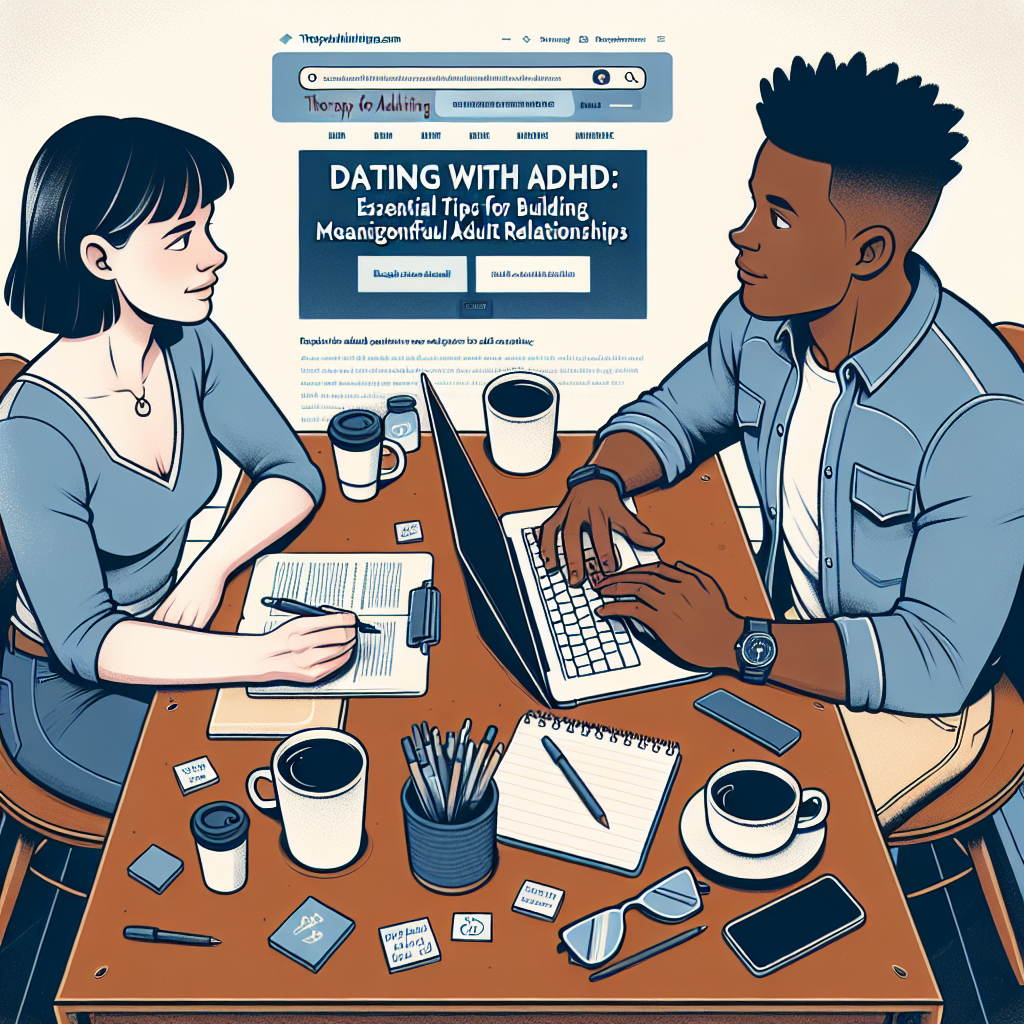

Dating With Undiagnosed ADHD: Why Getting Help Changes Everything
Dating with undiagnosed ADHD can feel like navigating a maze filled with unexpected twists and turns. Many adults struggle to understand how their symptoms impact their relationships, often leading to communication challenges, emotional barriers, and intimacy issues. In this post, we’ll explore the signs of undiagnosed ADHD in dating, share real-life stories, and discuss how seeking help can transform not just your love life but your overall relationship dynamics. Whether you’re dating someone with ADHD or suspect you might have it yourself, there’s hope for building healthier connections.
Understanding Undiagnosed ADHD
Undiagnosed ADHD can manifest in subtle yet significant ways that affect adult relationships. Common symptoms include forgetfulness, difficulty concentrating during conversations, and emotional dysregulation. These traits often lead to misunderstandings and frustration in dating scenarios, where partners may misinterpret behaviors as lack of interest or commitment.
Many individuals with undiagnosed ADHD remain unaware of their condition due to the way symptoms can be normalized or dismissed in everyday life. For instance, someone might chalk up their forgetfulness to being busy or assume their impulsive decisions are just part of their personality. This lack of recognition can prevent them from seeking help, ultimately complicating their romantic relationships.
Common symptoms affecting relationships
Forgetfulness is a key symptom that can lead to significant relationship strain. A partner with undiagnosed ADHD may frequently forget important dates or details discussed during conversations. This behavior can be interpreted by their partner as carelessness or a lack of emotional investment, when in reality it stems from a cognitive challenge.
The role of self-awareness in dating
Self-awareness is crucial for anyone navigating dating with undiagnosed ADHD. Recognizing one’s own patterns of behavior allows individuals to communicate more effectively and set realistic expectations within their relationships. For example, someone who notices they often interrupt during discussions can work on pausing and actively listening, which strengthens communication and builds trust.
Understanding these dynamics is essential for fostering patience and empathy between partners. When one partner acknowledges the challenges posed by undiagnosed ADHD, it paves the way for open dialogues about coping strategies—like using reminders for important events or practicing mindfulness techniques during emotionally charged moments.
The impact of undiagnosed ADHD extends beyond the individual; it affects partners' emotional availability and overall relationship satisfaction.
Impact on Dating Life
Dating with undiagnosed ADHD often involves unique challenges that can strain relationships. Communication is one of the most affected areas, as individuals may struggle to articulate their feelings or respond to their partner's emotional cues. This can lead to misunderstandings where one partner feels neglected or unimportant, while the other is simply overwhelmed by their own internal distractions.
Challenges in communication
People with undiagnosed ADHD might interrupt conversations frequently, not out of rudeness but due to impulsivity or difficulty processing information in real-time. For example, during a discussion about weekend plans, one partner may jump in with unrelated thoughts, leaving the other feeling unheard. This miscommunication is often interpreted as a lack of interest or respect, further complicating relationship dynamics.
Difficulty maintaining attention
Attention issues can manifest as distraction during important discussions or forgetfulness about commitments. A person with undiagnosed ADHD might zone out during conversations, missing critical details that lead to frustration for both parties. For instance, if a partner talks about a personal issue and the other forgets key points later on, it can create feelings of inadequacy and resentment.
Struggles with impulsivity and decision-making
Impulsivity can also affect decision-making within relationships. Individuals may make spur-of-the-moment choices without considering how they impact their partner. For example, deciding last minute to change plans for a night out without consulting the other person could lead to feelings of being sidelined. This behavior often results in partners feeling like they are not part of the decision-making process.
Understanding these challenges is crucial for fostering empathy and patience in relationships affected by undiagnosed ADHD.
Real Stories from Individuals
Many individuals navigating dating with undiagnosed ADHD often face struggles that can feel isolating. For instance, one woman shared how her forgetfulness led to significant misunderstandings in her relationships. She would frequently forget important dates, like anniversaries or even casual plans, which made her partners feel undervalued and unimportant.
Personal anecdotes highlighting relationship struggles
Another individual recounted a moment where impulsivity caused friction in his relationship. He spontaneously decided to take a trip with friends without consulting his partner first. This decision not only led to arguments but also highlighted how his lack of foresight affected their trust and emotional connection.
How undiagnosed ADHD affected their dating experiences
In several cases, individuals discovered that their emotional responses were often perceived as overreactions. One man realized that his heightened frustration during conflicts stemmed from emotional dysregulation linked to undiagnosed ADHD. His partner struggled to understand why he reacted so intensely, leading to feelings of confusion and distance between them.
Moments of realization and turning points
A pivotal moment for many comes when they start recognizing patterns in their behavior linked to ADHD traits. One woman described how therapy helped her connect the dots between her forgetfulness and feelings of inadequacy in relationships. This awareness allowed her to communicate openly about her challenges with partners, fostering a new level of understanding and empathy.
Realizing the impact of undiagnosed ADHD is often the first step toward healthier relationships.
The Transformation Through Therapy
Seeking professional help can be a game changer for individuals dating with undiagnosed ADHD. Therapy provides not only insight into one's behavior but also practical tools to manage symptoms that often complicate relationships. The benefits are manifold, ranging from improved communication to greater emotional regulation.
Benefits of seeking professional help
One of the most significant benefits is the development of self-awareness. Individuals learn to recognize how their ADHD traits manifest in dating situations, allowing them to address issues before they escalate. For instance, someone who realizes they're prone to interrupting during conversations can work on active listening skills, which fosters deeper connections with partners.
Therapy also helps in identifying specific coping strategies tailored to individual needs. This could mean setting reminders for important dates or practicing mindfulness techniques during emotionally charged discussions. By implementing these strategies, individuals can reduce the frustration and misunderstandings that often arise in relationships.
Types of therapy effective for ADHD (CBT, coaching)
Cognitive Behavioral Therapy (CBT) is particularly effective for managing ADHD symptoms. It helps individuals reframe negative thought patterns and develop more constructive behaviors. Coaching is another valuable approach, focusing on practical skills like organization and time management—skills that are crucial in maintaining healthy relationships.
Consider a scenario where a person with undiagnosed ADHD struggles with disorganization. In therapy, they learn techniques to create structured routines that not only enhance their daily productivity but also positively impact their relationship by ensuring that commitments are honored and emotional needs are addressed.
How therapy improves relationship skills
Therapy equips individuals with tools for better communication and emotional regulation—two critical components of any successful relationship. Learning how to articulate feelings and needs reduces the likelihood of misunderstandings. For example, someone who previously might have reacted impulsively during conflicts can learn to pause and express themselves calmly instead.
Improved communication leads to stronger emotional connections between partners.
Ultimately, therapy serves as a bridge between understanding oneself and effectively engaging with others. The transformation it brings is not just personal; it extends into how one navigates love with ADHD.
Building Healthy Relationships
Healthy relationships require effective communication, especially for those dealing with undiagnosed ADHD. Misunderstandings can easily arise when partners are unaware of how ADHD symptoms manifest, leading to frustration and emotional distance. By prioritizing clear communication and understanding each other's triggers, couples can foster a more supportive environment.
Strategies for effective communication
One practical strategy is to establish regular check-ins between partners. These conversations should focus on expressing feelings and discussing any challenges without judgment. For example, a couple might set aside time each week to talk about what’s working in their relationship and what isn’t. This proactive approach allows both partners to voice their needs, reducing the likelihood of miscommunication.
Setting boundaries and understanding triggers
Understanding personal triggers is crucial in managing ADHD's impact on relationships. For instance, someone might notice that they become overwhelmed during large social gatherings, leading to irritability or withdrawal. Recognizing this pattern allows partners to set boundaries—like agreeing to leave a party early—which can prevent conflict and enhance emotional availability.
Practicing patience and empathy with oneself and partners
Patience is vital when navigating the complexities of dating with undiagnosed ADHD. It's common for individuals to feel frustrated by their forgetfulness or impulsivity. Practicing self-compassion can help mitigate these feelings. For example, if one partner forgets an important date, instead of reacting negatively, the other partner might remind them gently while acknowledging that this is part of managing ADHD.
Building trust requires ongoing effort from both partners; open communication is key.
Resources for Further Support
Accessing the right resources can make a significant difference for individuals navigating dating with undiagnosed ADHD. Many people are unaware of how much support is available, which can lead to feelings of isolation and frustration. Books, online communities, and therapy options provide valuable insights and coping strategies that can help improve both self-awareness and relationship dynamics.
Books on ADHD and relationships
Driven to Distraction by Edward M. Hallowell is an essential read for anyone wanting to understand the interplay between ADHD and relationships. It offers practical advice rooted in real-life experiences, making it easier for readers to relate to their struggles. Another notable mention is ADHD: A Complete and Authoritative Guide, which delves into how ADHD affects not just the individual but also their loved ones. Engaging with these texts can provide clarity on common symptoms and strategies for managing them effectively.
Online communities for support
Online platforms such as the Attention Deficit Disorder Association (ADDA) serve as valuable resources for those dealing with ADHD. These communities offer forums where individuals can share experiences, seek advice, and find comfort in knowing they are not alone in their struggles. Participating in discussions about relationship dynamics can foster a sense of belonging while providing practical strategies from others who have faced similar challenges.
Therapy options available through Therapy for Adulting
Engaging with a therapist who specializes in adult ADHD can lead to profound changes in how one navigates relationships. Therapists at Therapy for Adulting focus on building skills that enhance emotional regulation and communication—key components often hindered by undiagnosed ADHD. For example, cognitive behavioral therapy (CBT) helps individuals reframe negative thoughts associated with dating challenges while developing actionable coping mechanisms tailored to their unique situations.
Accessing support resources is crucial for transforming relationship dynamics affected by undiagnosed ADHD.