

Building Better Connections: Social Skills Strategies for Adults with ADHD
Introduction
Welcome to the wild world of ADHD and social skills, where navigating social interactions can feel like trying to solve a Rubik’s Cube blindfolded! For adults with ADHD, understanding the nuances of communication and building connections can be a real challenge. Whether it’s misreading nonverbal cues or struggling to manage impulsive reactions, these hurdles can make socializing feel like an Olympic sport one that often leads to frustration and isolation.
But fear not! Just like any good superhero, you can develop your own set of social skills superpowers. Think of this blog as your trusty sidekick, ready to equip you with strategies for improving social skills with ADHD. From enhancing your communication abilities to tackling those pesky feelings of social anxiety, we’re diving into actionable insights that’ll help you forge meaningful connections.
We’ll explore everything from understanding ADHD’s impact on peer relationships to practical tips for emotional regulation during social situations. And yes, we’ll even sprinkle in some role-playing activities because who doesn’t love a good improv session? So buckle up as we embark on this journey toward building better relationships with ADHD!
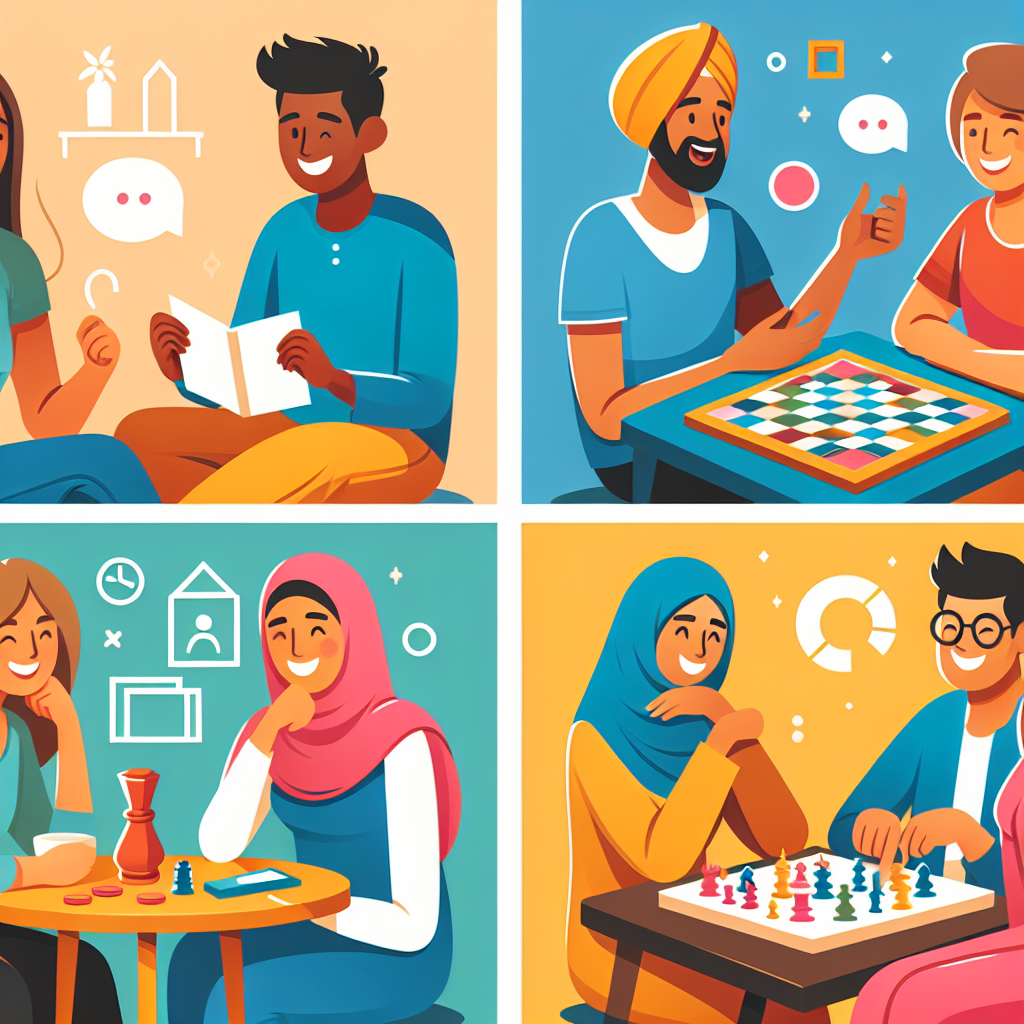
Understanding ADHD and Social Skills
ADHD, or Attention-Deficit/Hyperactivity Disorder, is more than just a label; it’s a unique lens through which many adults view the world. When it comes to ADHD and social skills, this condition can create significant hurdles in social interactions.
Think of social skills as a dance. For some, the rhythm comes naturally; for others, it feels like stepping on toes at every turn. Adults with ADHD often struggle with timing whether it’s interrupting conversations or missing nonverbal cues that signal when to engage or back off.
Key Challenges Faced by Adults with ADHD in Social Interactions:
- Impulsivity: This can lead to interrupting others or blurting out thoughts without filtering them first.
- Difficulty Reading Social Cues: Many adults with ADHD may miss subtle signals like body language or tone shifts.
- Emotional Regulation Issues: Managing feelings in social settings can be tricky, leading to misunderstandings.
- Anxiety in Group Settings: Many adults feel overwhelmed in larger social gatherings, which can further complicate interactions.
A common misconception is that people with ADHD lack interest in socializing. In reality, many genuinely want to connect but find themselves grappling with the nuances of communication. This is where understanding the intersection of ADHD and communication becomes crucial.
The good news? With the right strategies and support, improving social skills with ADHD is entirely achievable! Consider this your roadmap to navigating the sometimes choppy waters of adult friendships and peer relationships.
The Importance of Communication in Building Connections
When it comes to ADHD and social skills, communication is the golden key that unlocks the door to meaningful connections. Think of it like a dance: if you’re stepping on toes or misreading the rhythm, your partner won’t be impressed. In fact, effective communication can be the difference between awkward silences and engaging conversations.
ADHD and Communication Barriers
Adults with ADHD often face unique challenges in communication that can hinder their ability to form strong peer relationships. These barriers can include:
- Impulsivity: Jumping into conversations without fully listening can lead to misunderstandings.
- Difficulty with nonverbal cues: Body language and facial expressions are crucial in social interactions, but they can be tricky for those with ADHD.
- Social anxiety: The fear of being judged or misinterpreted can create a reluctance to engage.
Strategies for Improving Communication Skills
The good news? There are plenty of strategies that can help enhance communication skills for adults navigating the world of ADHD:
- Active Listening: Focus on really hearing what others are saying. This means putting down your phone and making eye contact yes, even when it feels uncomfortable!
- Practice Nonverbal Awareness: Pay attention to your own body language and try to read others’. Are they leaning in or crossing their arms? These cues can help you gauge how your message is being received.
- Role-Playing Activities: Engage in practice scenarios with friends or family. This not only builds confidence but also helps you refine your skills in a safe space.
- Coping Strategies for Impulsivity: Techniques like counting to three before responding or taking a deep breath can help manage impulsive reactions during conversations.

Enhancing Social Interaction Skills
When it comes to ADHD and social skills, enhancing social interaction skills is like finding the cheat codes to a video game. It can transform your experience from frustrating to fabulous! Let’s dive into some practical strategies that can help you level up your social game.
Understanding Social Cues with ADHD
Social cues are the subtle hints that guide our interactions. Think of them as the GPS for navigating conversations. For adults with ADHD, picking up on these cues can sometimes feel like trying to find Wi-Fi in a basement tricky! Here are some tips:
- Practice Makes Perfect: Engage in role-playing activities where you and a friend take turns playing different social scenarios. This can help you become more aware of nonverbal signals.
- Watch and Learn: Observe others in social settings. Pay attention to how they react to different situations, which can give you insight into appropriate responses.
- Ask for Feedback: Don’t hesitate to ask trusted friends or family members for their input on your social interactions. They might point out cues you missed!
Managing Impulsivity in Social Situations
If impulsivity were an Olympic sport, many adults with ADHD would be gold medalists! But fear not; managing this impulsivity is crucial for enhancing social interaction skills. Here’s how:
- Breathe Before You Speak: Take a moment to pause before responding in conversations. Counting to three can help you avoid blurting out something you might regret.
- Set Social Goals: Before entering a social situation, set specific goals, like “I will ask two people about their weekend.” This gives your brain structure and focus.
- Acknowledge Your Triggers: Recognize situations that typically lead to impulsive behavior and develop strategies for those moments. For example, if large crowds overwhelm you, consider smaller gatherings instead.
Improving Listening Skills and Body Language Awareness
A great conversation is like a dance; it requires rhythm and coordination from both partners. Here’s how to improve your listening skills and body language awareness:
- The Power of Eye Contact: Making eye contact shows you’re engaged think of it as the secret sauce of effective communication!
- Nod Along: Simple gestures like nodding while someone speaks can encourage them and help maintain the flow of conversation.
- Simplify Your Focus: Instead of trying to absorb everything at once, concentrate on one aspect of the conversation at a time whether it’s the words being said or the emotions behind them.
Developing Empathy and Emotional Regulation
When it comes to ADHD and social skills, developing empathy and emotional regulation is like finding the secret sauce for building better connections. Imagine trying to bake a cake without sugar it’s just not the same! Empathy helps us understand others’ feelings, while emotional regulation keeps our reactions in check. Together, they can transform our interactions from awkward to awesome.
The Role of Empathy in Friendships and Relationships
Empathy is the ability to put yourself in someone else’s shoes. For adults with ADHD, this can sometimes feel like wearing shoes two sizes too small uncomfortable and constricting! However, enhancing your empathy can lead to stronger friendships and better connections. Here’s how:
- Active Listening: Show genuine interest in what others are saying. Nod, maintain eye contact, and ask follow-up questions. This not only shows you care but also helps you grasp their feelings.
- Reflective Responses: Try paraphrasing what someone has said to confirm your understanding. For instance, “It sounds like you’re feeling overwhelmed.” This technique demonstrates that you are engaged and empathetic.
- Acknowledge Emotions: Validate others’ feelings without judgment. A simple “I can see why you’d feel that way” can go a long way in fostering trust.
Coping Strategies for Emotional Regulation in Social Settings
Now let’s tackle emotional regulation think of it as your emotional thermostat. Keeping it set at a comfortable temperature can help prevent those social meltdowns that often accompany ADHD.
- Breathe Deeply: When emotions run high, take a moment to breathe deeply. Inhale for four counts, hold for four counts, then exhale for four counts. Repeat until you feel cooler than a cucumber!
- Identify Triggers: Keep a journal of situations that provoke strong emotions or impulsive reactions. Understanding what triggers these responses allows you to strategize on how to handle them better next time.
- Practice Mindfulness: Engage in mindfulness exercises like meditation or yoga. These practices increase self-awareness and help maintain emotional balance during social interactions.
Key Takeaway: Developing empathy and mastering emotional regulation are crucial steps toward improving your ADHD and social skills. By actively listening, acknowledging emotions, and using coping strategies, you’ll be well on your way to building lasting relationships!
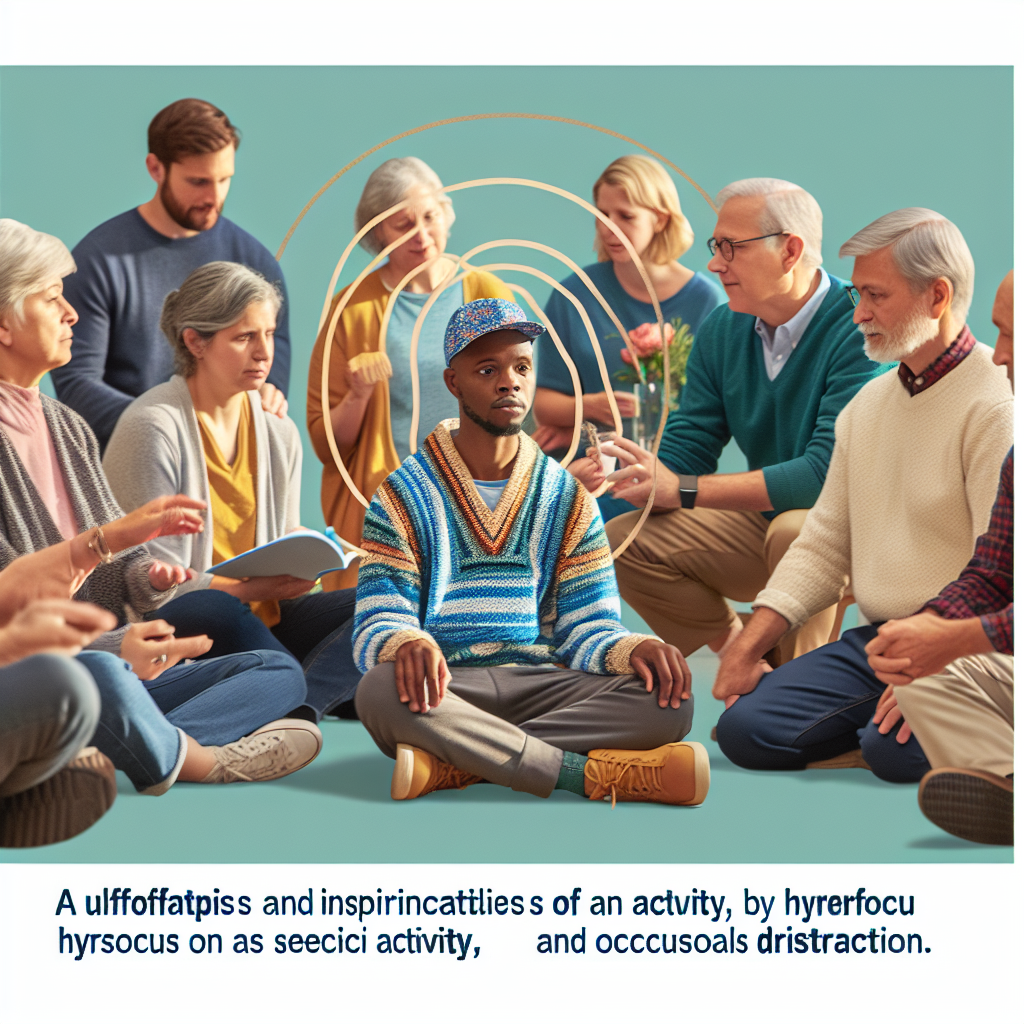
Social Skills Training for Adults with ADHD
When it comes to ADHD and social skills, structured training can be a game changer. Think of it as a gym membership for your social life where instead of lifting weights, you’re lifting the weight of awkwardness off your shoulders.
Here’s the scoop: many adults with ADHD struggle with aspects of ADHD and communication, making social interactions feel like navigating a minefield. But fear not! Social skills training programs are here to help you dodge those mines and build better connections.
Overview of Available Training Programs
There are various training programs designed specifically for adults grappling with ADHD. These programs often include:
- Workshops: Interactive sessions focusing on real-life scenarios.
- Online Courses: Flexible learning that fits into your busy schedule.
- One-on-One Coaching: Tailored support to work on personal challenges.
Role-Playing Activities to Practice Social Scenarios
If you’ve ever felt like you’re auditioning for a role in a play when trying to interact socially, role-playing activities are your backstage pass! These exercises allow you to practice common situations like:
- Starting a conversation at a party
- Navigating small talk in the workplace
- Handling conflict with friends or colleagues
Group Activities to Foster Teamwork and Collaboration Skills
This is where the magic happens! Group activities provide an excellent platform for improving interpersonal skills while having fun. Think team-building games, collaborative projects, or even group discussions that encourage participation. Here’s why they rock:
- Enhancing social competence in ADHD: You learn by doing, which makes it stick!
- Building relationships with ADHD: You bond over shared experiences hello, instant connection!
- Addressing social anxiety in ADHD: The more you practice, the less daunting it becomes!
The journey towards improving your social skills with ADHD is not just about overcoming challenges; it’s about embracing opportunities for growth and connection. So lace up those metaphorical shoes and get ready to step into a world where meaningful interactions await!
Navigating Peer Relationships and Friendships with ADHD
Building friendships as an adult with ADHD can sometimes feel like trying to assemble IKEA furniture without the instructions a bit chaotic and overwhelming. But fear not! With a few strategies up your sleeve, you can navigate these tricky waters and foster meaningful connections.
Tips for Building and Maintaining Friendships
- Be Open About Your ADHD: Sharing your experiences with friends can demystify your behavior. Explain how ADHD affects your social skills, helping them understand any quirks or challenges you might face.
- Schedule Regular Check-ins: Life gets busy, but scheduling regular catch-ups can help maintain those connections. Whether it’s a coffee date or a weekly game night, consistency is key!
- Use Visual Reminders: Set reminders on your phone for important dates like birthdays or anniversaries to show you care. It’s the thought that counts, right?
- Engage in Group Activities: Participating in group activities can ease the pressure of one-on-one interactions. Look for local clubs or classes that interest you it’s easier to bond over shared interests!
Addressing Social Anxiety Related to Peer Interactions
Social anxiety is a common companion for many adults with ADHD. Here are some strategies to help you tackle it head-on:
- Pace Yourself: If large gatherings feel overwhelming, start small. Try attending smaller events where you can gradually build confidence.
- Practice Deep Breathing: Before entering a social situation, take a moment to breathe deeply. This simple technique can calm those racing thoughts and help ground you.
- Have an Exit Strategy: Knowing when and how to exit a conversation can alleviate pressure. A quick “I need to grab some water” gives you an easy out if things get too intense.
- Role-Play Scenarios: Practicing social interactions with a trusted friend or therapist can prepare you for real-life situations and reduce anxiety.

Navigating peer relationships when living with ADHD is about embracing your unique journey while implementing practical strategies that enhance your social skills. With patience and practice, you’ll find that building lasting friendships is not only possible but incredibly rewarding!
Coping Strategies for Social Situations
Social situations can feel like navigating a minefield for adults with ADHD and social skills challenges. But fear not! With some clever coping strategies, you can turn those intimidating gatherings into opportunities for connection and fun.
Managing Anxiety During Social Events
First up, let’s tackle that pesky anxiety. Here are some strategies:
- Preparation is Key: Before heading into a social setting, take a moment to prepare. Think about potential topics of conversation or questions you can ask others. This will help ease the pressure of spontaneous dialogue.
- Breathe and Ground Yourself: If anxiety starts to bubble up, practice deep breathing techniques. Inhale for four counts, hold for four, and exhale for four. It’s like hitting the reset button on your brain!
- Visualize Success: Picture yourself engaging confidently with others. Visualization can be a powerful tool in reducing anxiety and boosting your self-esteem.
Tactics for Overcoming Awkwardness or Isolation
Feeling awkward or isolated in groups? You’re not alone! Here are some tactics to break the ice:
- Start Small: If large gatherings feel overwhelming, try starting with smaller groups where you can engage more easily. Think of it as dipping your toes in before diving into the deep end!
- Use Humor: Laughter is a universal language! Sharing a light-hearted joke or funny story can help ease tension and create bonds.
- Seek Out Allies: Look for friendly faces in the crowd someone who seems approachable or shares common interests can be your social lifeline!
The Power of Active Listening
A key component of effective communication is active listening. Not only does this skill help improve your relationships, but it also shows others that you value their thoughts and feelings:
- Avoid Interrupting: Try to resist the urge to jump in while someone else is speaking. Instead, focus on what they’re saying this shows respect and helps you respond thoughtfully.
- Nod and Use Affirmative Sounds: Simple gestures like nodding or saying “uh-huh” can encourage the speaker while also keeping you engaged in the conversation.
- Synthesize Information: After someone shares something significant, paraphrase what they said to confirm understanding this reinforces connection and shows you’re truly listening!
Conclusion
- Recap of key strategies discussed
- Encouragement to practice skills regularly
< / ul >
< / section >